 ZoomPhoto 1 of 1
NVIDIA
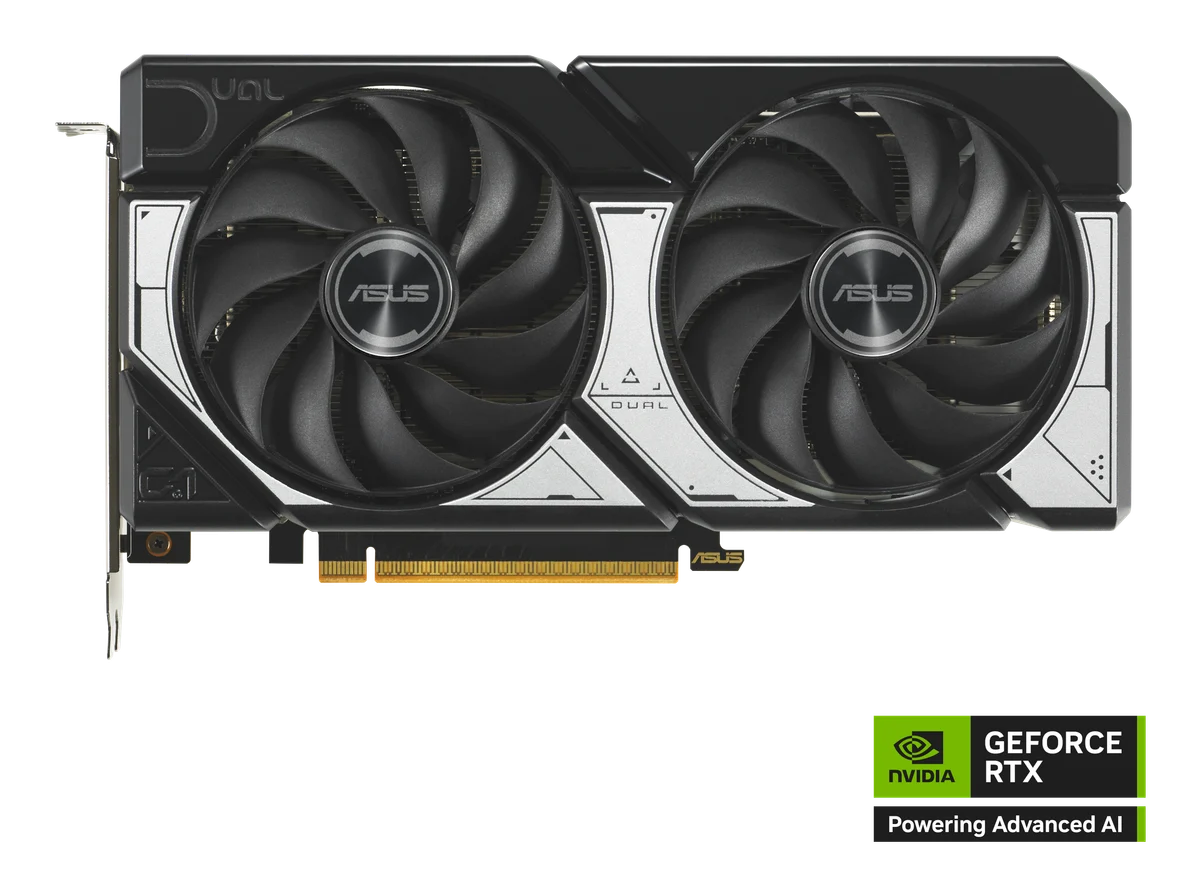
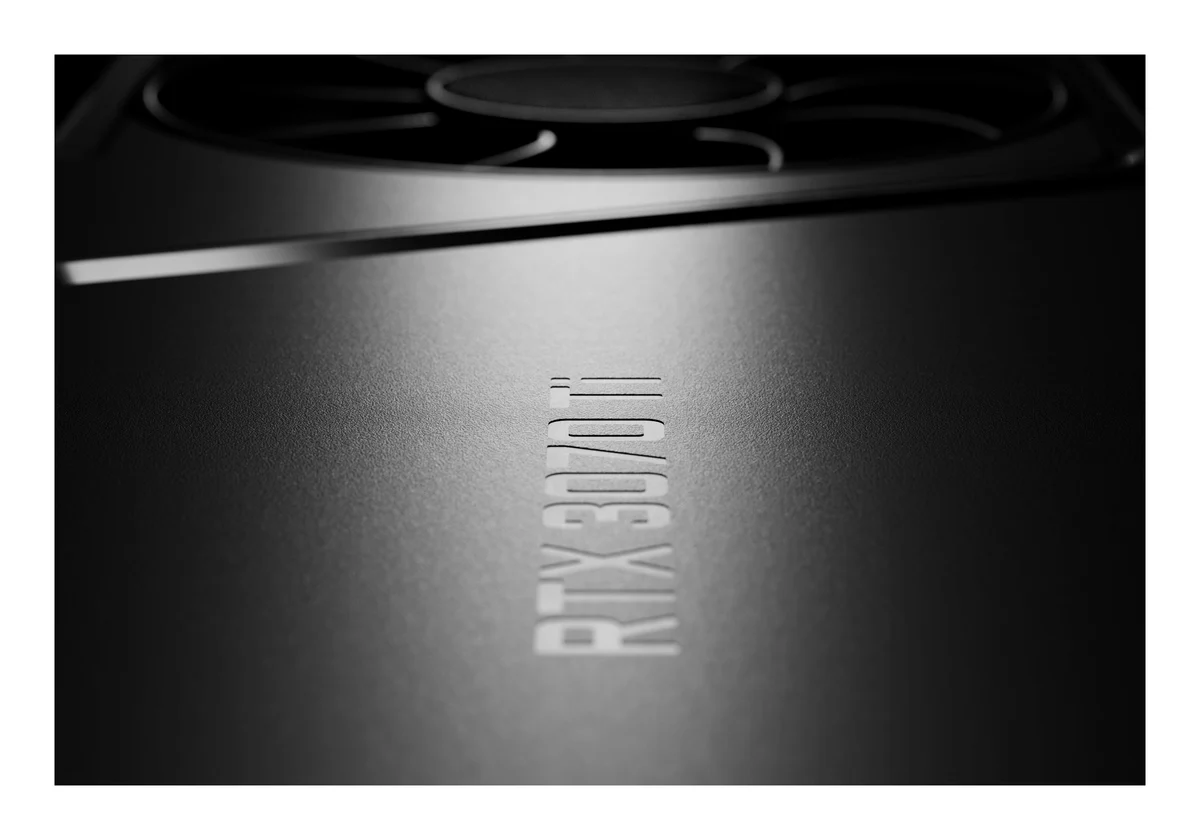
NVIDIA GeForce RTX 3070 Ti
A fully enabled GA104 with 6,144 CUDA cores and GDDR6X pushing 608GB/s, slotted between the RTX 3070 and 3080. The extra bandwidth buys roughly 8-10% over the 3070, but 290W and a still-8GB frame buffer make it the least efficient rung on the Ampere ladder.
Pros
- 608GB/s of GDDR6X bandwidth
- Full GA104 die with 48 RT cores
- Strong 1440p ray-traced performance with DLSS
- Beats the RTX 2080 Ti in most raster tests
Cons
- 290W for a single-digit gain over the RTX 3070
- Still only 8GB of VRAM at $599
- GDDR6X runs hot on many partner designs
Below average
Computed from specs & benchmarks via our public methodology.
Full specifications
Everything we track for the NVIDIA GeForce RTX 3070 Ti
General
- Announced
- 2021
- Architecture
- Ampere
- Process
- 8 nm
- TDP
- 290 W
- Power connector
- 1x 12-pin
Cores & Clocks
- Shading units
- 6,144
- RT cores
- 48
- Tensor / AI cores
- 192
- Base clock
- 1,575 MHz
- Boost clock
- 1,770 MHz
Memory
- VRAM
- 8 GB
- VRAM type
- GDDR6X
- Bus width
- 256 bit
- Bandwidth
- 608 GB/s
Benchmarks
- 3DMark Time Spy
- 14,884Top 35%
- 3DMark Speed Way
- 3,780Top 43%
- PassMark G3D
- 23,164Top 29%
Features
- Upscaling
- DLSS 4 (no FG)
Quick answers
Is the NVIDIA GeForce RTX 3070 Ti good in 2026?
The NVIDIA GeForce RTX 3070 Ti earns an Inno Score of 47.6/100 (“Below average”) based on its specs and benchmark results. A fully enabled GA104 with 6,144 CUDA cores and GDDR6X pushing 608GB/s, slotted between the RTX 3070 and 3080. The extra bandwidth buys roughly 8-10% over the 3070, but 290W and a still-8GB frame buffer make it the least efficient rung on the Ampere ladder.
What are the key specs of the NVIDIA GeForce RTX 3070 Ti?
VRAM: 8 GB · Boost clock: 1,770 MHz · TDP: 290 W · 3DMark Time Spy: 14,884
What are the closest alternatives to the NVIDIA GeForce RTX 3070 Ti?
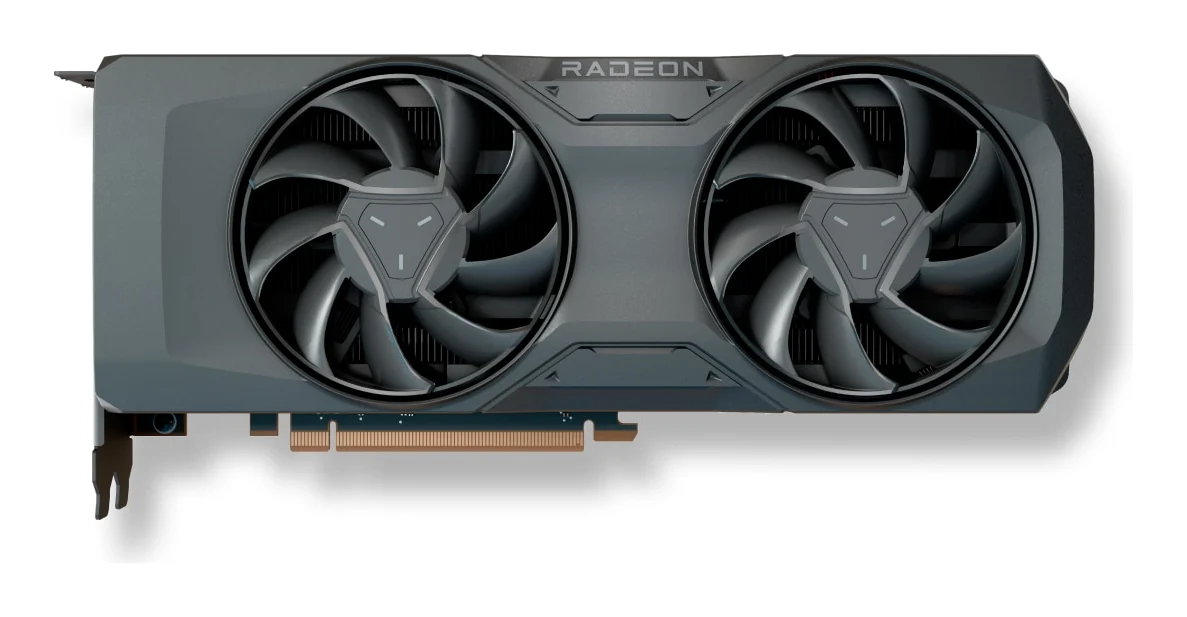
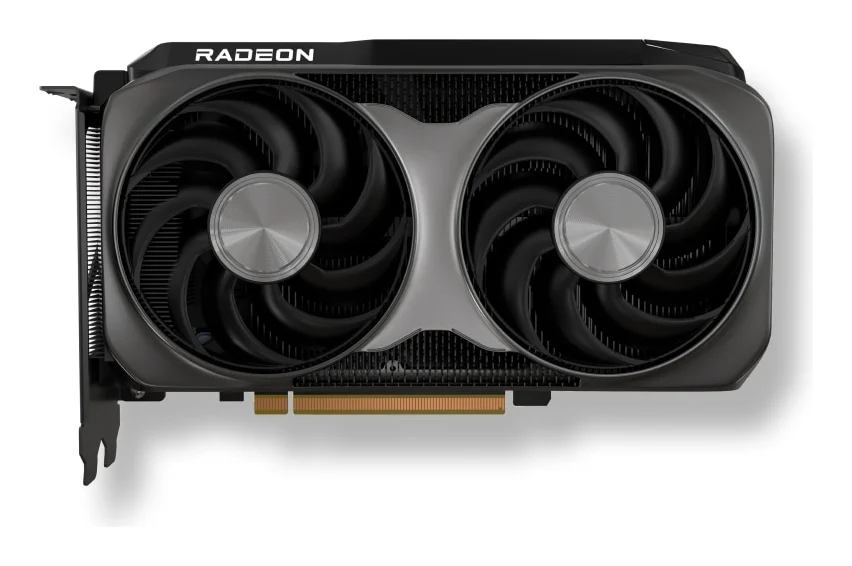
Its closest rivals on InnoReviews are NVIDIA GeForce RTX 5060, NVIDIA RTX A4000, AMD Radeon RX 7700 XT — open the comparison pages for a spec-by-spec breakdown.