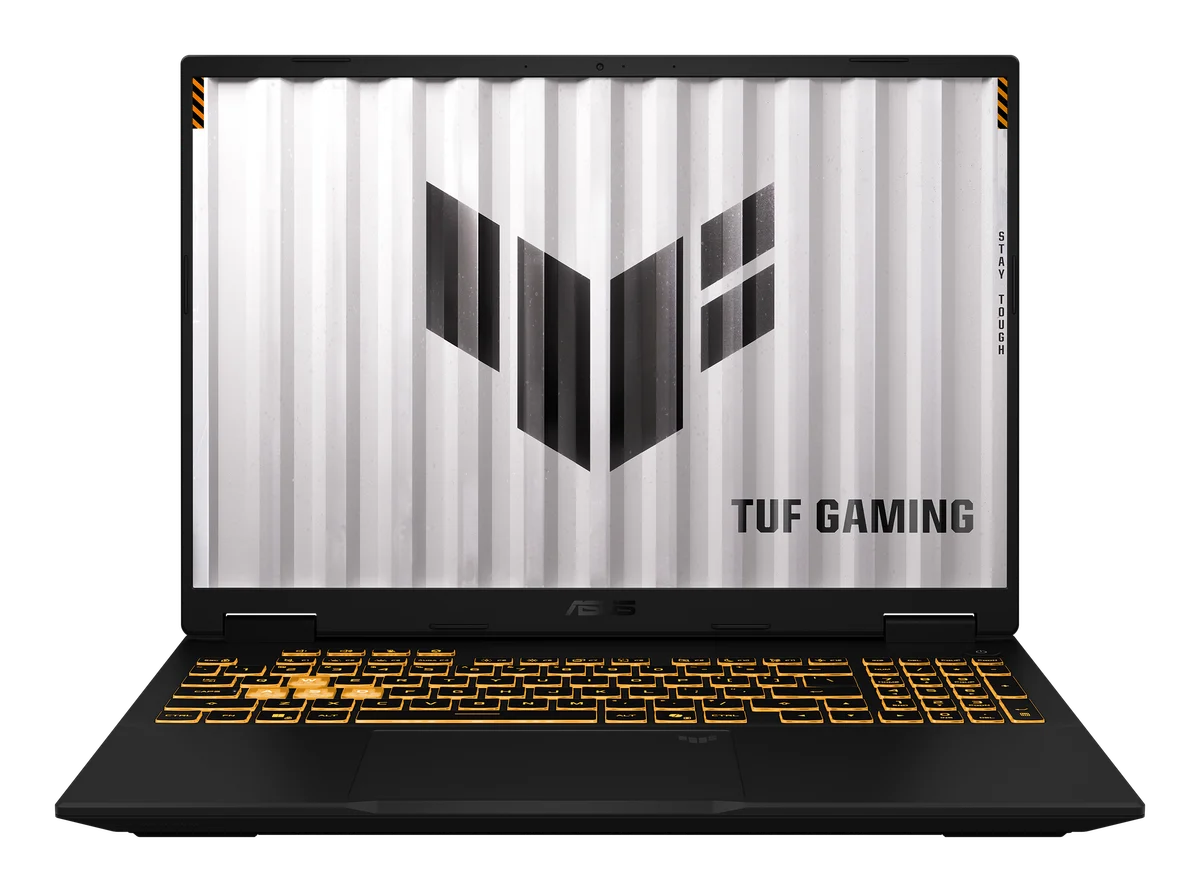
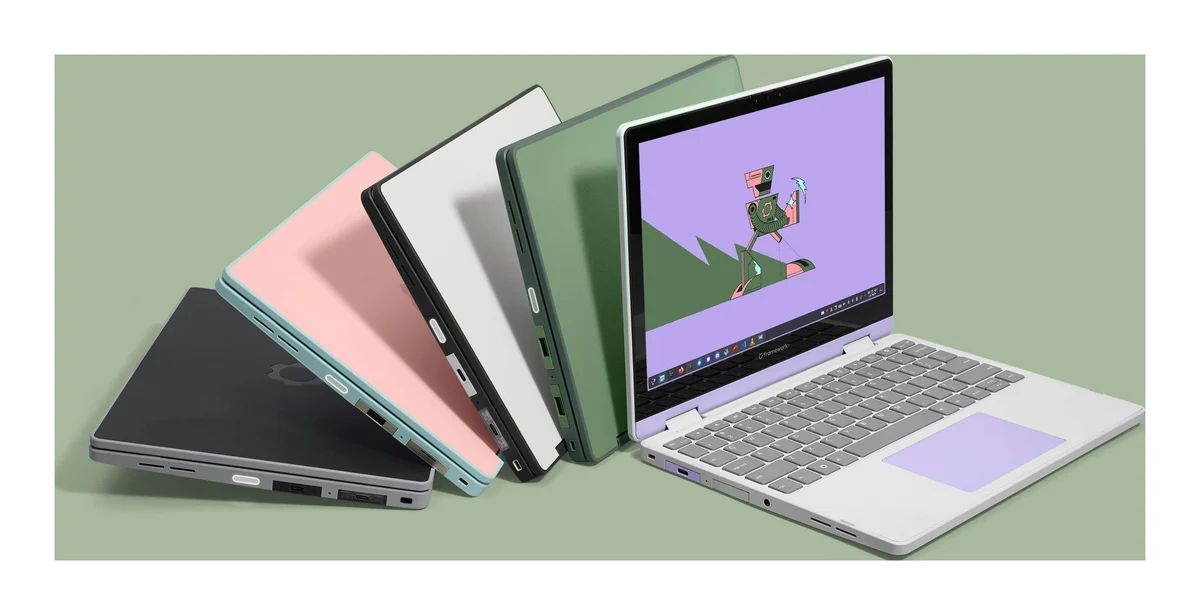
ASUS TUF Gaming 16 (2026) vs Framework Laptop 12 (Intel Core Series 3)
68Performance30.7
55Display26.5
50.7Battery33.3
38.2Portability76.6
6 spec wins — ASUS TUF Gaming 16 (2026)2 spec wins — Framework Laptop 12 (Intel Core Series 3)
InnoReviews verdict
ASUS TUF Gaming 16 (2026) wins this laptop face-off, 55.6 to 38.5, pulling ahead mainly in performance (+37) and display (+29). Framework Laptop 12 (Intel Core Series 3) still makes sense if its price or standout specs fit your needs better.
Which would you pick?
Key differences
Reasons to pick the ASUS TUF Gaming 16 (2026)
- Stronger performance score: 68 vs 31
- Stronger display score: 55 vs 27
- Stronger battery score: 51 vs 33
- 300% higher RAM: 32 GB vs 8 GB
- 300% higher storage: 2,048 GB vs 512 GB
Reasons to pick the Framework Laptop 12 (Intel Core Series 3)
- Stronger portability score: 77 vs 38
- 41% lower weight: 1.3 kg vs 2.2 kg
- 31% lower thickness: 18.5 mm vs 26.9 mm
Display
| Spec | ASUS TUF Gaming 16 (2026) | Framework Laptop 12 (Intel Core Series 3) |
|---|---|---|
| Screen size | 16 ″+31% | 12.2 ″ |
| Panel type | IPS-level, anti-glare, 100% sRGB | LCD (glass, convertible touchscreen, MPP 2.0/USI 2.0 stylus support) |
| Resolution | 2560x1600 | 1920x1200 |
| Refresh rate | 165 Hz+175% | 60 Hz |
| Peak brightness | — | 400 nits |
Performance
| Spec | ASUS TUF Gaming 16 (2026) | Framework Laptop 12 (Intel Core Series 3) |
|---|---|---|
| Processor | Intel Core i7-14650HX (up to 5.2GHz, 16C/24T) | Intel Core 3 304 |
| Graphics | NVIDIA GeForce RTX 5070 Laptop GPU, 85W (8GB GDDR7) | Intel Graphics (1 Xe3 core, up to 2.3GHz) |
| RAM | 32 GB+300% | 8 GB |
| RAM type | DDR5-5600 SO-DIMM (2 slots, upgradeable to 64GB) | DDR5-6400 (SO-DIMM) |
| Storage | 2,048 GB+300% | 512 GB |
| Storage type | M.2 2280 PCIe 4.0 NVMe SSD (2x M.2 slots) | M.2 2230 NVMe SSD |
Battery
| Spec | ASUS TUF Gaming 16 (2026) | Framework Laptop 12 (Intel Core Series 3) |
|---|---|---|
| Capacity | 63 Wh+26% | 50 Wh |
| Charging | 150 W+150% | 60 W |
Design
| Spec | ASUS TUF Gaming 16 (2026) | Framework Laptop 12 (Intel Core Series 3) |
|---|---|---|
| Weight | 2.2 kg | 1.3 kg+41% |
| Thickness | 26.9 mm | 18.5 mm+31% |
| Material | All-black chassis with an anti-fingerprint coating, MIL-STD-810H tested | Overmolded shock-absorbing TPU over plastic with an internal metal structure |
Connectivity
| Spec | ASUS TUF Gaming 16 (2026) | Framework Laptop 12 (Intel Core Series 3) |
|---|---|---|
| Ports | 2x USB 3.2 Gen 1 Type-A, 1x USB 2.0 Type-A, 1x USB 3.2 Gen 2 Type-C (DisplayPort / Power Delivery), 1x HDMI 2.1, 1x RJ45 LAN, 3.5mm combo audio jack | 4x swappable Expansion Cards (2x rear Thunderbolt 4, 2x front USB 3.2 Gen 2; USB-C/USB-A, HDMI, DisplayPort, Ethernet, microSD/SD options), 3.5mm combo jack |
| Wi-Fi | Wi-Fi 6 (802.11ax) | Wi-Fi 7 (Intel BE213) |
| Bluetooth | 5.4 | 6.0 |
| Webcam | 720p HD camera | 1080p 30fps (2MP OmniVision OV02C sensor, 80° FOV), hardware privacy switch |
| Biometrics | — | None on this configuration — fingerprint reader is bundled only with the Core 5 320/Core 7 350 pre-built tiers, not Core 3 304 |
Software
| Spec | ASUS TUF Gaming 16 (2026) | Framework Laptop 12 (Intel Core Series 3) |
|---|---|---|
| Operating system | Windows 11 Home | Fedora 44 (KDE Plasma) (Windows 11 Home/Pro option available) |
Related comparisons
ASUS TUF Gaming 16 (2026)vs Dell XPS 13 (9350)VSASUS TUF Gaming 16 (2026)vs Lecoo Air 14 2026VSASUS TUF Gaming 16 (2026)vs Microsoft Surface Laptop 13.8-inch (8th Edition)VSASUS TUF Gaming 16 (2026)vs Lenovo Legion Pro 5i Gen 9 (16IRX9)VSFramework Laptop 12 (Intel Core Series 3)vs Acer Nitro V 15VSFramework Laptop 12 (Intel Core Series 3)vs Chuwi NeoBookVSFramework Laptop 12 (Intel Core Series 3)vs Asus Vivobook 15VSFramework Laptop 12 (Intel Core Series 3)vs ASUS Vivobook S14 Flip (TP5408QA)VS