 ZoomPhoto 1 of 1
Qualcomm
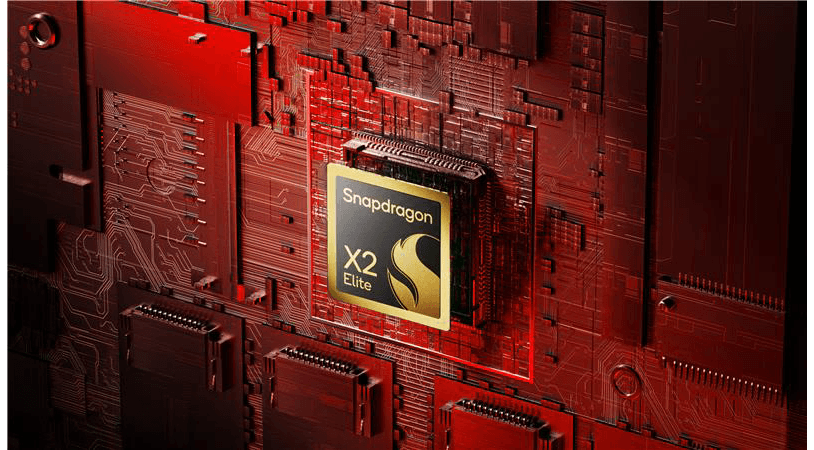
Qualcomm Snapdragon X2 Elite Extreme
Qualcomm's flagship next-generation ARM SoC designed for premium AI PCs and high-performance Windows laptops. It combines custom next-gen Oryon CPU cores with a class-leading NPU and upgraded Adreno graphics for exceptional power efficiency.
Pros
- Next-generation custom Oryon core architecture
- Leading energy efficiency and battery life for mobile computing
- High-throughput Hexagon NPU for local generative AI workloads
- Support for high-bandwidth LPDDR5X memory
- Native hardware acceleration for modern multimedia and connectivity
Cons
- ARM translation overhead in non-native legacy x86 Windows software
- Limited native support in certain anti-cheat and niche workstation tools
- Non-upgradable unified memory architecture
Very good
Computed from specs & benchmarks via our public methodology.
Full specifications
Everything we track for the Qualcomm Snapdragon X2 Elite Extreme
General
- Announced
- 2025
- Process
- 3 nm
Cores & Clocks
- Cores
- 18
- Threads
- 18
- Base clock
- 4.4 GHz
- Boost clock
- 5 GHz
Integrated GPU
- iGPU
- Qualcomm Adreno X2-90
- iGPU clock
- 1,850 MHz
Memory
- Memory support
- LPDDR5X
Benchmarks
- Geekbench 6 (single)
- 4,062Top 3%
- Geekbench 6 (multi)
- 23,166Top 3%
- PassMark
- 44,659Top 10%
- PassMark (single thread)
- 4,540Top 9%
- 3DMark Time Spy Graphics (iGPU)
- 3,667Top 14%
Devices with the Qualcomm Snapdragon X2 Elite Extreme
1 device in our catalog uses this chip
Quick answers
Is the Qualcomm Snapdragon X2 Elite Extreme good in 2026?
The Qualcomm Snapdragon X2 Elite Extreme earns an Inno Score of 78.6/100 (“Very good”) based on its specs and benchmark results. Qualcomm's flagship next-generation ARM SoC designed for premium AI PCs and high-performance Windows laptops. It combines custom next-gen Oryon CPU cores with a class-leading NPU and upgraded Adreno graphics for exceptional power efficiency.
Does the Qualcomm Snapdragon X2 Elite Extreme count as "Core i7 or equivalent"?
Its PassMark CPU Mark average is 44,659 (cpubenchmark.net, retrieved Sep 26–Oct 8, 2026), which puts it in Tier A of our CPU tier checker: current Core i7 H / Core Ultra 7 / Ryzen 7 class and above. It is an Arm-based chip, so a requirement that asks specifically for an Intel or AMD (x86-64) processor excludes it. Requirement pages word this differently, so check the exact wording with your department.
Which devices use the Qualcomm Snapdragon X2 Elite Extreme?
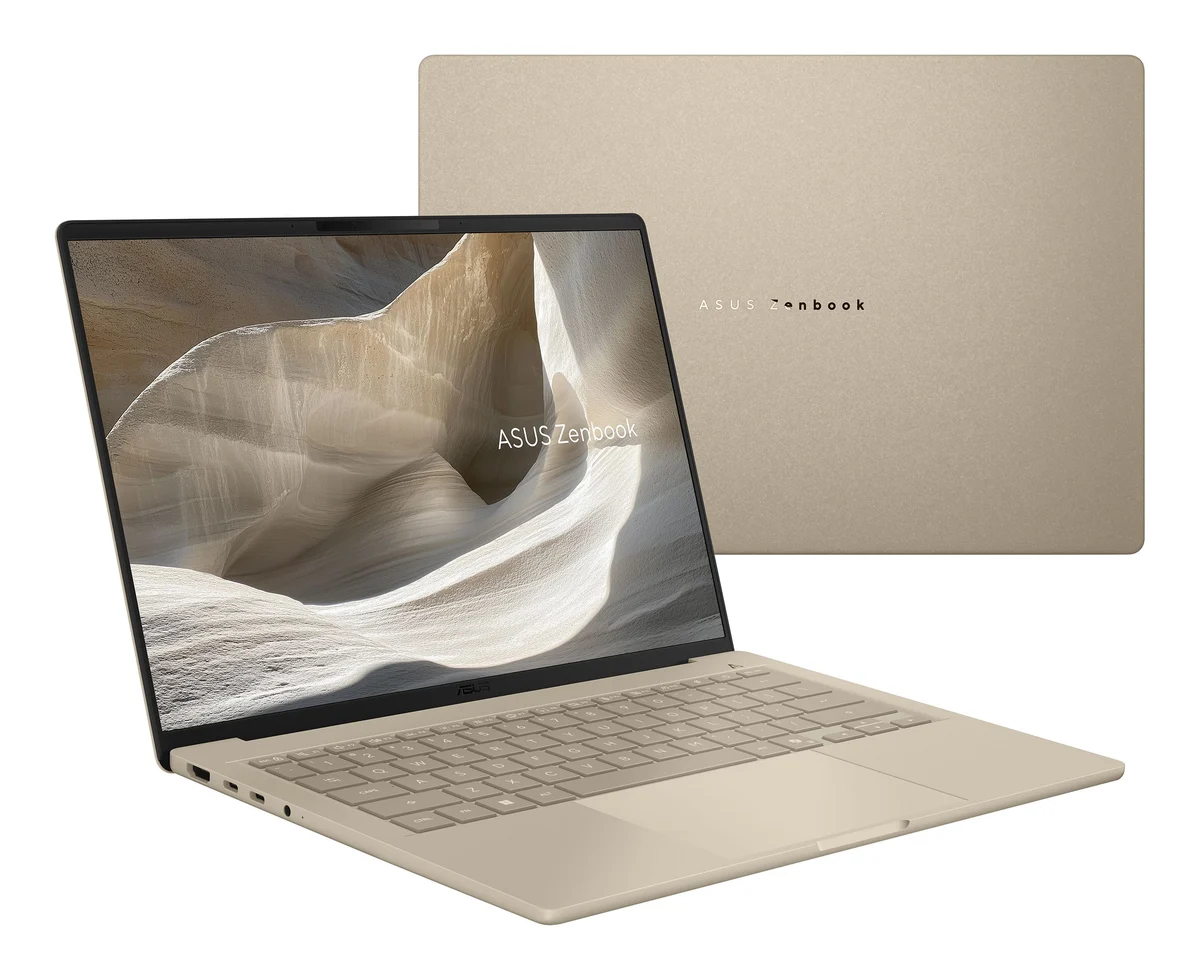
One device in our catalog uses the Qualcomm Snapdragon X2 Elite Extreme: ASUS Zenbook A14 (2026) UX3407NA.
What are the key specs of the Qualcomm Snapdragon X2 Elite Extreme?
Cores: 18 · Threads: 18 · Boost clock: 5 GHz
What are the closest alternatives to the Qualcomm Snapdragon X2 Elite Extreme?
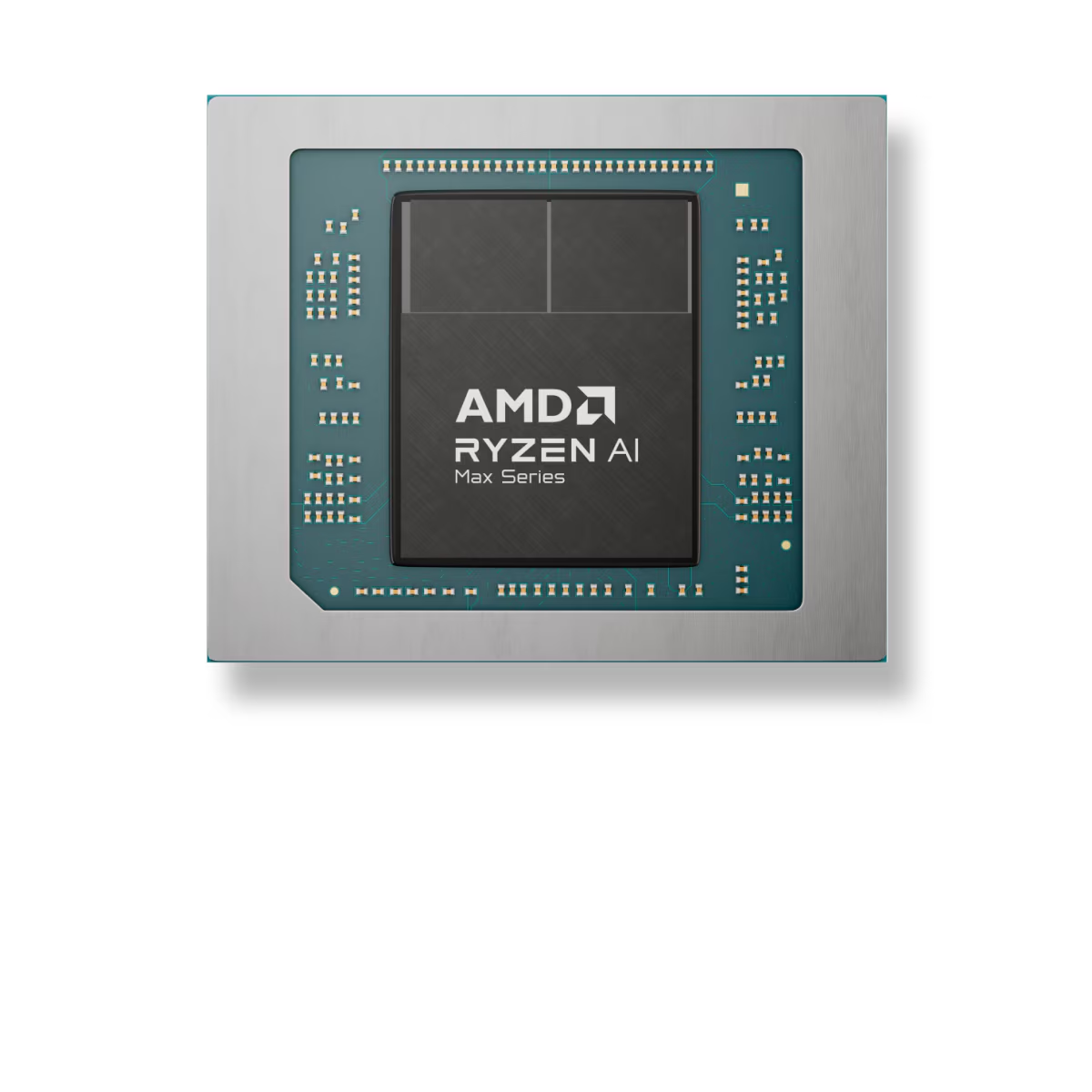
Its closest rivals on InnoReviews are Apple M6 (12-core), Apple M4 Max (16-core), AMD Ryzen AI Max+ 395 — open the comparison pages for a spec-by-spec breakdown.