ASUS Vivobook S16 (S5608QA) vs HUAWEI MateBook 14 (2024)
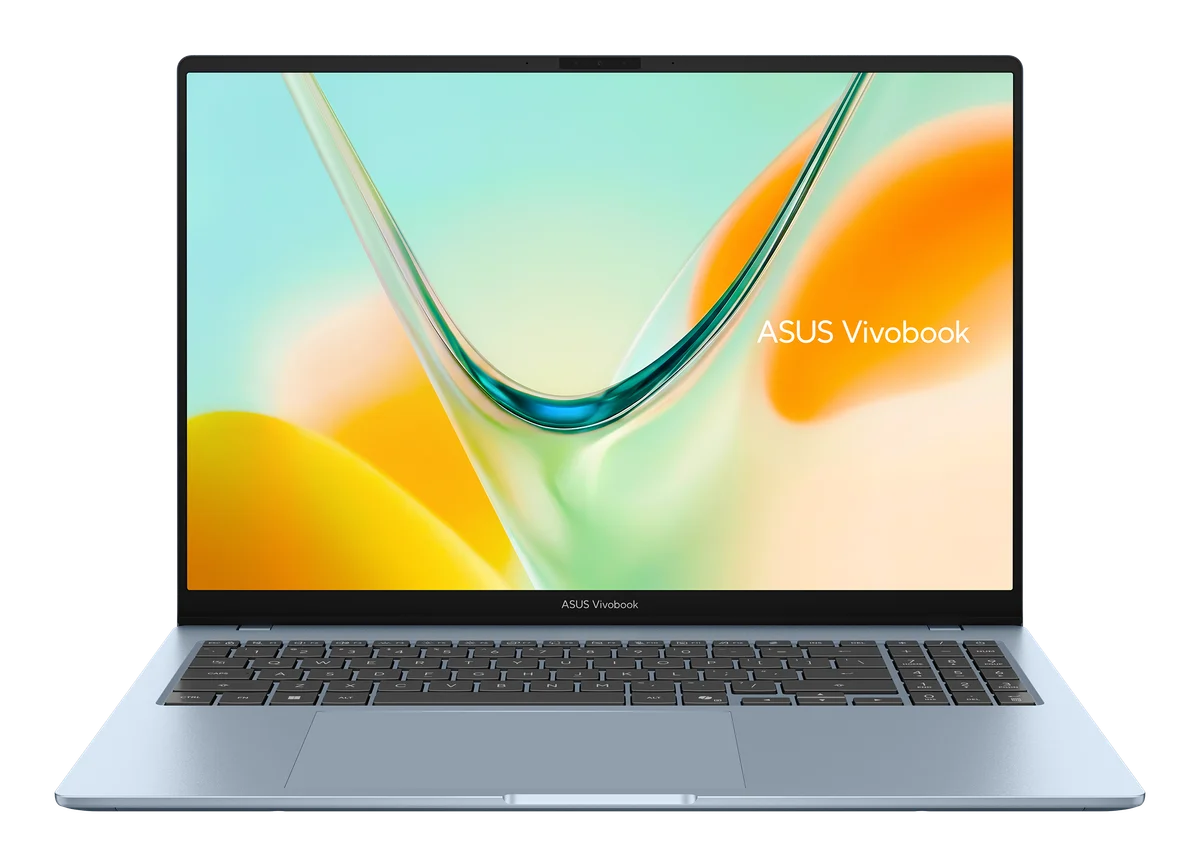
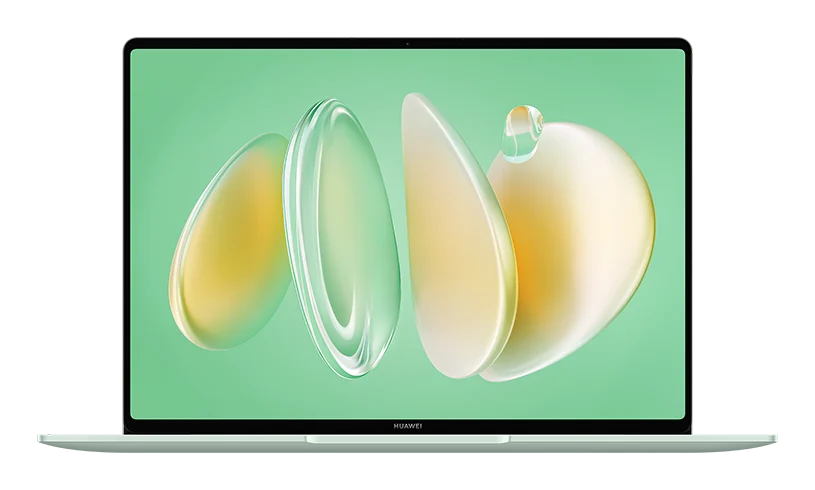
25.3Performance41.9
23.3Display36.7
33.3Battery60
69.7Portability81.6
2 spec wins — ASUS Vivobook S16 (S5608QA)7 spec wins — HUAWEI MateBook 14 (2024)
InnoReviews verdict
HUAWEI MateBook 14 (2024) wins this laptop face-off, 51.8 to 34.6, pulling ahead mainly in battery (+27) and performance (+17). ASUS Vivobook S16 (S5608QA) still makes sense if its price or standout specs fit your needs better.
Which would you pick?
Key differences
Reasons to pick the ASUS Vivobook S16 (S5608QA)
- 13% higher Screen size: 16 ″ vs 14.2 ″
Reasons to pick the HUAWEI MateBook 14 (2024)
- Stronger performance score: 42 vs 25
- Stronger display score: 37 vs 23
- Stronger battery score: 60 vs 33
- Stronger portability score: 82 vs 70
- 300% higher storage: 1,024 GB vs 256 GB
Display
| Spec | ASUS Vivobook S16 (S5608QA) | HUAWEI MateBook 14 (2024) |
|---|---|---|
| Screen size | 16 ″+13% | 14.2 ″ |
| Panel type | OLED (100% DCI-P3, 1,000,000:1 contrast) | OLED (3:2, touchscreen) |
| Resolution | 1920x1200 | 2880x1920 |
| Refresh rate | 60 Hz | 120 Hz+100% |
| Peak brightness | 300 nits | 450 nits+50% |
Performance
| Spec | ASUS Vivobook S16 (S5608QA) | HUAWEI MateBook 14 (2024) |
|---|---|---|
| Processor | Qualcomm Snapdragon X X1-26-101 (8-core, up to 2.97GHz, 30MB cache) | Intel Core Ultra 7 155H |
| Graphics | Qualcomm Adreno GPU (integrated) | Intel Arc Graphics (8 Xe-cores) |
| RAM | 8 GB | 16 GB+100% |
| RAM type | LPDDR5X (onboard, not upgradeable) | — |
| Storage | 256 GB | 1,024 GB+300% |
| Storage type | M.2 NVMe PCIe SSD (single M.2 2280 slot, single-sided SSD only) | NVMe PCIe SSD |
Benchmarks
| Spec | ASUS Vivobook S16 (S5608QA) | HUAWEI MateBook 14 (2024) |
|---|---|---|
| Geekbench 6 (single) | — | 2,372Bottom 16% |
| Geekbench 6 (multi) | — | 12,643Bottom 41% |
Battery
| Spec | ASUS Vivobook S16 (S5608QA) | HUAWEI MateBook 14 (2024) |
|---|---|---|
| Capacity | 50 Wh | 70 Wh+40% |
| Charging | 68 W+5% | 65 W |
Design
| Spec | ASUS Vivobook S16 (S5608QA) | HUAWEI MateBook 14 (2024) |
|---|---|---|
| Weight | 1.6 kg | 1.31 kg+18% |
| Thickness | 16.9 mm | 14.5 mm+14% |
| Material | Full-metal chassis, MIL-STD-810H military-grade durability testing | Aluminum alloy |
Connectivity
| Spec | ASUS Vivobook S16 (S5608QA) | HUAWEI MateBook 14 (2024) |
|---|---|---|
| Ports | 2x USB 3.2 Gen 2 Type-C (DisplayPort/Power Delivery), 2x USB 3.2 Gen 1 Type-A, 1x HDMI 2.1, 3.5mm combo audio jack | 1x USB-C (data, charging, DisplayPort), 2x USB-A 3.2 Gen 1, 1x HDMI, 3.5 mm headset jack |
| Wi-Fi | Wi-Fi 6E (802.11ax) | Wi-Fi 6 |
| Bluetooth | 5.3 | Bluetooth 5.1 |
| Webcam | FHD IR camera with Windows Hello support | 1080p |
| Biometrics | Windows Hello IR camera (no fingerprint reader) | Fingerprint power button |
Software
| Spec | ASUS Vivobook S16 (S5608QA) | HUAWEI MateBook 14 (2024) |
|---|---|---|
| Operating system | Windows 11 Home | Windows 11 Home |
Related comparisons
ASUS Vivobook S16 (S5608QA)vs Asus Vivobook 14VSASUS Vivobook S16 (S5608QA)vs Lenovo Prima 14 IWCVSASUS Vivobook S16 (S5608QA)vs IdeaPad Slim 3i Gen 11VSASUS Vivobook S16 (S5608QA)vs Dell 15 (DC15250)VSHUAWEI MateBook 14 (2024)vs HP OmniBook Ultra Flip 14VSHUAWEI MateBook 14 (2024)vs ASUS Vivobook S 16 OLED (S5606)VSHUAWEI MateBook 14 (2024)vs Lenovo Googlebook 15VSHUAWEI MateBook 14 (2024)vs LG Gram 17 (2025)VS