ASUS Vivobook S 16 OLED (S5606) vs HUAWEI MateBook 14 (2024)
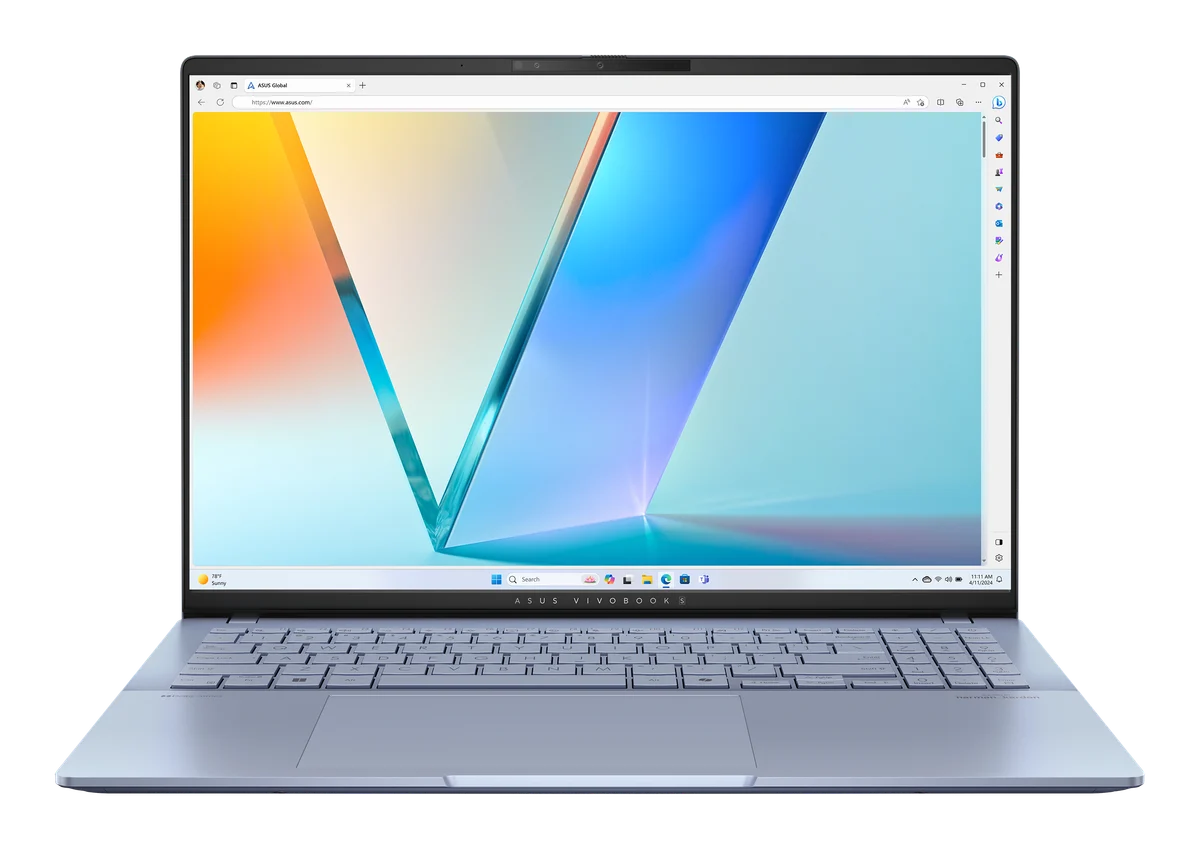
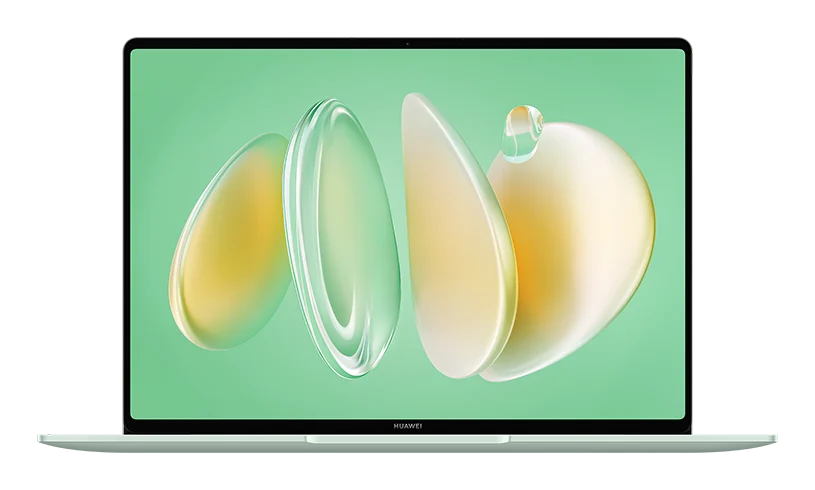
37.8Performancespec-based41.9
58.1chipGraphicschip58.1
41.6Displayspec-based36.7
66.7Batteryspec-based60
74Portabilityspec-based81.6
4 spec wins — ASUS Vivobook S 16 OLED (S5606)4 spec wins — HUAWEI MateBook 14 (2024)
InnoReviews verdict
This one is close to a dead heat: ASUS Vivobook S 16 OLED (S5606) scores 52.5 against 52.6 for HUAWEI MateBook 14 (2024). Pick by the categories that matter to you, or by price.
Which would you pick?
Key differences
Reasons to pick the ASUS Vivobook S 16 OLED (S5606)
- 38% higher charging: 90 W vs 65 W
- 33% higher Peak brightness: 600 nits vs 450 nits
- 13% higher Screen size: 16 ″ vs 14.2 ″
Reasons to pick the HUAWEI MateBook 14 (2024)
- 13% lower weight: 1.31 kg vs 1.5 kg
- 12% higher Geekbench 6 (multi): 12,643 vs 11,273
Display
| Spec | ASUS Vivobook S 16 OLED (S5606) | HUAWEI MateBook 14 (2024) |
|---|---|---|
| Screen size | 16 ″+13% | 14.2 ″ |
| Panel type | OLED, glossy, non-touch (100% DCI-P3, VESA HDR True Black 600) | OLED (3:2, touchscreen) |
| Resolution | 3200x2000 | 2880x1920 |
| Refresh rate | 120 Hz | 120 Hz |
| Peak brightness | 600 nits+33% | 450 nits |
Performance
| Spec | ASUS Vivobook S 16 OLED (S5606) | HUAWEI MateBook 14 (2024) |
|---|---|---|
| Processor | Intel Core Ultra 7 155H | Intel Core Ultra 7 155H |
| Graphics | Intel Arc Graphics | Intel Arc Graphics (8 Xe-cores) |
| RAM | 16 GB | 16 GB |
| RAM type | LPDDR5X (soldered) | — |
| Storage | 1,024 GB | 1,024 GB |
| Storage type | M.2 2280 NVMe PCIe 4.0 SSD | NVMe PCIe SSD |
Benchmarks
| Spec | ASUS Vivobook S 16 OLED (S5606) | HUAWEI MateBook 14 (2024) |
|---|---|---|
| Geekbench 6 (single) | 2,173Bottom 4% | 2,372+9%Bottom 10% |
| Geekbench 6 (multi) | 11,273Bottom 26% | 12,643+12%Bottom 40% |
Battery
| Spec | ASUS Vivobook S 16 OLED (S5606) | HUAWEI MateBook 14 (2024) |
|---|---|---|
| Capacity | 75 Wh+7% | 70 Wh |
| Charging | 90 W+38% | 65 W |
Design
| Spec | ASUS Vivobook S 16 OLED (S5606) | HUAWEI MateBook 14 (2024) |
|---|---|---|
| Weight | 1.5 kg | 1.31 kg+13% |
| Thickness | 15.9 mm | 14.5 mm+9% |
| Material | Metal chassis (MIL-STD-810H tested) | Aluminum alloy |
Connectivity
| Spec | ASUS Vivobook S 16 OLED (S5606) | HUAWEI MateBook 14 (2024) |
|---|---|---|
| Ports | 2x Thunderbolt 4 (DisplayPort/PD), 2x USB 3.2 Gen 1 Type-A, 1x HDMI 2.1, microSD reader, 3.5mm combo audio jack | 1x USB-C (data, charging, DisplayPort), 2x USB-A 3.2 Gen 1, 1x HDMI, 3.5 mm headset jack |
| Wi-Fi | Wi-Fi 6E (802.11ax) | Wi-Fi 6 |
| Bluetooth | 5.3 | Bluetooth 5.1 |
| Webcam | 1080p FHD IR camera with privacy shutter | 1080p |
| Biometrics | Windows Hello IR face recognition (no fingerprint reader) | Fingerprint power button |
Software
| Spec | ASUS Vivobook S 16 OLED (S5606) | HUAWEI MateBook 14 (2024) |
|---|---|---|
| Operating system | Windows 11 Home | Windows 11 Home |
Related comparisons
ASUS Vivobook S 16 OLED (S5606)vs Dell XPS GooglebookVSASUS Vivobook S 16 OLED (S5606)vs GIGABYTE GAMING A16 GA6H (2025)VSASUS Vivobook S 16 OLED (S5606)vs HP ZBook 8 G1i 16VSASUS Vivobook S 16 OLED (S5606)vs Lenovo Googlebook 15VSHUAWEI MateBook 14 (2024)vs Dell XPS GooglebookVSHUAWEI MateBook 14 (2024)vs GIGABYTE GAMING A16 GA6H (2025)VSHUAWEI MateBook 14 (2024)vs HP ZBook 8 G1i 16VSHUAWEI MateBook 14 (2024)vs Acer Aspire 14 AI (A14-I71M)VS