HUAWEI MateBook 14 (2024) vs Microsoft Surface Laptop 7 (15-inch)
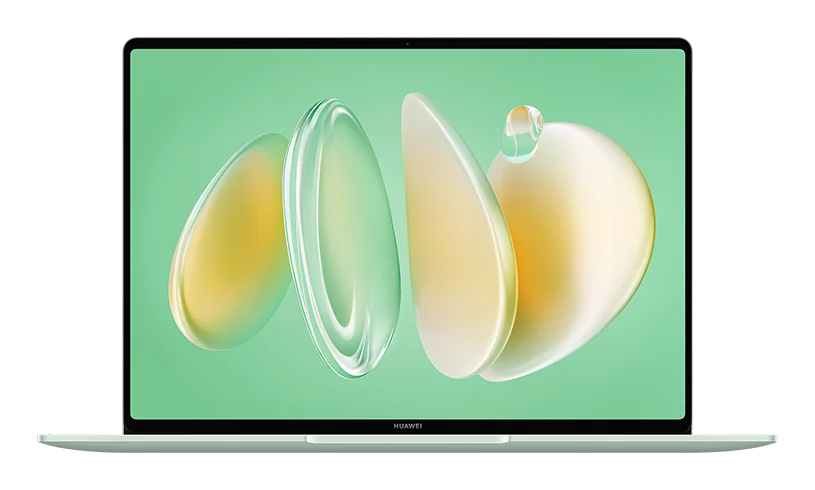
HUAWEI MateBook 14 (2024): Intel Core Ultra 7 155H, released May 8, 2024
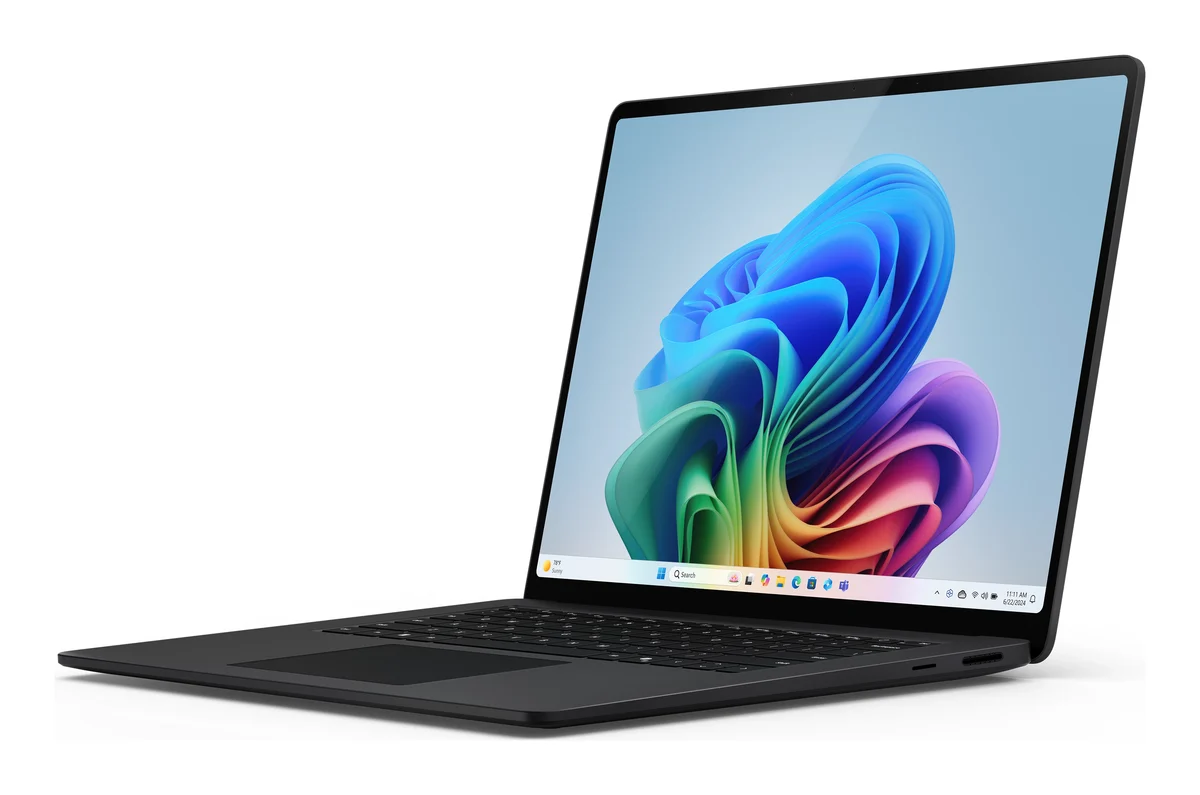
Microsoft Surface Laptop 7 (15-inch): Qualcomm Snapdragon X Elite X1E-80-100, released Jun 18, 2024, $1,299
Chip vs chip: Intel Core Ultra 7 155H vs Qualcomm Snapdragon X Elite X1E-80-100 →
InnoReviews verdict
This one is close to a dead heat: HUAWEI MateBook 14 (2024) scores 52.6 against 52.2 for Microsoft Surface Laptop 7 (15-inch). Pick by the categories that matter to you — HUAWEI MateBook 14 (2024) edges ahead in graphics, or by price.
Key differences
Reasons to pick the HUAWEI MateBook 14 (2024)
- Stronger graphics score: 58 vs 45
- 300% higher storage: 1,024 GB vs 256 GB
- 21% lower weight: 1.31 kg vs 1.66 kg
- 21% lower thickness: 14.5 mm vs 18.3 mm
Reasons to pick the Microsoft Surface Laptop 7 (15-inch)
- Stronger performance score: 46 vs 42
- 33% higher peak brightness: 600 nits vs 450 nits
Which would you pick?
HUAWEI MateBook 14 (2024) vs Microsoft Surface Laptop 7 (15-inch): full specs
Display
| Spec | HUAWEI MateBook 14 (2024) | Microsoft Surface Laptop 7 (15-inch) |
|---|---|---|
| Screen size | 14.2 ″ | 15 ″+6% |
| Panel type | OLED (3:2, touchscreen) | IPS (PixelSense Flow) |
| Resolution | 2880x1920 | 2496x1664 |
| Refresh rate | 120 Hz | 120 Hz |
| Peak brightness | 450 nits | 600 nits+33% |
Performance
| Spec | HUAWEI MateBook 14 (2024) | Microsoft Surface Laptop 7 (15-inch) |
|---|---|---|
| Processor | Intel Core Ultra 7 155H | Qualcomm Snapdragon X Elite (X1E-80-100) |
| Graphics | Intel Arc Graphics (8 Xe-cores) | Qualcomm Adreno |
| RAM | 16 GB | 16 GB |
| RAM type | — | LPDDR5X |
| Storage | 1,024 GB+300% | 256 GB |
| Storage type | NVMe PCIe SSD | NVMe SSD (removable) |
Benchmarks
| Spec | HUAWEI MateBook 14 (2024) | Microsoft Surface Laptop 7 (15-inch) |
|---|---|---|
| Geekbench 6 (single) | 2,372Bottom 10% | — |
| Geekbench 6 (multi) | 12,643Bottom 41% | — |
Battery
| Spec | HUAWEI MateBook 14 (2024) | Microsoft Surface Laptop 7 (15-inch) |
|---|---|---|
| Capacity | 70 Wh+6% | 66 Wh |
| Web browsing endurance | — | 14 h |
| Charging | 65 W | 65 W |
Design
| Spec | HUAWEI MateBook 14 (2024) | Microsoft Surface Laptop 7 (15-inch) |
|---|---|---|
| Weight | 1.31 kg+21% | 1.66 kg |
| Thickness | 14.5 mm+21% | 18.3 mm |
| Material | Aluminum alloy | Aluminum |
Connectivity
| Spec | HUAWEI MateBook 14 (2024) | Microsoft Surface Laptop 7 (15-inch) |
|---|---|---|
| Ports | 1x USB-C (data, charging, DisplayPort), 2x USB-A 3.2 Gen 1, 1x HDMI, 3.5 mm headset jack | 2x USB4, USB-A 3.1, microSDXC, Surface Connect, 3.5mm |
| Wi-Fi | Wi-Fi 6 | Wi-Fi 7 |
| Bluetooth | Bluetooth 5.1 | 5.4 |
| Webcam | 1080p | 1080p + IR |
| Biometrics | Fingerprint power button | IR face (Windows Hello) |
Software
| Spec | HUAWEI MateBook 14 (2024) | Microsoft Surface Laptop 7 (15-inch) |
|---|---|---|
| Operating system | Windows 11 Home | Windows 11 (Arm) |
Quick answers
Which is better: HUAWEI MateBook 14 (2024) or Microsoft Surface Laptop 7 (15-inch)?
This one is close to a dead heat: HUAWEI MateBook 14 (2024) scores 52.6 against 52.2 for Microsoft Surface Laptop 7 (15-inch). Pick by the categories that matter to you — HUAWEI MateBook 14 (2024) edges ahead in graphics, or by price.
How do the scores compare?
HUAWEI MateBook 14 (2024) scores 52.6/100 overall; Microsoft Surface Laptop 7 (15-inch) scores 52.2/100. HUAWEI MateBook 14 (2024) wins 4 individual spec rows, Microsoft Surface Laptop 7 (15-inch) wins 2.
What are the main differences between the HUAWEI MateBook 14 (2024) and the Microsoft Surface Laptop 7 (15-inch)?
HUAWEI MateBook 14 (2024) advantages: Stronger graphics score: 58 vs 45; 300% higher storage: 1,024 GB vs 256 GB; 21% lower weight: 1.31 kg vs 1.66 kg; 21% lower thickness: 14.5 mm vs 18.3 mm. Microsoft Surface Laptop 7 (15-inch) advantages: Stronger performance score: 46 vs 42; 33% higher peak brightness: 600 nits vs 450 nits.
Use this on your site or forum
Copy a ready-made link. Scores on this page update as new results are published, so the link always leads to the current figures.