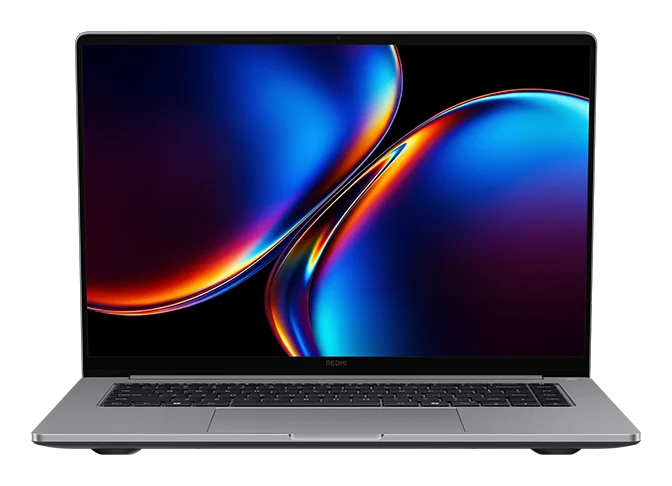
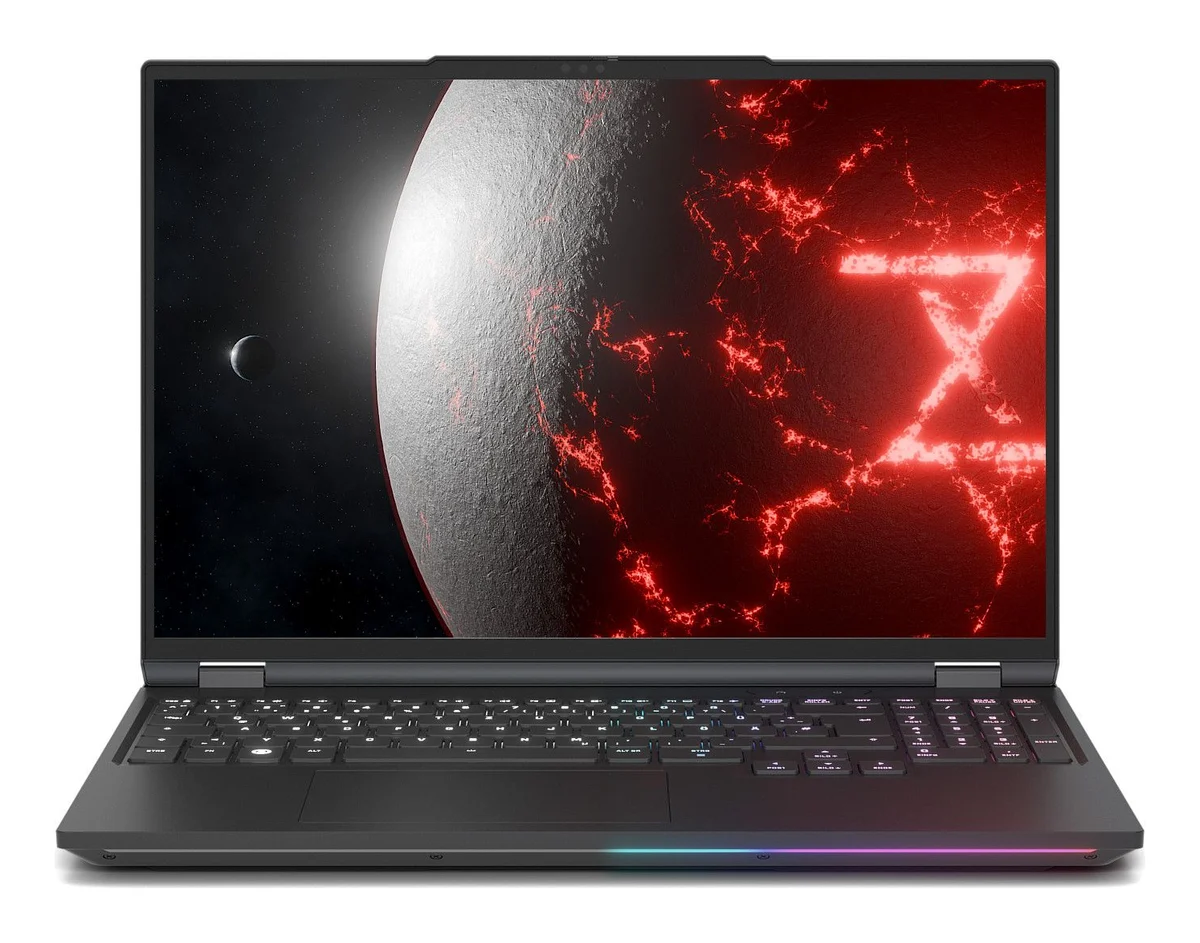
REDMI Book Pro 16 (2026) vs TUXEDO Stellaris 16 Gen8 (Intel)
56.9chipPerformancechip62.9
44.8Display64.1
98.7Battery98.7
62.6Portability24.5
4 spec wins — REDMI Book Pro 16 (2026)2 spec wins — TUXEDO Stellaris 16 Gen8 (Intel)
InnoReviews verdict
This one is close to a dead heat: REDMI Book Pro 16 (2026) scores 64.1 against 64.1 for TUXEDO Stellaris 16 Gen8 (Intel). Pick by the categories that matter to you — REDMI Book Pro 16 (2026) edges ahead in portability, or by price.
Which would you pick?
Key differences
Reasons to pick the REDMI Book Pro 16 (2026)
- Stronger portability score: 63 vs 25
- 105% higher storage: 1,024 GB vs 500 GB
- 100% higher RAM: 32 GB vs 16 GB
- 43% lower thickness: 15.9 mm vs 28 mm
- 29% lower weight: 1.88 kg vs 2.65 kg
Reasons to pick the TUXEDO Stellaris 16 Gen8 (Intel)
- Stronger performance score: 63 vs 57
- Stronger display score: 64 vs 45
- 230% higher charging: 330 W vs 100 W
- 82% higher Refresh rate: 300 Hz vs 165 Hz
Display
| Spec | REDMI Book Pro 16 (2026) | TUXEDO Stellaris 16 Gen8 (Intel) |
|---|---|---|
| Screen size | 16 ″ | 16 ″ |
| Panel type | IPS LCD | IPS-type LED, matte (Mini-LED and OLED options) |
| Resolution | 3200x2000 | 2560x1600 |
| Refresh rate | 165 Hz | 300 Hz+82% |
| Peak brightness | 500 nits | 500 nits |
Performance
| Spec | REDMI Book Pro 16 (2026) | TUXEDO Stellaris 16 Gen8 (Intel) |
|---|---|---|
| Processor | Intel Core Ultra X7 358H | Intel Core Ultra 9 290HX Plus |
| Graphics | Intel Arc B390 (integrated, 12 Xe3 cores) | NVIDIA GeForce RTX 5070 Ti Laptop GPU (12 GB GDDR7) |
| RAM | 32 GB+100% | 16 GB |
| RAM type | LPDDR5X | DDR5-5600 SO-DIMM |
| Storage | 1,024 GB+105% | 500 GB |
| Storage type | PCIe 4.0 SSD (plus one reserved M.2 expansion slot) | PCIe 4.0 NVMe M.2 SSD |
Battery
| Spec | REDMI Book Pro 16 (2026) | TUXEDO Stellaris 16 Gen8 (Intel) |
|---|---|---|
| Capacity | 99 Wh | 99 Wh |
| Charging | 100 W | 330 W+230% |
Design
| Spec | REDMI Book Pro 16 (2026) | TUXEDO Stellaris 16 Gen8 (Intel) |
|---|---|---|
| Weight | 1.88 kg+29% | 2.65 kg |
| Thickness | 15.9 mm+43% | 28 mm |
| Material | Metal chassis | Aluminum lid, base and bottom case; plastic display frame |
Connectivity
| Spec | REDMI Book Pro 16 (2026) | TUXEDO Stellaris 16 Gen8 (Intel) |
|---|---|---|
| Ports | Thunderbolt 4 (USB-C), USB-C 3.2 Gen 2 (full-featured), 2x USB-A 3.2 Gen 1, HDMI 2.1 (TMDS), 3.5mm audio jack | Thunderbolt 4 / USB4 (DisplayPort 2.1, 140W Power Delivery in), USB-C 3.2 Gen2 (10Gbps, DisplayPort 1.4a, 100W Power Delivery in), 3x USB-A 3.2 Gen1, HDMI 2.1, Mini DisplayPort 2.1, SD UHS-II card reader, 2.5Gbit LAN, 3.5mm 2-in-1 audio jack, Kensington lock |
| Wi-Fi | Wi-Fi 6E | Wi-Fi 6E (Intel AX211); Wi-Fi 7 (Intel BE200) optional |
| Bluetooth | 5.3 | 5.3 (5.4 with the optional Wi-Fi 7 card) |
| Webcam | 1080p | 1080p FHD webcam with microphone and privacy shutter |
| Biometrics | Fingerprint reader in the power button | Face recognition (Windows Hello compatible camera) |
Software
| Spec | REDMI Book Pro 16 (2026) | TUXEDO Stellaris 16 Gen8 (Intel) |
|---|---|---|
| Operating system | Windows 11 Home (Chinese version) | TUXEDO OS or Ubuntu LTS preinstalled; Windows 11 Home or Pro optional |
Related comparisons
REDMI Book Pro 16 (2026)vs ASUS TUF Gaming F16 (2025)VSREDMI Book Pro 16 (2026)vs Lenovo Yoga Pro 7a 15-inch Gen 11 (15ASH11)VSREDMI Book Pro 16 (2026)vs ASUS ROG Zephyrus G16 (2025) GU605VSREDMI Book Pro 16 (2026)vs Lenovo IdeaPad Pro 5 Gen 10 (14AKP10)VSTUXEDO Stellaris 16 Gen8 (Intel)vs ASUS TUF Gaming F16 (2025)VSTUXEDO Stellaris 16 Gen8 (Intel)vs Lenovo Yoga Pro 7a 15-inch Gen 11 (15ASH11)VSTUXEDO Stellaris 16 Gen8 (Intel)vs ASUS ROG Zephyrus G16 (2025) GU605VSTUXEDO Stellaris 16 Gen8 (Intel)vs Lenovo IdeaPad Pro 5 Gen 10 (14AKP10)VS