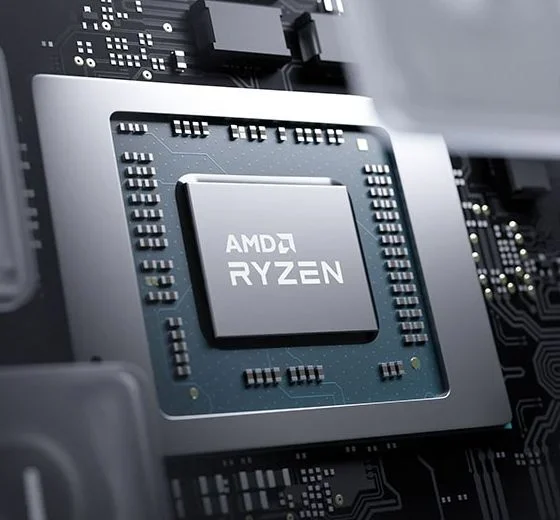
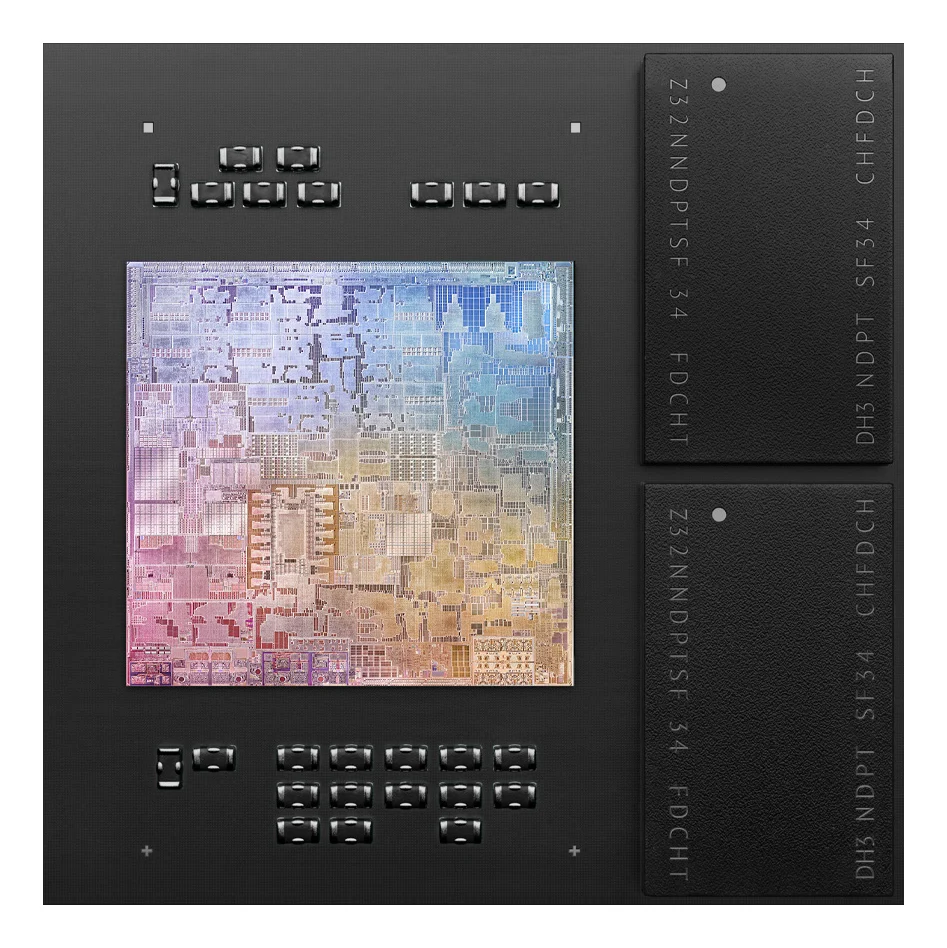
AMD Ryzen 5 7520U vs Apple M1 (8-core)
AMD Ryzen 5 7520U: released Sep 20, 2022
Apple M1 (8-core): released Nov 17, 2020
The AMD Ryzen 5 7520U is 22 months newer.
InnoReviews verdict
Apple M1 (8-core) wins this laptop processor face-off, 47.6 to 38.6, pulling ahead mainly in single-core (+18) and multi-core (+9). AMD Ryzen 5 7520U is the better pick for boost clock.
Key differences
Reasons to pick the AMD Ryzen 5 7520U
- 34% higher boost clock: 4.3 GHz vs 3.2 GHz
Reasons to pick the Apple M1 (8-core)
- 94% higher Geekbench 6 (multi): 8,622 vs 4,434
- 72% higher Geekbench 6 (single): 2,363 vs 1,374
- 58% higher PassMark: 14,122 vs 8,913
- 100% higher cores: 8 vs 4
- 17% lower process: 5 nm vs 6 nm
Up next
AMD Ryzen 5 7520U vs Apple M1 (8-core): benchmarks
Published results for both, side by side
Geekbench 6 (single)
- Apple M1 (8-core)2,363
- AMD Ryzen 5 7520U1,374
Published results: review runs where we found them, otherwise typical published figures. A chip's figure is normally the median of review runs on devices with that chip.
Geekbench 6 (multi)
Published results: review runs where we found them, otherwise typical published figures. A chip's figure is normally the median of review runs on devices with that chip.
Cinebench R23 (single)
- Apple M1 (8-core)1,513
- AMD Ryzen 5 7520U1,171
Published Cinebench R23 results; a laptop processor's figure is the median of review runs, and a laptop with a different power limit lands higher or lower.
Cinebench R23 (multi)
Published Cinebench R23 results; a laptop processor's figure is the median of review runs, and a laptop with a different power limit lands higher or lower.
PassMark (single thread)
- Apple M1 (8-core)3,672
- AMD Ryzen 5 7520U2,370
PassMark's published CPU rating for the processor.
PassMark
- Apple M1 (8-core)14,122
- AMD Ryzen 5 7520U8,913
PassMark's published CPU rating for the processor.
Which would you pick?
AMD Ryzen 5 7520U vs Apple M1 (8-core): full specs
General
| Spec | AMD Ryzen 5 7520U | Apple M1 (8-core) |
|---|---|---|
| Announced | 2022 | 2020 |
| Process | 6 nm | 5 nm+17% |
| Base TDP | 15 W | — |
Cores & Clocks
| Spec | AMD Ryzen 5 7520U | Apple M1 (8-core) |
|---|---|---|
| Cores | 4 | 8+100% |
| Performance cores | 4 | 4 |
| Efficiency cores | — | 4 |
| Threads | 8 | 8 |
| Base clock | 2.8 GHz | — |
| Boost clock | 4.3 GHz+34% | 3.2 GHz |
| L3 cache | 4 MB | — |
Integrated GPU
| Spec | AMD Ryzen 5 7520U | Apple M1 (8-core) |
|---|---|---|
| iGPU | AMD Radeon 610M | Apple 8-core GPU |
| iGPU clock | 1,900 MHz | — |
Memory
| Spec | AMD Ryzen 5 7520U | Apple M1 (8-core) |
|---|---|---|
| Memory support | LPDDR5-5500 | LPDDR4X-4266 |
| Max memory | 16 GB | 16 GB |
Benchmarks
| Spec | AMD Ryzen 5 7520U | Apple M1 (8-core) |
|---|---|---|
| Geekbench 6 (single) | 1,374Bottom 5% | 2,363+72%Bottom 26% |
| Geekbench 6 (multi) | 4,434Bottom 6% | 8,622+94%Bottom 22% |
| Cinebench R23 (single) | 1,171Bottom 8% | 1,513+29%Bottom 22% |
| Cinebench R23 (multi) | 5,149Bottom 9% | 7,799+51%Bottom 15% |
| PassMark | 8,913Bottom 9% | 14,122+58%Bottom 18% |
| PassMark (single thread) | 2,370Bottom 10% | 3,672+55%Top 50% |
| 3DMark Time Spy Graphics (iGPU) | 515Bottom 9% | — |
Quick answers
Which is better: AMD Ryzen 5 7520U or Apple M1 (8-core)?
Apple M1 (8-core) wins this laptop processor face-off, 47.6 to 38.6, pulling ahead mainly in single-core (+18) and multi-core (+9). AMD Ryzen 5 7520U is the better pick for boost clock.
How do the scores compare?
AMD Ryzen 5 7520U scores 38.6/100 overall; Apple M1 (8-core) scores 47.6/100. AMD Ryzen 5 7520U wins 2 individual spec rows, Apple M1 (8-core) wins 8.
What are the main differences between the AMD Ryzen 5 7520U and the Apple M1 (8-core)?
AMD Ryzen 5 7520U advantages: 34% higher boost clock: 4.3 GHz vs 3.2 GHz. Apple M1 (8-core) advantages: 94% higher Geekbench 6 (multi): 8,622 vs 4,434; 72% higher Geekbench 6 (single): 2,363 vs 1,374; 58% higher PassMark: 14,122 vs 8,913; 100% higher cores: 8 vs 4; 17% lower process: 5 nm vs 6 nm.
Use this on your site or forum
Copy a ready-made link. Scores on this page update as new results are published, so the link always leads to the current figures.