AMD Radeon RX 7900 XTX vs NVIDIA RTX 4000 Ada Generation
AMD Radeon RX 7900 XTX: released Dec 13, 2022, $999
NVIDIA RTX 4000 Ada Generation: released Sep 1, 2023, $1,250
The NVIDIA RTX 4000 Ada Generation is 9 months newer.
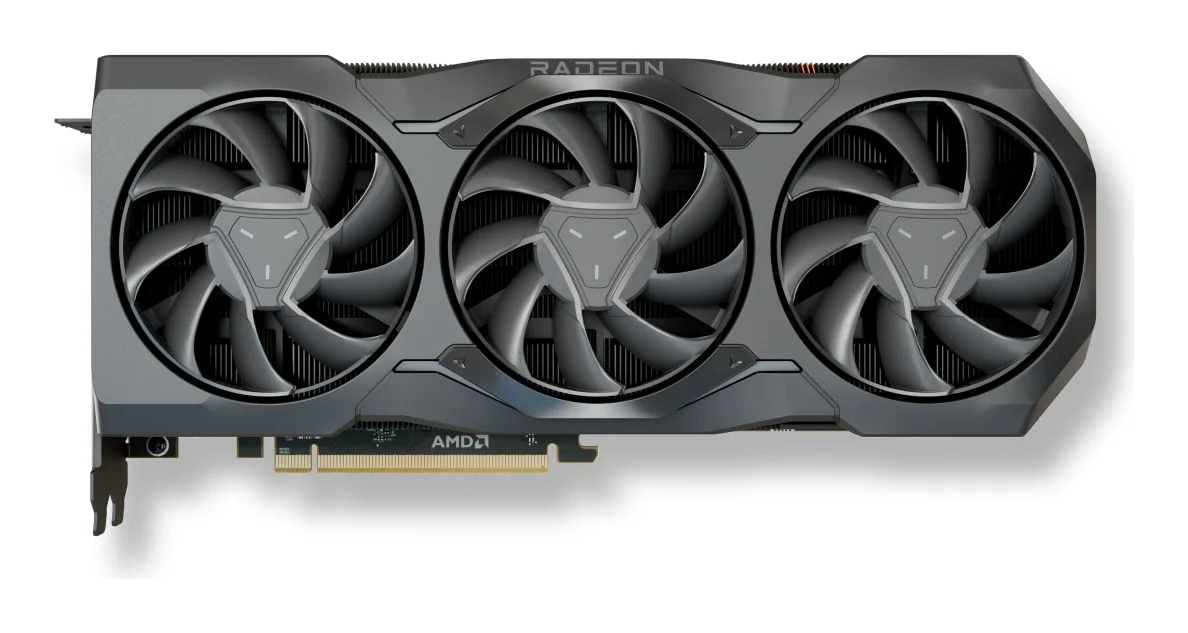
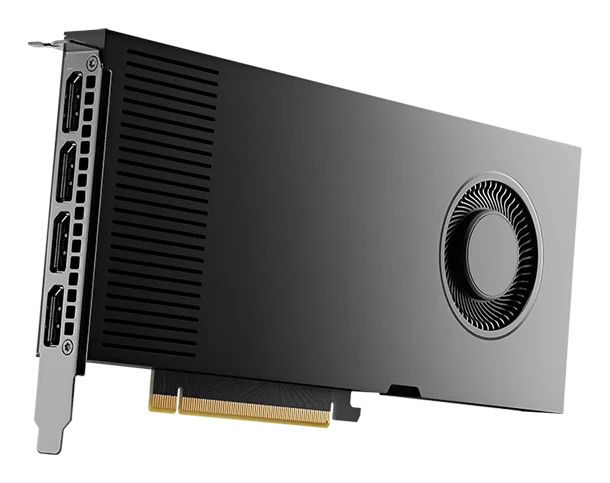
InnoReviews verdict
AMD Radeon RX 7900 XTX wins this graphics card face-off, 62.7 to 52.4, pulling ahead mainly in rasterization (+22) and Ray Tracing (+15). NVIDIA RTX 4000 Ada Generation is the better pick for lower TDP.
Key differences
Reasons to pick the AMD Radeon RX 7900 XTX
- 113% higher 3DMark Time Spy: 30,814 vs 14,434
- 77% higher 3DMark Speed Way: 6,476 vs 3,668
- 33% higher PassMark G3D: 31,473 vs 23,635
- 167% higher bandwidth: 960 GB/s vs 360 GB/s
- 140% higher bus width: 384 bit vs 160 bit
- Lower launch price: $999 vs $1,250
Reasons to pick the NVIDIA RTX 4000 Ada Generation
- 63% lower TDP: 130 W vs 355 W
AMD Radeon RX 7900 XTX vs NVIDIA RTX 4000 Ada Generation: benchmarks
Published results for both, side by side
3DMark Time Spy
- AMD Radeon RX 7900 XTX30,814
- NVIDIA RTX 4000 Ada Generation14,434
Published 3DMark results (Wild Life Extreme for chips, the Time Spy Graphics score for graphics cards): review runs where we found them, otherwise typical published figures.
PassMark G3D
- AMD Radeon RX 7900 XTX31,473
- NVIDIA RTX 4000 Ada Generation23,635
PassMark's published G3D Mark for the graphics card.
Not drawn side by side, because only one device has a published result or the two come from different versions:
- 1440p Ultra: AMD Radeon RX 7900 XTX 134.7
Which would you pick?
AMD Radeon RX 7900 XTX vs NVIDIA RTX 4000 Ada Generation: full specs
General
| Spec | AMD Radeon RX 7900 XTX | NVIDIA RTX 4000 Ada Generation |
|---|---|---|
| Announced | 2022 | 2023 |
| Architecture | RDNA 3 | Ada Lovelace |
| Process | 5 nm | — |
| TDP | 355 W | 130 W+63% |
| Power connector | 2x 8-pin | — |
Cores & Clocks
| Spec | AMD Radeon RX 7900 XTX | NVIDIA RTX 4000 Ada Generation |
|---|---|---|
| Shading units | 6,144 | 6,144 |
| RT cores | 96+100% | 48 |
| Tensor / AI cores | 192 | 192 |
| Base clock | 1,855 MHz | — |
| Boost clock | 2,500 MHz | — |
Memory
| Spec | AMD Radeon RX 7900 XTX | NVIDIA RTX 4000 Ada Generation |
|---|---|---|
| VRAM | 24 GB+20% | 20 GB |
| VRAM type | GDDR6 | GDDR6 |
| Bus width | 384 bit+140% | 160 bit |
| Bandwidth | 960 GB/s+167% | 360 GB/s |
Benchmarks
| Spec | AMD Radeon RX 7900 XTX | NVIDIA RTX 4000 Ada Generation |
|---|---|---|
| 3DMark Time Spy | 30,814+113%Top 6% | 14,434Top 39% |
| 3DMark Speed Way | 6,476+77%Top 14% | 3,668Top 44% |
| PassMark G3D | 31,473+33%Top 10% | 23,635Top 28% |
| 1080p Ultra | 173 fpsTop 15% | — |
| 1440p Ultra | 135 fpsTop 15% | — |
| 4K Ultra | 81 fpsTop 13% | — |
Features
| Spec | AMD Radeon RX 7900 XTX | NVIDIA RTX 4000 Ada Generation |
|---|---|---|
| Upscaling | FSR 3 | DLSS 3 |
Quick answers
Which is better: AMD Radeon RX 7900 XTX or NVIDIA RTX 4000 Ada Generation?
AMD Radeon RX 7900 XTX wins this graphics card face-off, 62.7 to 52.4, pulling ahead mainly in rasterization (+22) and Ray Tracing (+15). NVIDIA RTX 4000 Ada Generation is the better pick for lower TDP.
How do the scores compare?
AMD Radeon RX 7900 XTX scores 62.7/100 overall; NVIDIA RTX 4000 Ada Generation scores 52.4/100. AMD Radeon RX 7900 XTX wins 7 individual spec rows, NVIDIA RTX 4000 Ada Generation wins 2.
What are the main differences between the AMD Radeon RX 7900 XTX and the NVIDIA RTX 4000 Ada Generation?
AMD Radeon RX 7900 XTX advantages: 113% higher 3DMark Time Spy: 30,814 vs 14,434; 77% higher 3DMark Speed Way: 6,476 vs 3,668; 33% higher PassMark G3D: 31,473 vs 23,635; 167% higher bandwidth: 960 GB/s vs 360 GB/s; 140% higher bus width: 384 bit vs 160 bit; Lower launch price: $999 vs $1,250. NVIDIA RTX 4000 Ada Generation advantages: 63% lower TDP: 130 W vs 355 W.
Which is cheaper: AMD Radeon RX 7900 XTX or NVIDIA RTX 4000 Ada Generation?
AMD Radeon RX 7900 XTX launched cheaper at $999, versus $1,250 for the NVIDIA RTX 4000 Ada Generation.
Use this on your site or forum
Copy a ready-made link. Scores on this page update as new results are published, so the link always leads to the current figures.