Intel Arc B580 vs NVIDIA GeForce RTX 5060
Intel Arc B580: released Dec 13, 2024, $249
NVIDIA GeForce RTX 5060: released May 19, 2025, $299
The NVIDIA GeForce RTX 5060 is 5 months newer.
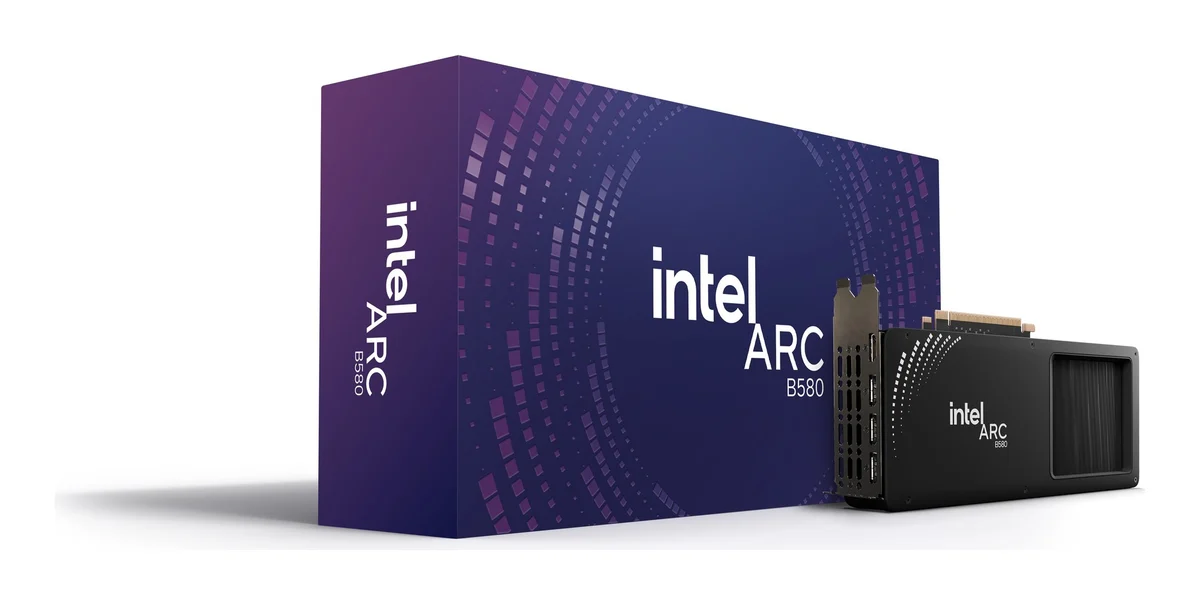
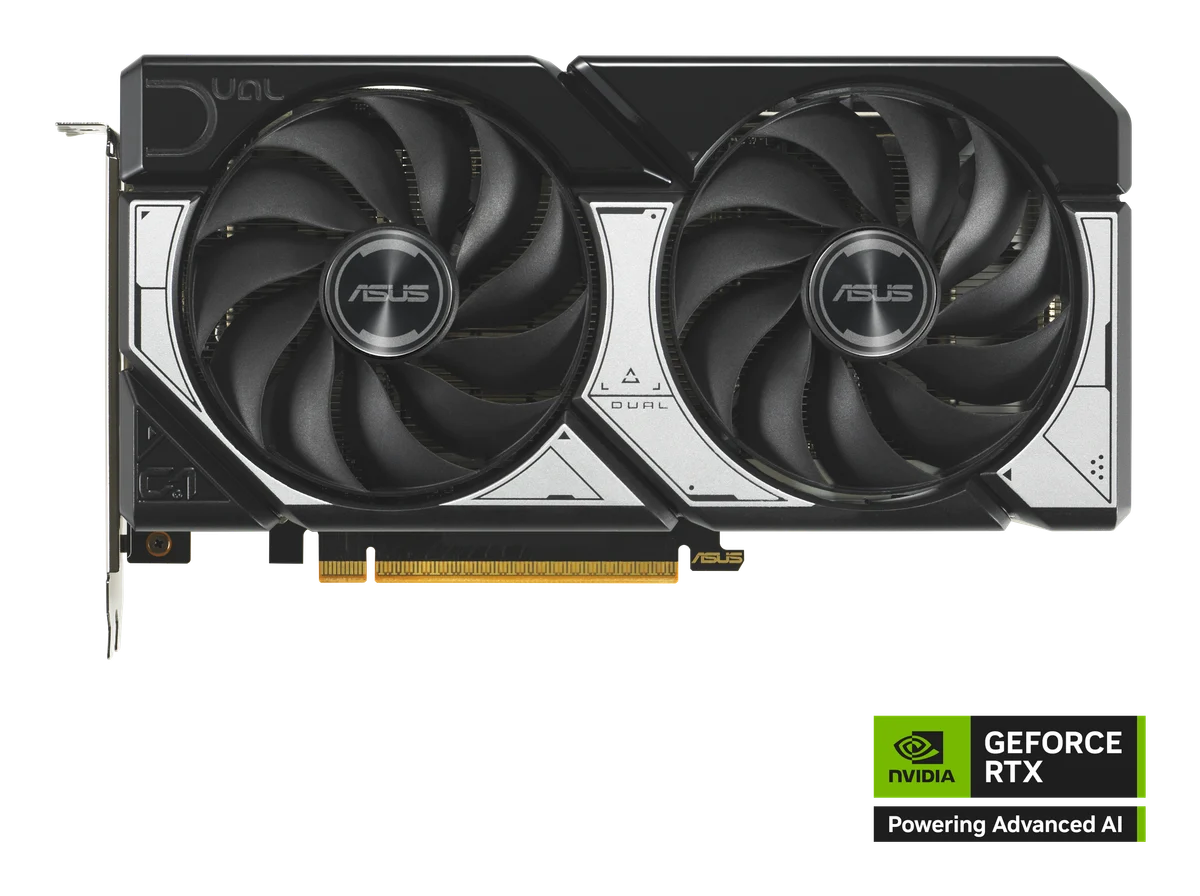
InnoReviews verdict
NVIDIA GeForce RTX 5060 wins this graphics card face-off, 47.8 to 45.1, pulling ahead mainly in compute (+9) and Ray Tracing (+6). Intel Arc B580 is the better pick for 3DMark Time Spy and VRAM, and it launched cheaper.
Key differences
Reasons to pick the Intel Arc B580
- 7% higher 3DMark Time Spy: 14,690 vs 13,755
- 50% higher VRAM: 12 GB vs 8 GB
- 50% higher bus width: 192 bit vs 128 bit
- 33% higher Tensor / AI cores: 160 vs 120
- Lower launch price: $249 vs $299
Reasons to pick the NVIDIA GeForce RTX 5060
- 42% higher 3DMark Speed Way: 3,560 vs 2,501
- 28% higher PassMark G3D: 20,619 vs 16,086
- 20% higher 1440p Ultra: 69 fps vs 57 fps
- 28% higher 1080p Ultra: 98 fps vs 76 fps
- 50% higher shading units: 3,840 vs 2,560
Intel Arc B580 vs NVIDIA GeForce RTX 5060: benchmarks
Published results for both, side by side
3DMark Time Spy
- Intel Arc B58014,690
- NVIDIA GeForce RTX 506013,755
Published 3DMark results (Wild Life Extreme for chips, the Time Spy Graphics score for graphics cards): review runs where we found them, otherwise typical published figures.
1440p Ultra
- NVIDIA GeForce RTX 506068.7
- Intel Arc B58057.4
Average frame rate at 1440p with Ultra settings across a published game test suite.
PassMark G3D
- NVIDIA GeForce RTX 506020,619
- Intel Arc B58016,086
PassMark's published G3D Mark for the graphics card.
Which would you pick?
Intel Arc B580 vs NVIDIA GeForce RTX 5060: full specs
General
| Spec | Intel Arc B580 | NVIDIA GeForce RTX 5060 |
|---|---|---|
| Announced | 2024 | 2025 |
| Architecture | Battlemage | Blackwell |
| Process | 5 nm | 5 nm |
| TDP | 190 W | 145 W+24% |
| Power connector | 1x 8-pin | 1x 8-pin |
Cores & Clocks
| Spec | Intel Arc B580 | NVIDIA GeForce RTX 5060 |
|---|---|---|
| Shading units | 2,560 | 3,840+50% |
| RT cores | 20 | 30+50% |
| Tensor / AI cores | 160+33% | 120 |
| Base clock | — | 2,280 MHz |
| Boost clock | 2,670 MHz+7% | 2,497 MHz |
Memory
| Spec | Intel Arc B580 | NVIDIA GeForce RTX 5060 |
|---|---|---|
| VRAM | 12 GB+50% | 8 GB |
| VRAM type | GDDR6 | GDDR7 |
| Bus width | 192 bit+50% | 128 bit |
| Bandwidth | 456 GB/s+2% | 448 GB/s |
Benchmarks
| Spec | Intel Arc B580 | NVIDIA GeForce RTX 5060 |
|---|---|---|
| 3DMark Time Spy | 14,690+7%Top 37% | 13,755Top 41% |
| 3DMark Speed Way | 2,501Bottom 38% | 3,560+42%Top 47% |
| PassMark G3D | 16,086Bottom 41% | 20,619+28%Top 41% |
| 1080p Ultra | 76 fpsBottom 23% | 98 fps+28%Bottom 38% |
| 1440p Ultra | 57 fpsBottom 23% | 69 fps+20%Bottom 35% |
| 4K Ultra | 35 fpsBottom 28% | 35 fps+2%Bottom 30% |
Features
| Spec | Intel Arc B580 | NVIDIA GeForce RTX 5060 |
|---|---|---|
| Upscaling | XeSS 2 | DLSS 4 |
Quick answers
Which is better: Intel Arc B580 or NVIDIA GeForce RTX 5060?
NVIDIA GeForce RTX 5060 wins this graphics card face-off, 47.8 to 45.1, pulling ahead mainly in compute (+9) and Ray Tracing (+6). Intel Arc B580 is the better pick for 3DMark Time Spy and VRAM, and it launched cheaper.
How do the scores compare?
Intel Arc B580 scores 45.1/100 overall; NVIDIA GeForce RTX 5060 scores 47.8/100. Intel Arc B580 wins 6 individual spec rows, NVIDIA GeForce RTX 5060 wins 9.
What are the main differences between the Intel Arc B580 and the NVIDIA GeForce RTX 5060?
Intel Arc B580 advantages: 7% higher 3DMark Time Spy: 14,690 vs 13,755; 50% higher VRAM: 12 GB vs 8 GB; 50% higher bus width: 192 bit vs 128 bit; 33% higher Tensor / AI cores: 160 vs 120; Lower launch price: $249 vs $299. NVIDIA GeForce RTX 5060 advantages: 42% higher 3DMark Speed Way: 3,560 vs 2,501; 28% higher PassMark G3D: 20,619 vs 16,086; 20% higher 1440p Ultra: 69 fps vs 57 fps; 28% higher 1080p Ultra: 98 fps vs 76 fps; 50% higher shading units: 3,840 vs 2,560.
Which is cheaper: Intel Arc B580 or NVIDIA GeForce RTX 5060?
Intel Arc B580 launched cheaper at $249, versus $299 for the NVIDIA GeForce RTX 5060.
Use this on your site or forum
Copy a ready-made link. Scores on this page update as new results are published, so the link always leads to the current figures.