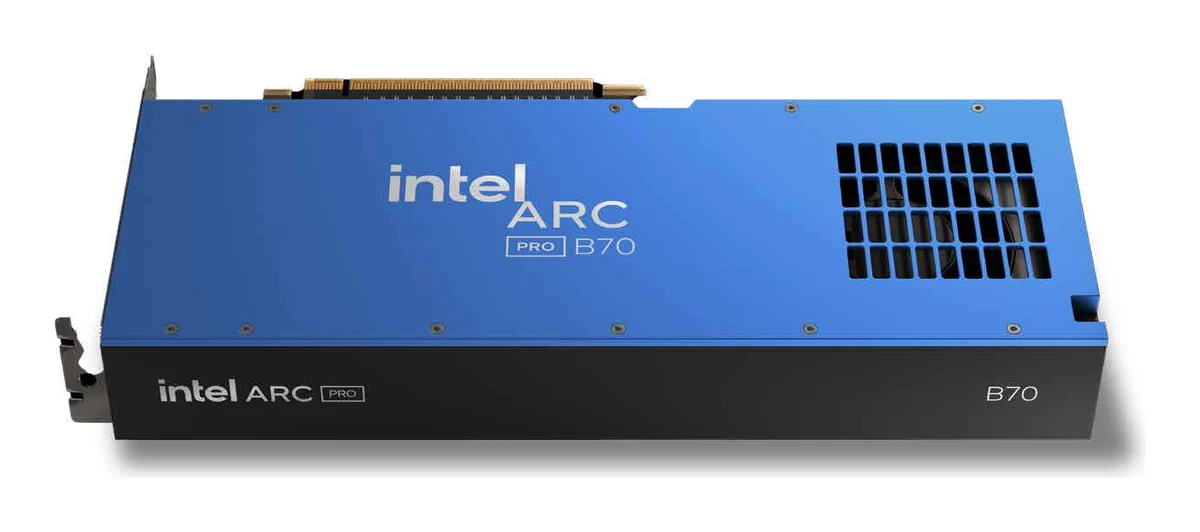
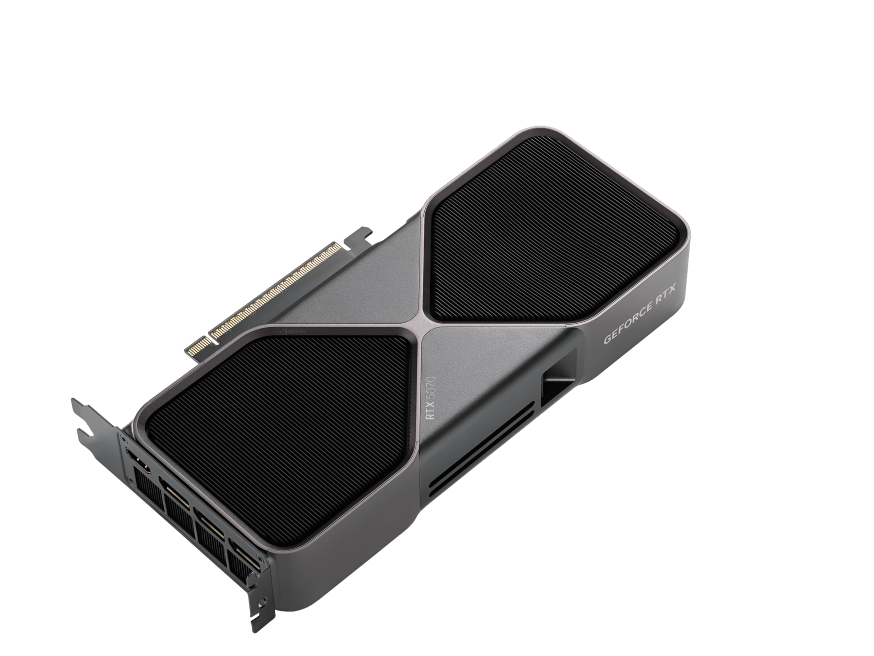
Intel Arc Pro B70 vs NVIDIA GeForce RTX 5070
Intel Arc Pro B70: released Mar 25, 2026, $949
NVIDIA GeForce RTX 5070: released Mar 5, 2025, $549
The Intel Arc Pro B70 is 13 months newer.
InnoReviews verdict
NVIDIA GeForce RTX 5070 wins this graphics card face-off, 57.1 to 53.3, pulling ahead mainly in compute (+17) and Ray Tracing (+15). Intel Arc Pro B70 is the better pick for VRAM and Tensor / AI cores.
Key differences
Reasons to pick the Intel Arc Pro B70
- 167% higher VRAM: 32 GB vs 12 GB
- 33% higher Tensor / AI cores: 256 vs 192
- 33% higher bus width: 256 bit vs 192 bit
- 12% higher boost clock: 2,800 MHz vs 2,510 MHz
Reasons to pick the NVIDIA GeForce RTX 5070
- 84% higher 3DMark Speed Way: 5,948 vs 3,225
- 54% higher PassMark G3D: 28,667 vs 18,640
- 24% higher 3DMark Time Spy: 22,721 vs 18,396
- 50% higher shading units: 6,144 vs 4,096
- 50% higher RT cores: 48 vs 32
- Lower launch price: $549 vs $949
Up next
Intel Arc Pro B70 vs NVIDIA GeForce RTX 5070: benchmarks
Published results for both, side by side
3DMark Time Spy
Published 3DMark results (Wild Life Extreme for chips, the Time Spy Graphics score for graphics cards): review runs where we found them, otherwise typical published figures.
PassMark G3D
- NVIDIA GeForce RTX 507028,667
- Intel Arc Pro B7018,640
PassMark's published G3D Mark for the graphics card.
Not drawn side by side, because only one device has a published result or the two come from different versions:
- 1440p Ultra: NVIDIA GeForce RTX 5070 109.7
Which would you pick?
Intel Arc Pro B70 vs NVIDIA GeForce RTX 5070: full specs
General
| Spec | Intel Arc Pro B70 | NVIDIA GeForce RTX 5070 |
|---|---|---|
| Announced | 2026 | 2025 |
| Architecture | Xe2 (Battlemage) | Blackwell |
| Process | 5 nm | 5 nm |
| TDP | 230 W+8% | 250 W |
| Power connector | 1x 8-pin | 1x 16-pin |
Cores & Clocks
| Spec | Intel Arc Pro B70 | NVIDIA GeForce RTX 5070 |
|---|---|---|
| Shading units | 4,096 | 6,144+50% |
| RT cores | 32 | 48+50% |
| Tensor / AI cores | 256+33% | 192 |
| Base clock | 2,280 MHz+6% | 2,160 MHz |
| Boost clock | 2,800 MHz+12% | 2,510 MHz |
Memory
| Spec | Intel Arc Pro B70 | NVIDIA GeForce RTX 5070 |
|---|---|---|
| VRAM | 32 GB+167% | 12 GB |
| VRAM type | GDDR6 | GDDR7 |
| Bus width | 256 bit+33% | 192 bit |
| Bandwidth | 608 GB/s | 672 GB/s+11% |
Benchmarks
| Spec | Intel Arc Pro B70 | NVIDIA GeForce RTX 5070 |
|---|---|---|
| 3DMark Time Spy | 18,396Top 26% | 22,721+24%Top 16% |
| 3DMark Speed Way | 3,225Bottom 50% | 5,948+84%Top 17% |
| PassMark G3D | 18,640Top 49% | 28,667+54%Top 14% |
| 1080p Ultra | — | 146 fpsTop 35% |
| 1440p Ultra | — | 110 fpsTop 35% |
| 4K Ultra | — | 64 fpsTop 33% |
Features
| Spec | Intel Arc Pro B70 | NVIDIA GeForce RTX 5070 |
|---|---|---|
| Upscaling | XeSS | DLSS 4 |
Quick answers
Which is better: Intel Arc Pro B70 or NVIDIA GeForce RTX 5070?
NVIDIA GeForce RTX 5070 wins this graphics card face-off, 57.1 to 53.3, pulling ahead mainly in compute (+17) and Ray Tracing (+15). Intel Arc Pro B70 is the better pick for VRAM and Tensor / AI cores.
How do the scores compare?
Intel Arc Pro B70 scores 53.3/100 overall; NVIDIA GeForce RTX 5070 scores 57.1/100. Intel Arc Pro B70 wins 7 individual spec rows, NVIDIA GeForce RTX 5070 wins 6.
What are the main differences between the Intel Arc Pro B70 and the NVIDIA GeForce RTX 5070?
Intel Arc Pro B70 advantages: 167% higher VRAM: 32 GB vs 12 GB; 33% higher Tensor / AI cores: 256 vs 192; 33% higher bus width: 256 bit vs 192 bit; 12% higher boost clock: 2,800 MHz vs 2,510 MHz. NVIDIA GeForce RTX 5070 advantages: 84% higher 3DMark Speed Way: 5,948 vs 3,225; 54% higher PassMark G3D: 28,667 vs 18,640; 24% higher 3DMark Time Spy: 22,721 vs 18,396; 50% higher shading units: 6,144 vs 4,096; 50% higher RT cores: 48 vs 32; Lower launch price: $549 vs $949.
Which is cheaper: Intel Arc Pro B70 or NVIDIA GeForce RTX 5070?
NVIDIA GeForce RTX 5070 launched cheaper at $549, versus $949 for the Intel Arc Pro B70.
Use this on your site or forum
Copy a ready-made link. Scores on this page update as new results are published, so the link always leads to the current figures.