NVIDIA GeForce RTX 5090 D vs NVIDIA RTX PRO 6000 Blackwell Workstation Edition
NVIDIA GeForce RTX 5090 D: released Jan 30, 2025
NVIDIA RTX PRO 6000 Blackwell Workstation Edition: released Apr 1, 2025
The NVIDIA RTX PRO 6000 Blackwell Workstation Edition is 2 months newer.
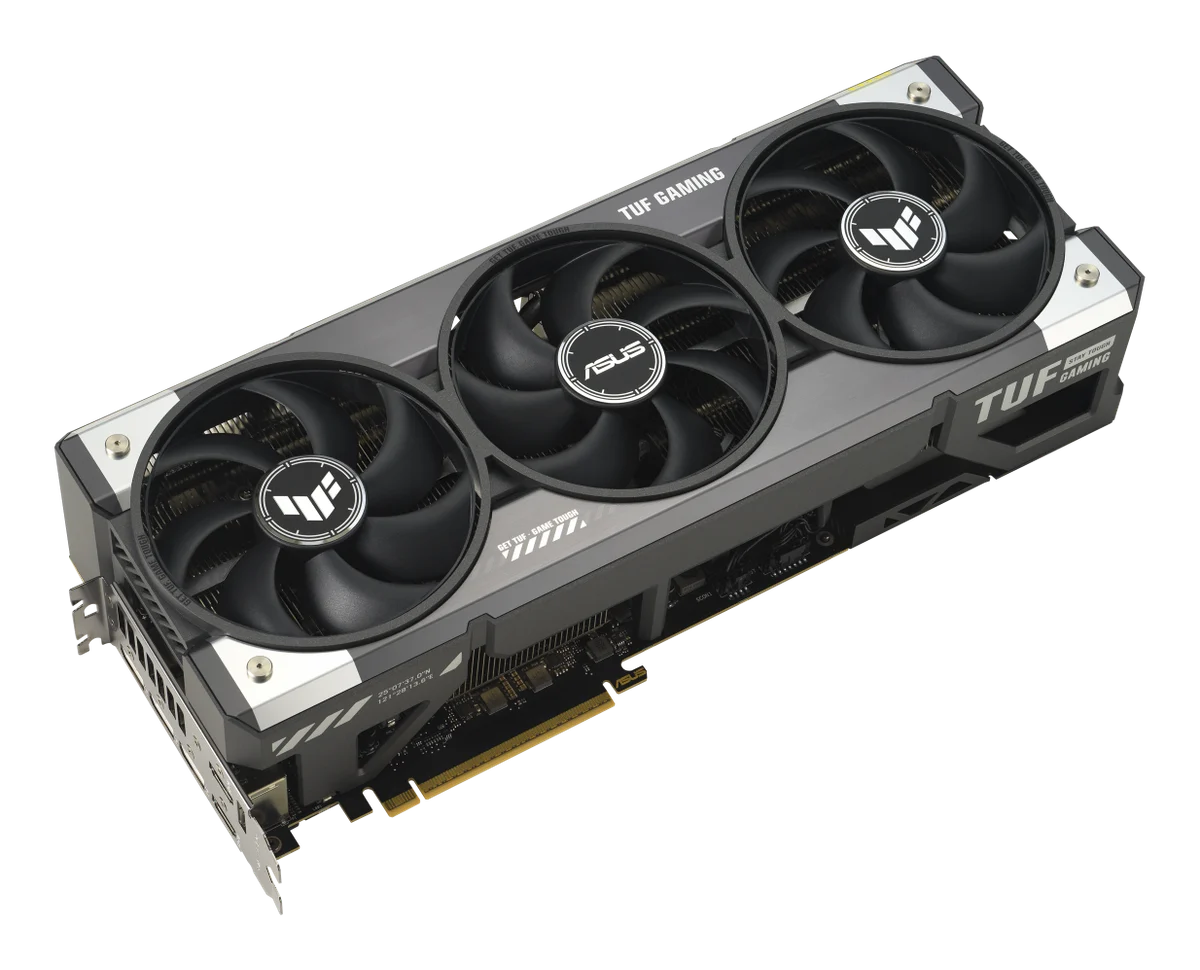
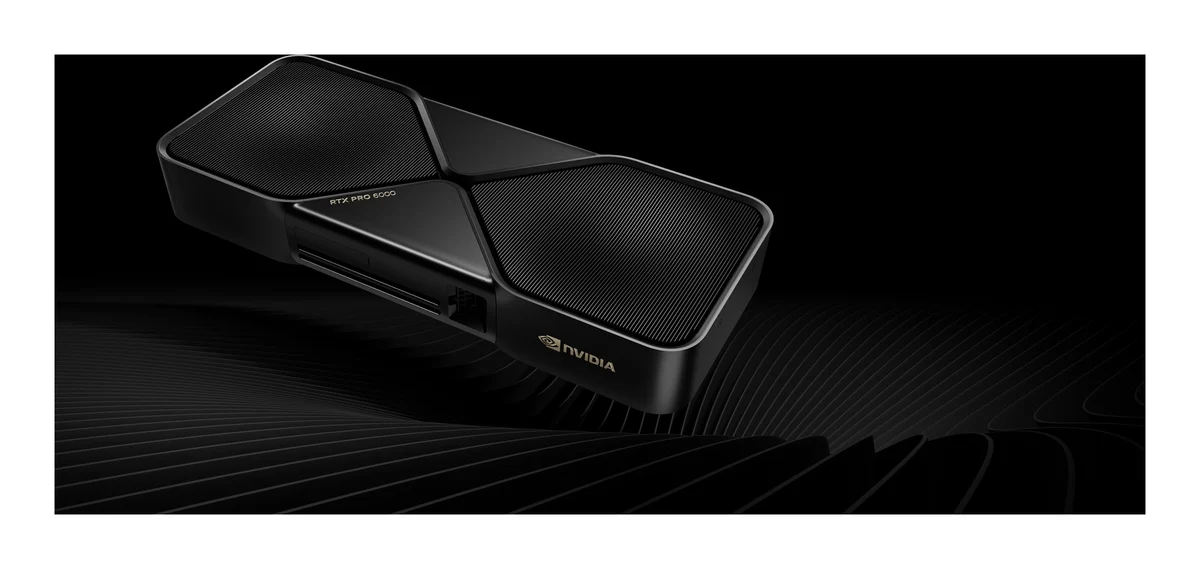
InnoReviews verdict
NVIDIA GeForce RTX 5090 D wins this graphics card face-off, 83.4 to 80.7, pulling ahead mainly in rasterization (+8) and compute (+6). NVIDIA RTX PRO 6000 Blackwell Workstation Edition is the better pick for 3DMark Speed Way and VRAM.
Key differences
Reasons to pick the NVIDIA GeForce RTX 5090 D
- 13% higher 3DMark Time Spy: 47,666 vs 42,066
- 12% higher PassMark G3D: 42,260 vs 37,590
Reasons to pick the NVIDIA RTX PRO 6000 Blackwell Workstation Edition
- 6% higher 3DMark Speed Way: 15,605 vs 14,700
- 200% higher VRAM: 96 GB vs 32 GB
- 11% higher shading units: 24,064 vs 21,760
NVIDIA GeForce RTX 5090 D vs NVIDIA RTX PRO 6000 Blackwell Workstation Edition: benchmarks
Published results for both, side by side
3DMark Time Spy
- NVIDIA GeForce RTX 5090 D47,666
- NVIDIA RTX PRO 6000 Blackwell Workstation Edition42,066
Published 3DMark results (Wild Life Extreme for chips, the Time Spy Graphics score for graphics cards): review runs where we found them, otherwise typical published figures.
PassMark G3D
- NVIDIA GeForce RTX 5090 D42,260
- NVIDIA RTX PRO 6000 Blackwell Workstation Edition37,590
PassMark's published G3D Mark for the graphics card.
Which would you pick?
NVIDIA GeForce RTX 5090 D vs NVIDIA RTX PRO 6000 Blackwell Workstation Edition: full specs
General
| Spec | NVIDIA GeForce RTX 5090 D | NVIDIA RTX PRO 6000 Blackwell Workstation Edition |
|---|---|---|
| Announced | 2025 | 2025 |
| Architecture | Blackwell | Blackwell |
| Process | 5 nm | 5 nm |
| TDP | 575 W+4% | 600 W |
| Power connector | — | 1x 16-pin |
Cores & Clocks
| Spec | NVIDIA GeForce RTX 5090 D | NVIDIA RTX PRO 6000 Blackwell Workstation Edition |
|---|---|---|
| Shading units | 21,760 | 24,064+11% |
| RT cores | — | 188 |
| Tensor / AI cores | — | 752 |
| Base clock | 2,010 MHz | — |
| Boost clock | 2,410 MHz | 2,617 MHz+9% |
Memory
| Spec | NVIDIA GeForce RTX 5090 D | NVIDIA RTX PRO 6000 Blackwell Workstation Edition |
|---|---|---|
| VRAM | 32 GB | 96 GB+200% |
| VRAM type | GDDR7 | GDDR7 |
| Bus width | 512 bit | 512 bit |
| Bandwidth | 1,792 GB/s | 1,792 GB/s |
Benchmarks
| Spec | NVIDIA GeForce RTX 5090 D | NVIDIA RTX PRO 6000 Blackwell Workstation Edition |
|---|---|---|
| 3DMark Time Spy | 47,666+13%Top 1% | 42,066Top 3% |
| 3DMark Speed Way | 14,700Top 3% | 15,605+6%Top 2% |
| PassMark G3D | 42,260+12%Top 1% | 37,590Top 4% |
Features
| Spec | NVIDIA GeForce RTX 5090 D | NVIDIA RTX PRO 6000 Blackwell Workstation Edition |
|---|---|---|
| Upscaling | DLSS 4 | DLSS 4 |
Quick answers
Which is better: NVIDIA GeForce RTX 5090 D or NVIDIA RTX PRO 6000 Blackwell Workstation Edition?
NVIDIA GeForce RTX 5090 D wins this graphics card face-off, 83.4 to 80.7, pulling ahead mainly in rasterization (+8) and compute (+6). NVIDIA RTX PRO 6000 Blackwell Workstation Edition is the better pick for 3DMark Speed Way and VRAM.
How do the scores compare?
NVIDIA GeForce RTX 5090 D scores 83.4/100 overall; NVIDIA RTX PRO 6000 Blackwell Workstation Edition scores 80.7/100. NVIDIA GeForce RTX 5090 D wins 3 individual spec rows, NVIDIA RTX PRO 6000 Blackwell Workstation Edition wins 4.
What are the main differences between the NVIDIA GeForce RTX 5090 D and the NVIDIA RTX PRO 6000 Blackwell Workstation Edition?
NVIDIA GeForce RTX 5090 D advantages: 13% higher 3DMark Time Spy: 47,666 vs 42,066; 12% higher PassMark G3D: 42,260 vs 37,590. NVIDIA RTX PRO 6000 Blackwell Workstation Edition advantages: 6% higher 3DMark Speed Way: 15,605 vs 14,700; 200% higher VRAM: 96 GB vs 32 GB; 11% higher shading units: 24,064 vs 21,760.
Use this on your site or forum
Copy a ready-made link. Scores on this page update as new results are published, so the link always leads to the current figures.