Acer Swift 16 AI (SF16-71T) vs Dell XPS 14 (2026)
Acer Swift 16 AI (SF16-71T): Intel Core Ultra X7 358H, released Mar 15, 2026, $1,800
Dell XPS 14 (2026): Intel Core Ultra X7 358H, released Jan 6, 2026, $2,050
The Acer Swift 16 AI (SF16-71T) is 2 months newer.
Both use the Intel Core Ultra X7 358H, so raw chip performance is the same; the differences come from cooling, memory and the rest of the hardware.
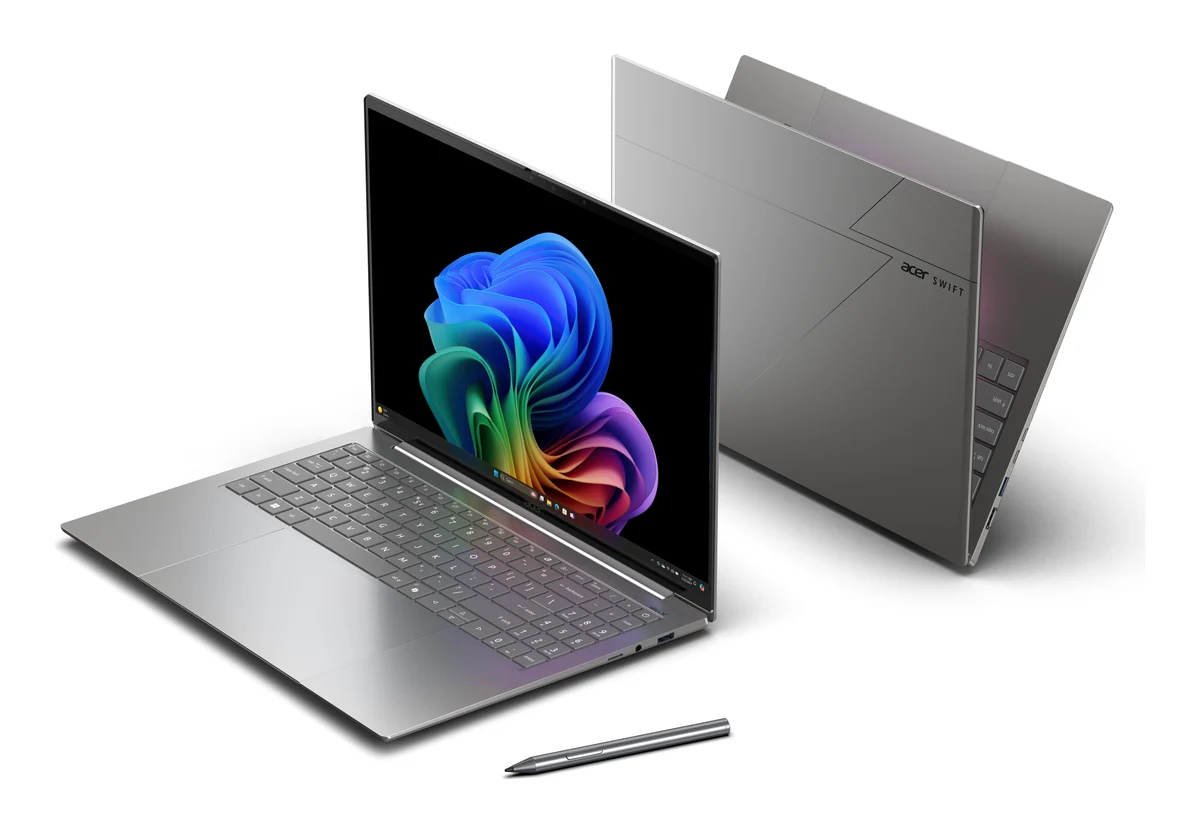
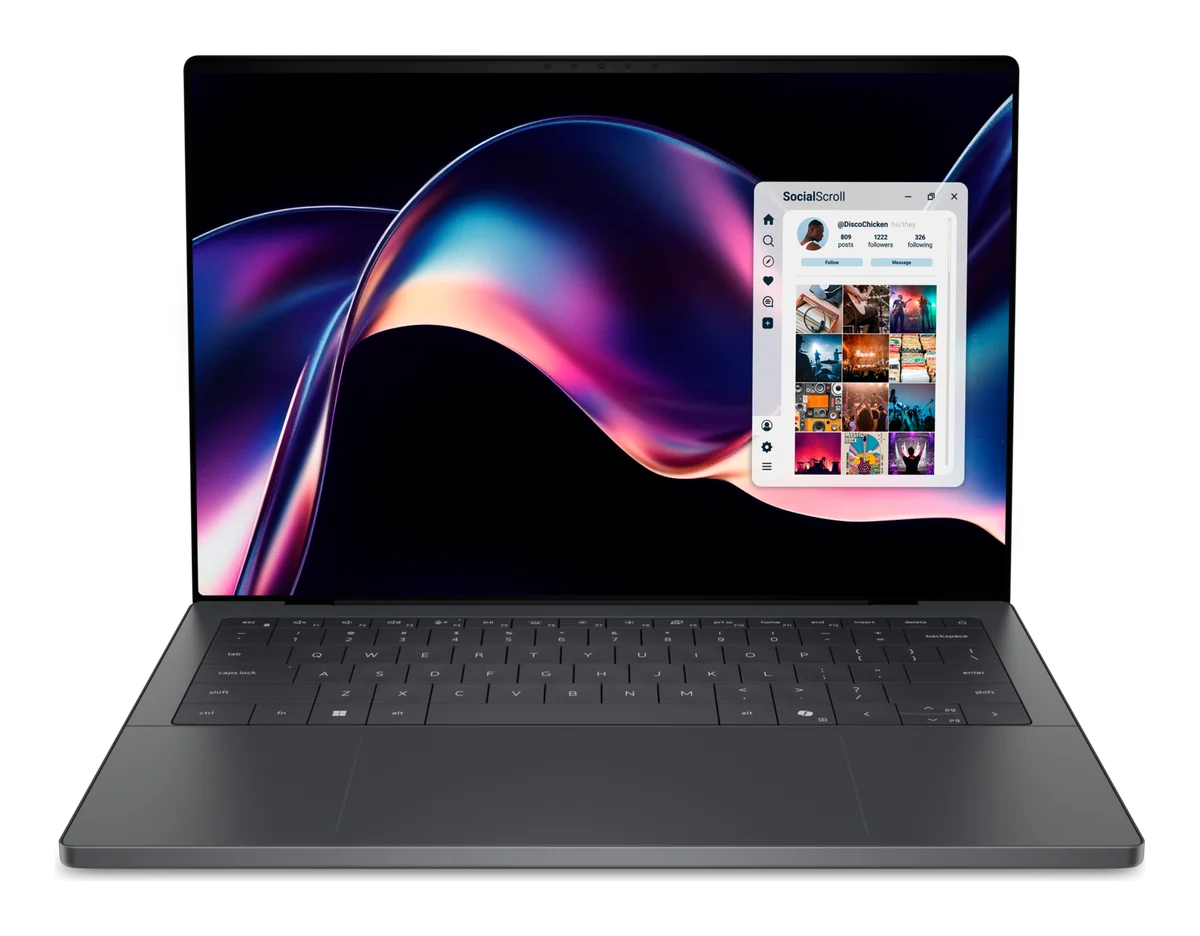
InnoReviews verdict
This one is close to a dead heat: Acer Swift 16 AI (SF16-71T) scores 60.9 against 59.5 for Dell XPS 14 (2026). Pick by the categories that matter to you, or by price.
Key differences
Reasons to pick the Acer Swift 16 AI (SF16-71T)
- 14% higher screen size: 16 ″ vs 14 ″
- Lower launch price: $1,800 vs $2,050
Reasons to pick the Dell XPS 14 (2026)
- 6% higher Geekbench 6 (multi): 17,121 vs 16,161
- 23% higher peak brightness: 500 nits vs 405 nits
- 11% lower weight: 1.38 kg vs 1.55 kg
Which would you pick?
Acer Swift 16 AI (SF16-71T) vs Dell XPS 14 (2026): full specs
Display
| Spec | Acer Swift 16 AI (SF16-71T) | Dell XPS 14 (2026) |
|---|---|---|
| Screen size | 16 ″+14% | 14 ″ |
| Panel type | OLED touchscreen (VESA DisplayHDR True Black 500) | IPS LCD |
| Resolution | 2880x1800 | 1920x1200 |
| Refresh rate | 120 Hz | 120 Hz |
| Peak brightness | 405 nits | 500 nits+23% |
Performance
| Spec | Acer Swift 16 AI (SF16-71T) | Dell XPS 14 (2026) |
|---|---|---|
| Processor | Intel Core Ultra X7 358H | Intel Core Ultra X7 358H |
| Graphics | Intel Arc B390 | Intel Arc B390 |
| RAM | 32 GB | 32 GB |
| RAM type | LPDDR5X (7467 MT/s) | LPDDR5X-9600 |
| Storage | 1,024 GB+2% | 1,000 GB |
| Storage type | M.2 NVMe SSD | PCIe 4.0 NVMe SSD |
Benchmarks
| Spec | Acer Swift 16 AI (SF16-71T) | Dell XPS 14 (2026) |
|---|---|---|
| Geekbench 6 (single) | 2,864Top 42% | 2,927+2%Top 28% |
| Geekbench 6 (multi) | 16,161Top 31% | 17,121+6%Top 24% |
Battery
| Spec | Acer Swift 16 AI (SF16-71T) | Dell XPS 14 (2026) |
|---|---|---|
| Capacity | 70 Wh | 70 Wh |
| Web browsing endurance | 16.3 h | — |
| Charging | 100 W | 100 W |
Design
| Spec | Acer Swift 16 AI (SF16-71T) | Dell XPS 14 (2026) |
|---|---|---|
| Weight | 1.55 kg | 1.38 kg+11% |
| Thickness | 14.9 mm+2% | 15.2 mm |
| Material | Aluminum | CNC machined aluminum, Gorilla Glass 3 palm rest |
Connectivity
| Spec | Acer Swift 16 AI (SF16-71T) | Dell XPS 14 (2026) |
|---|---|---|
| Ports | 2x Thunderbolt 4 (USB-C), 1x USB-A 3.2 Gen 2 (10Gbps), 1x USB-A 3.2 Gen 1 (5Gbps), HDMI 2.1, microSD card reader, 3.5mm audio jack | 3x Thunderbolt 4 (USB-C, DisplayPort 2.1, Power Delivery), 3.5mm audio jack |
| Wi-Fi | Wi-Fi 7 (Intel Killer BE1775s) | Wi-Fi 7 |
| Bluetooth | 5.4 | 6.0 |
| Webcam | FHD 1080p IR with privacy shutter | 8MP (1440p video) + IR camera |
| Biometrics | IR face recognition (Windows Hello), no fingerprint reader | Windows Hello facial recognition |
Software
| Spec | Acer Swift 16 AI (SF16-71T) | Dell XPS 14 (2026) |
|---|---|---|
| Operating system | Windows 11 Home | Windows 11 Home |
Quick answers
Which is better: Acer Swift 16 AI (SF16-71T) or Dell XPS 14 (2026)?
This one is close to a dead heat: Acer Swift 16 AI (SF16-71T) scores 60.9 against 59.5 for Dell XPS 14 (2026). Pick by the categories that matter to you, or by price.
How do the scores compare?
Acer Swift 16 AI (SF16-71T) scores 60.9/100 overall; Dell XPS 14 (2026) scores 59.5/100. Acer Swift 16 AI (SF16-71T) wins 3 individual spec rows, Dell XPS 14 (2026) wins 4.
What are the main differences between the Acer Swift 16 AI (SF16-71T) and the Dell XPS 14 (2026)?
Acer Swift 16 AI (SF16-71T) advantages: 14% higher screen size: 16 ″ vs 14 ″; Lower launch price: $1,800 vs $2,050. Dell XPS 14 (2026) advantages: 6% higher Geekbench 6 (multi): 17,121 vs 16,161; 23% higher peak brightness: 500 nits vs 405 nits; 11% lower weight: 1.38 kg vs 1.55 kg.
Which is cheaper: Acer Swift 16 AI (SF16-71T) or Dell XPS 14 (2026)?
Acer Swift 16 AI (SF16-71T) launched cheaper at $1,800, versus $2,050 for the Dell XPS 14 (2026).
Use this on your site or forum
Copy a ready-made link. Scores on this page update as new results are published, so the link always leads to the current figures.