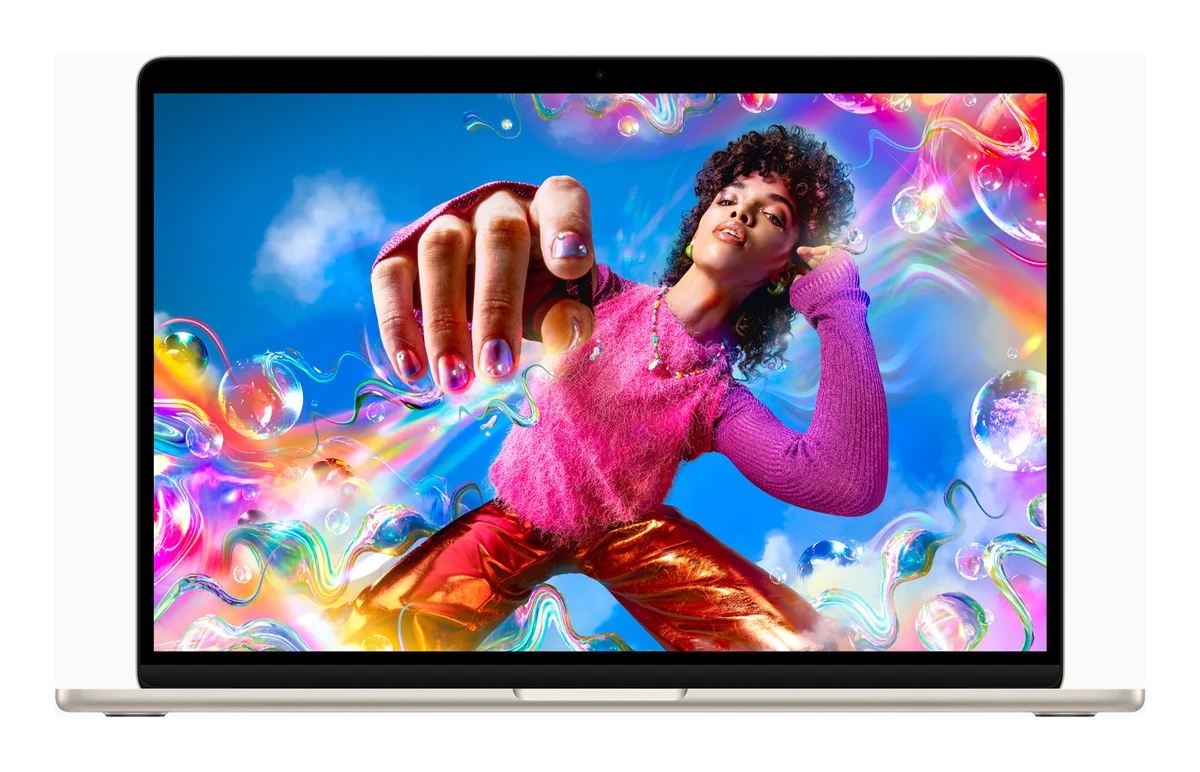
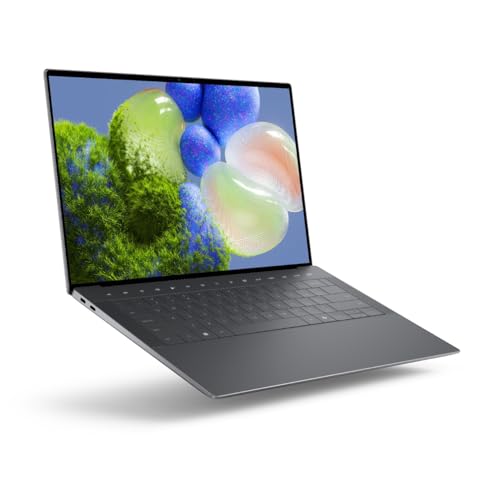
Apple MacBook Air 15 (M2) vs Dell XPS 14 (9440)
Apple MacBook Air 15 (M2): Apple M2 (8-core), released Jun 13, 2023, $1,299
Dell XPS 14 (9440): Intel Core Ultra 7 155H, released Feb 27, 2024, $1,499
The Dell XPS 14 (9440) is 9 months newer.
Chip vs chip: Apple M2 (8-core) vs Intel Core Ultra 7 155H →
InnoReviews verdict
Dell XPS 14 (9440) wins this laptop face-off, 51.3 to 49.3, pulling ahead mainly in performance (+7). Apple MacBook Air 15 (M2) still makes sense if its price or standout specs fit your needs better.
Key differences
Reasons to pick the Apple MacBook Air 15 (M2)
- 50% higher web browsing endurance: 15 h vs 10 h
- 36% lower thickness: 11.5 mm vs 18 mm
- 10% lower weight: 1.51 kg vs 1.68 kg
- Lower launch price: $1,299 vs $1,499
Reasons to pick the Dell XPS 14 (9440)
- Stronger performance score: 40 vs 33
- 186% higher charging: 100 W vs 35 W
- 100% higher refresh rate: 120 Hz vs 60 Hz
- 100% higher RAM: 16 GB vs 8 GB
- 100% higher storage: 512 GB vs 256 GB
Which would you pick?
Apple MacBook Air 15 (M2) vs Dell XPS 14 (9440): full specs
Display
| Spec | Apple MacBook Air 15 (M2) | Dell XPS 14 (9440) |
|---|---|---|
| Screen size | 15.3 ″+6% | 14.5 ″ |
| Panel type | IPS (Liquid Retina) | IPS (3.2K OLED optional) |
| Resolution | 2880x1864 | 1920x1200 |
| Refresh rate | 60 Hz | 120 Hz+100% |
| Peak brightness | 500 nits | 500 nits |
Performance
| Spec | Apple MacBook Air 15 (M2) | Dell XPS 14 (9440) |
|---|---|---|
| Processor | Apple M2 (8-core) | Intel Core Ultra 7 155H |
| Graphics | Apple M2 10-core GPU | Intel Arc (RTX 4050 optional) |
| RAM | 8 GB | 16 GB+100% |
| RAM type | LPDDR5 (unified) | LPDDR5X-6400 |
| Storage | 256 GB | 512 GB+100% |
| Storage type | SSD | PCIe 4.0 NVMe SSD |
Benchmarks
| Spec | Apple MacBook Air 15 (M2) | Dell XPS 14 (9440) |
|---|---|---|
| Geekbench 6 (single) | 2,631Bottom 31% | — |
| Geekbench 6 (multi) | 10,087Bottom 11% | — |
| 3DMark Time Spy Graphics (GPU) | — | 8,204Bottom 7% |
Battery
| Spec | Apple MacBook Air 15 (M2) | Dell XPS 14 (9440) |
|---|---|---|
| Capacity | 66.5 Wh | 69.5 Wh+5% |
| Web browsing endurance | 15 h+50% | 10 h |
| Charging | 35 W | 100 W+186% |
Design
| Spec | Apple MacBook Air 15 (M2) | Dell XPS 14 (9440) |
|---|---|---|
| Weight | 1.51 kg+10% | 1.68 kg |
| Thickness | 11.5 mm+36% | 18 mm |
| Material | Aluminum | CNC aluminum |
Connectivity
| Spec | Apple MacBook Air 15 (M2) | Dell XPS 14 (9440) |
|---|---|---|
| Ports | 2x Thunderbolt 3 / USB 4, MagSafe 3, 3.5mm | 3x Thunderbolt 4, microSD, 3.5mm |
| Wi-Fi | Wi-Fi 6 | Wi-Fi 7 |
| Bluetooth | 5.3 | 5.4 |
| Webcam | 1080p FaceTime HD | 1080p + IR |
| Biometrics | Touch ID | Fingerprint reader, IR face (Windows Hello) |
Software
| Spec | Apple MacBook Air 15 (M2) | Dell XPS 14 (9440) |
|---|---|---|
| Operating system | macOS Ventura | Windows 11 |
Quick answers
Which is better: Apple MacBook Air 15 (M2) or Dell XPS 14 (9440)?
Dell XPS 14 (9440) wins this laptop face-off, 51.3 to 49.3, pulling ahead mainly in performance (+7). Apple MacBook Air 15 (M2) still makes sense if its price or standout specs fit your needs better.
How do the scores compare?
Apple MacBook Air 15 (M2) scores 49.3/100 overall; Dell XPS 14 (9440) scores 51.3/100. Apple MacBook Air 15 (M2) wins 4 individual spec rows, Dell XPS 14 (9440) wins 5.
What are the main differences between the Apple MacBook Air 15 (M2) and the Dell XPS 14 (9440)?
Apple MacBook Air 15 (M2) advantages: 50% higher web browsing endurance: 15 h vs 10 h; 36% lower thickness: 11.5 mm vs 18 mm; 10% lower weight: 1.51 kg vs 1.68 kg; Lower launch price: $1,299 vs $1,499. Dell XPS 14 (9440) advantages: Stronger performance score: 40 vs 33; 186% higher charging: 100 W vs 35 W; 100% higher refresh rate: 120 Hz vs 60 Hz; 100% higher RAM: 16 GB vs 8 GB; 100% higher storage: 512 GB vs 256 GB.
Which is cheaper: Apple MacBook Air 15 (M2) or Dell XPS 14 (9440)?
Apple MacBook Air 15 (M2) launched cheaper at $1,299, versus $1,499 for the Dell XPS 14 (9440).
Use this on your site or forum
Copy a ready-made link. Scores on this page update as new results are published, so the link always leads to the current figures.