ASUS ROG Strix G16 (2025) vs Lenovo Legion 9i Gen 10 (18IAX10)
ASUS ROG Strix G16 (2025): Intel Core Ultra 9 275HX, released Mar 28, 2025, $2,699
Lenovo Legion 9i Gen 10 (18IAX10): Intel Core Ultra 9 275HX, released Jun 1, 2025, $3,789
The Lenovo Legion 9i Gen 10 (18IAX10) is 2 months newer.
Both use the Intel Core Ultra 9 275HX, so raw chip performance is the same; the differences come from cooling, memory and the rest of the hardware.
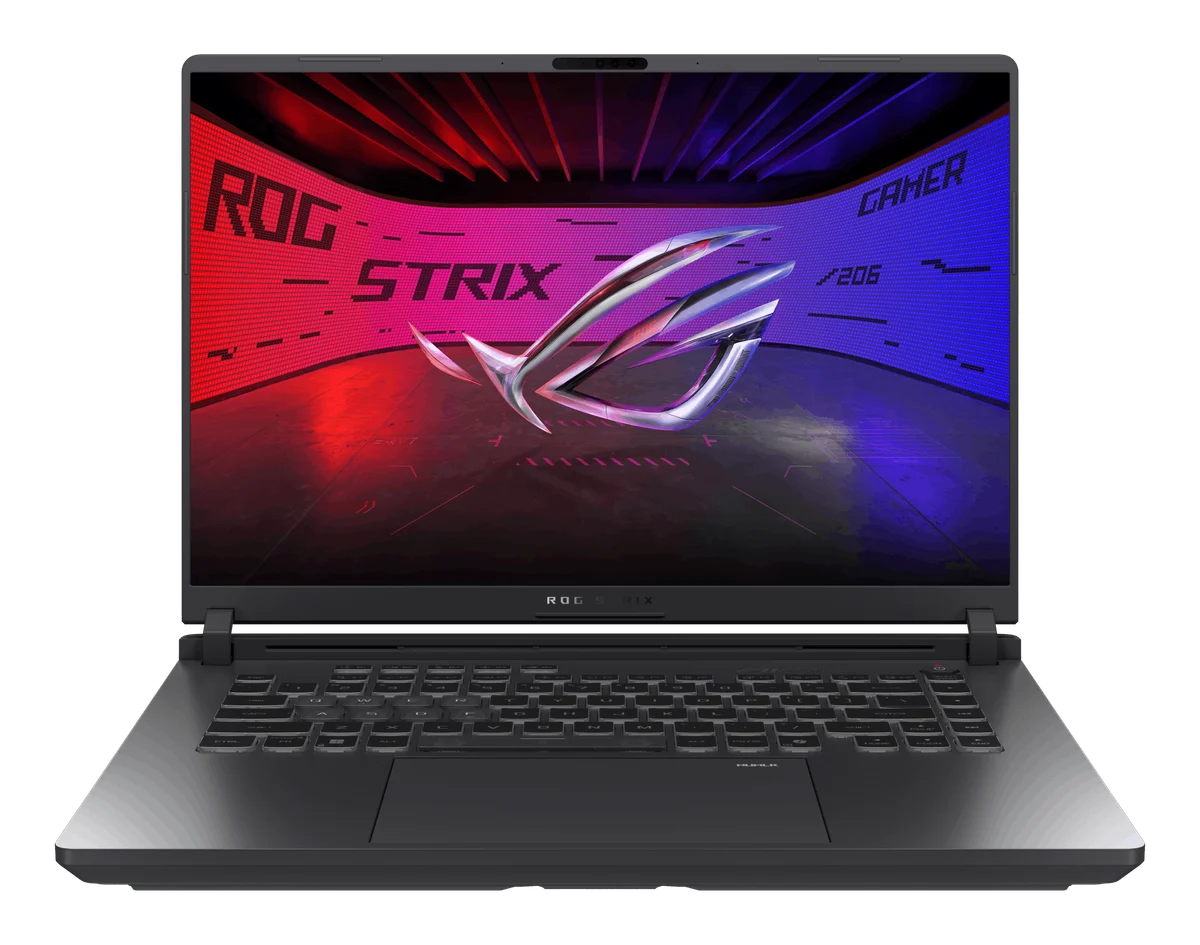
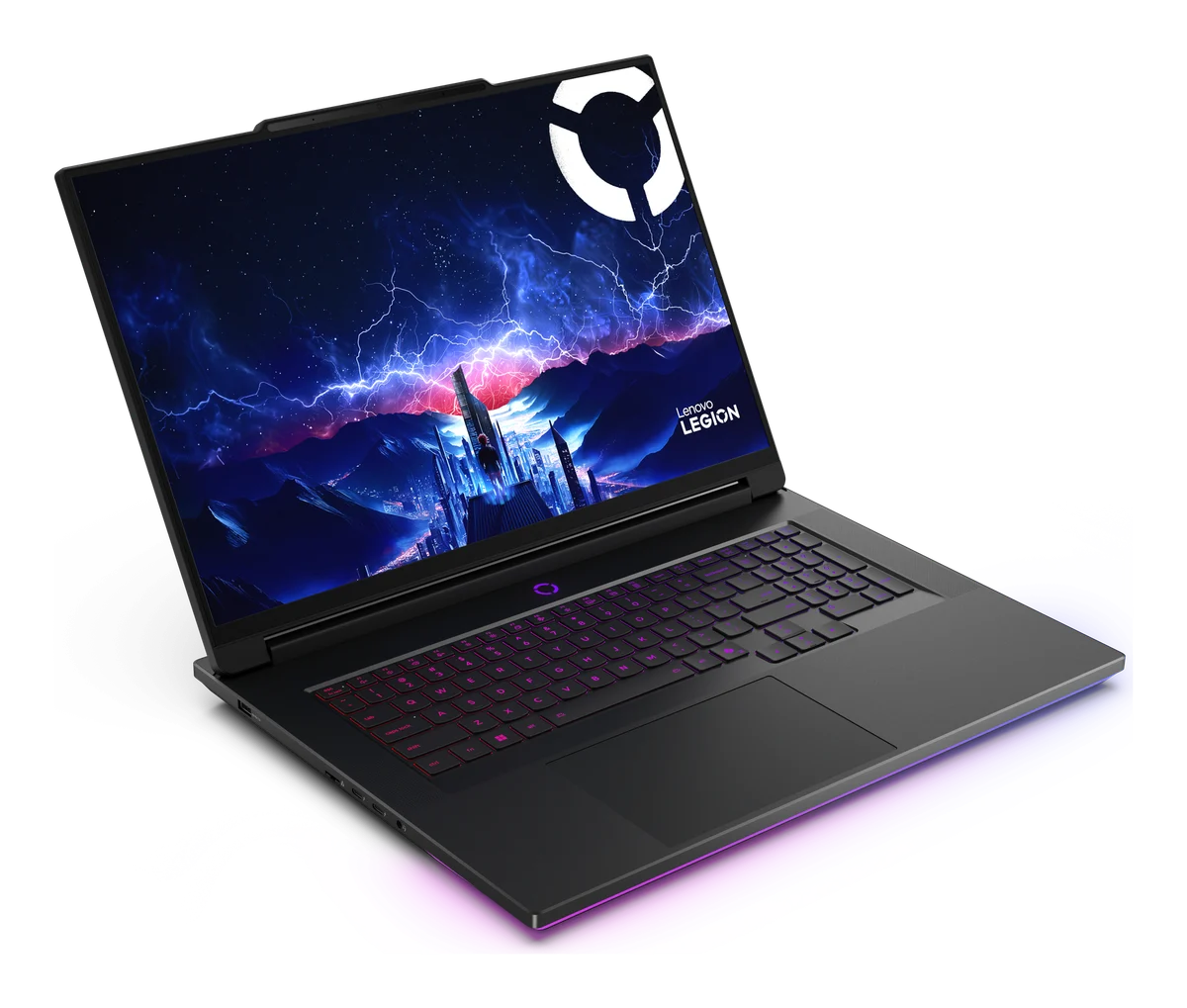
InnoReviews verdictToo close to call
This one is close to a dead heat: ASUS ROG Strix G16 (2025) scores 58.6 against 59 for Lenovo Legion 9i Gen 10 (18IAX10). Pick by the categories that matter to you — Lenovo Legion 9i Gen 10 (18IAX10) edges ahead in performance, or by price.
Key differences
Reasons to pick the ASUS ROG Strix G16 (2025)
- 0.85 kg lighter: 2.65 kg vs 3.5 kg
- Lower launch price: $2,699 vs $3,789
Reasons to pick the Lenovo Legion 9i Gen 10 (18IAX10)
- Stronger performance score: 71 vs 63
- 100% higher storage: 2,048 GB vs 1,024 GB
- 13% higher screen size: 18 ″ vs 16 ″
- 11% higher capacity: 99.9 Wh vs 90 Wh
- 100% higher RAM: 64 GB vs 32 GB
ASUS ROG Strix G16 (2025) vs Lenovo Legion 9i Gen 10 (18IAX10): benchmarks
Published results for both, side by side
Geekbench 6 (single)
- Lenovo Legion 9i Gen 10 (18IAX10)3,062
- ASUS ROG Strix G16 (2025)3,012
Published results: review runs where we found them, otherwise typical published figures. A chip's figure is normally the median of review runs on devices with that chip.
Geekbench 6 (multi)
- Lenovo Legion 9i Gen 10 (18IAX10)20,352
- ASUS ROG Strix G16 (2025)19,535
Published results: review runs where we found them, otherwise typical published figures. A chip's figure is normally the median of review runs on devices with that chip.
Which would you pick?
ASUS ROG Strix G16 (2025) vs Lenovo Legion 9i Gen 10 (18IAX10): full specs
Display
| Spec | ASUS ROG Strix G16 (2025) | Lenovo Legion 9i Gen 10 (18IAX10) |
|---|---|---|
| Screen size | 16 ″ | 18 ″+13% |
| Panel type | IPS-level anti-glare (ROG Nebula, G-SYNC) | IPS (glossy, non-touch, G-SYNC, DisplayHDR 400) |
| Resolution | 2560x1600 | 3840x2400 |
| Refresh rate | 240 Hz | 240 Hz |
| Peak brightness | 500 nits | 520 nits+4% |
Performance
| Spec | ASUS ROG Strix G16 (2025) | Lenovo Legion 9i Gen 10 (18IAX10) |
|---|---|---|
| Processor | Intel Core Ultra 9 275HX | Intel Core Ultra 9 275HX |
| Graphics | NVIDIA GeForce RTX 5080 Laptop GPU | NVIDIA GeForce RTX 5080 Laptop GPU (175W) |
| RAM | 32 GB | 64 GB+100% |
| RAM type | DDR5-5600 SO-DIMM (2x16GB, up to 64GB) | DDR5-5200 (2x SO-DIMM; 4 slots total) |
| Storage | 1,024 GB | 2,048 GB+100% |
| Storage type | PCIe 4.0 NVMe M.2 SSD | NVMe SSD (4x M.2 2280; one PCIe 5.0 slot, three PCIe 4.0) |
Benchmarks
| Spec | ASUS ROG Strix G16 (2025) | Lenovo Legion 9i Gen 10 (18IAX10) |
|---|---|---|
| Geekbench 6 (single) | 3,012Top 22% | 3,062+2%Top 17% |
| Geekbench 6 (multi) | 19,535Top 13% | 20,352+4%Top 7% |
| 3DMark Time Spy Graphics (GPU) | 22,099Top 9% | 22,099Top 9% |
Battery
| Spec | ASUS ROG Strix G16 (2025) | Lenovo Legion 9i Gen 10 (18IAX10) |
|---|---|---|
| Capacity | 90 Wh | 99.9 Wh+11% |
| Web browsing endurance | — | 5.6 h |
| Charging | 380 W | 400 W+5% |
Design
| Spec | ASUS ROG Strix G16 (2025) | Lenovo Legion 9i Gen 10 (18IAX10) |
|---|---|---|
| Weight | 2.65 kg+24% | 3.5 kg |
| Thickness | 30.8 mm | 28 mm+9% |
| Material | Plastic | Aluminum + forged carbon (top), aluminum (bottom) |
Connectivity
| Spec | ASUS ROG Strix G16 (2025) | Lenovo Legion 9i Gen 10 (18IAX10) |
|---|---|---|
| Ports | 2x Thunderbolt 5, 3x USB-A 3.2 Gen 2, 1x HDMI 2.1, 2.5G Ethernet, 3.5mm audio jack | 2x Thunderbolt 5 (80Gbps, USB PD 95-100W, DisplayPort 2.1), 1x USB-C (10Gbps), 3x USB-A (10Gbps, one always-on), HDMI 2.1 (up to 8K/60Hz), 2.5GbE RJ-45, SD card reader, 3.5mm combo audio jack |
| Wi-Fi | Wi-Fi 7 (802.11be) | Wi-Fi 7 |
| Bluetooth | 5.4 | 5.4 |
| Webcam | 1080p FHD + IR | 5MP + IR with e-shutter |
| Biometrics | IR face (Windows Hello) | IR camera for Windows Hello face recognition (no fingerprint reader) |
Software
| Spec | ASUS ROG Strix G16 (2025) | Lenovo Legion 9i Gen 10 (18IAX10) |
|---|---|---|
| Operating system | Windows 11 Home | Windows 11 (Home or Pro) |
Quick answers
Which is better: ASUS ROG Strix G16 (2025) or Lenovo Legion 9i Gen 10 (18IAX10)?
This one is close to a dead heat: ASUS ROG Strix G16 (2025) scores 58.6 against 59 for Lenovo Legion 9i Gen 10 (18IAX10). Pick by the categories that matter to you — Lenovo Legion 9i Gen 10 (18IAX10) edges ahead in performance, or by price.
How do the scores compare?
ASUS ROG Strix G16 (2025) scores 58.6/100 overall; Lenovo Legion 9i Gen 10 (18IAX10) scores 59/100. ASUS ROG Strix G16 (2025) wins 1 individual spec rows, Lenovo Legion 9i Gen 10 (18IAX10) wins 9.
What are the main differences between the ASUS ROG Strix G16 (2025) and the Lenovo Legion 9i Gen 10 (18IAX10)?
ASUS ROG Strix G16 (2025) advantages: 0.85 kg lighter: 2.65 kg vs 3.5 kg; Lower launch price: $2,699 vs $3,789. Lenovo Legion 9i Gen 10 (18IAX10) advantages: Stronger performance score: 71 vs 63; 100% higher storage: 2,048 GB vs 1,024 GB; 13% higher screen size: 18 ″ vs 16 ″; 11% higher capacity: 99.9 Wh vs 90 Wh; 100% higher RAM: 64 GB vs 32 GB.
Which is cheaper: ASUS ROG Strix G16 (2025) or Lenovo Legion 9i Gen 10 (18IAX10)?
ASUS ROG Strix G16 (2025) launched cheaper at $2,699, versus $3,789 for the Lenovo Legion 9i Gen 10 (18IAX10).
Use this on your site or forum
Copy a ready-made link. Scores on this page update as new results are published, so the link always leads to the current figures.