ASUS TUF Gaming A18 (2025) FA808 vs Lenovo ThinkPad P16v Gen 3
ASUS TUF Gaming A18 (2025) FA808: AMD Ryzen 7 260, released Jun 27, 2025, $1,599
Lenovo ThinkPad P16v Gen 3: Intel Core Ultra 9 285H, released Oct 10, 2025
The Lenovo ThinkPad P16v Gen 3 is 3 months newer.
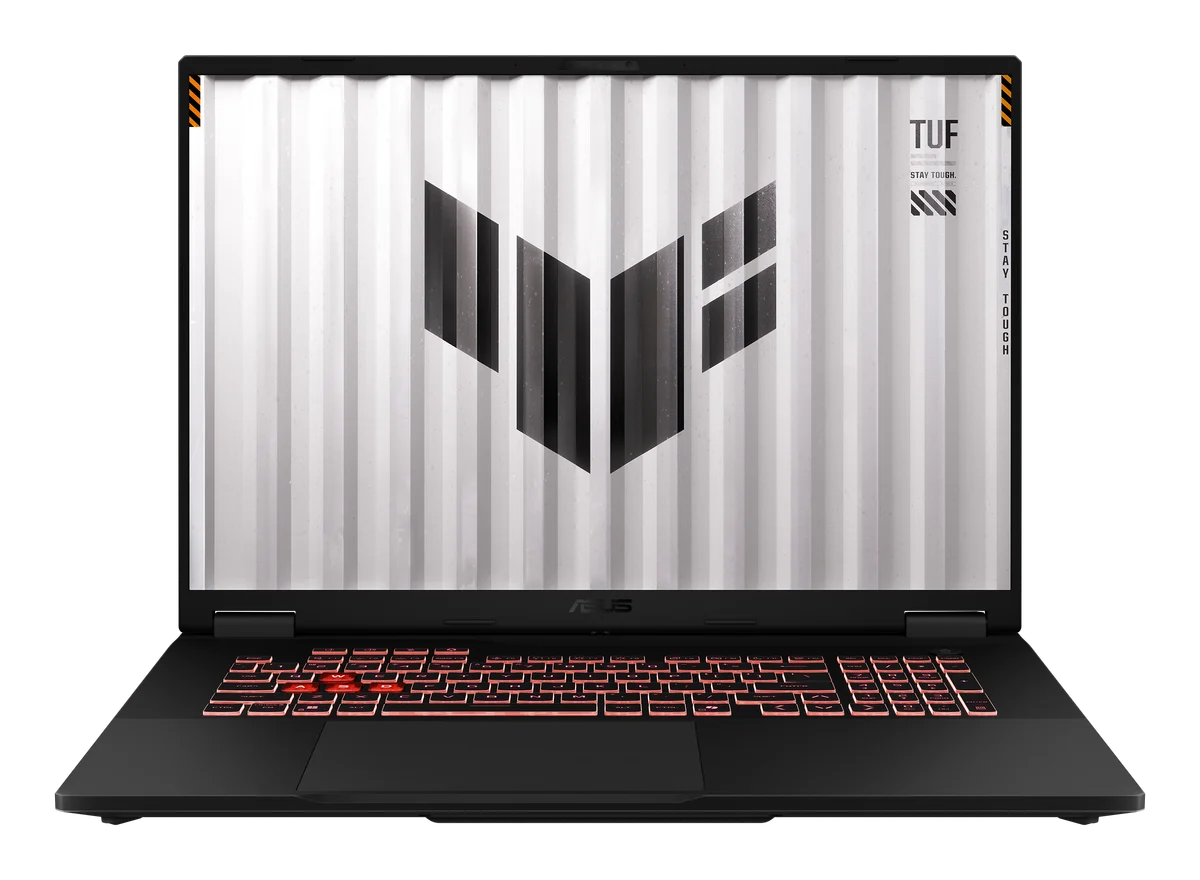
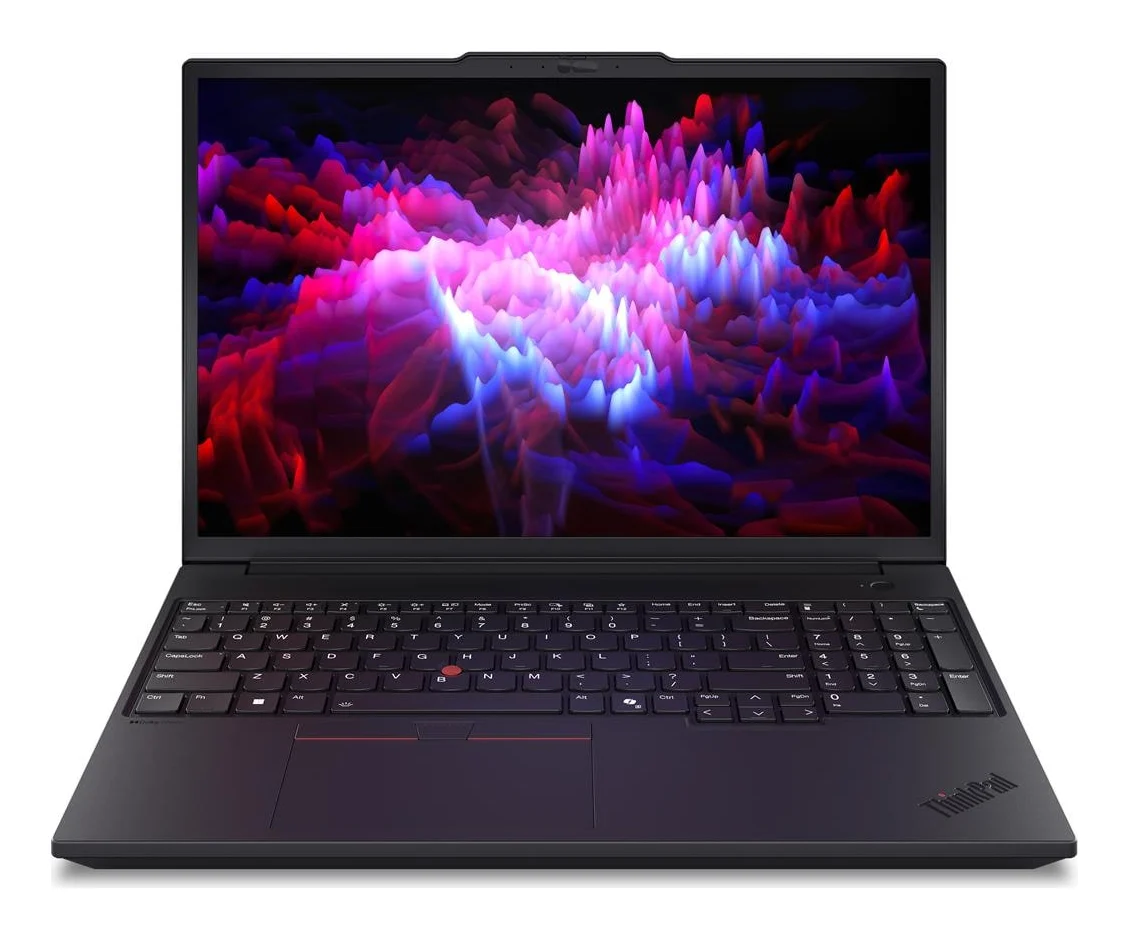
InnoReviews verdictToo close to call
This one is close to a dead heat: ASUS TUF Gaming A18 (2025) FA808 scores 50.8 against 50.3 for Lenovo ThinkPad P16v Gen 3. Pick by the categories that matter to you — ASUS TUF Gaming A18 (2025) FA808 edges ahead in graphics, or by price.
Key differences
Reasons to pick the ASUS TUF Gaming A18 (2025) FA808
- 31% higher 3DMark Time Spy Graphics (GPU): 12,021 vs 9,204
- 140% higher refresh rate: 144 Hz vs 60 Hz
- 71% higher charging: 240 W vs 140 W
- 13% higher screen size: 18 ″ vs 16 ″
Reasons to pick the Lenovo ThinkPad P16v Gen 3
- 24% higher Geekbench 6 (multi): 15,185 vs 12,291
- 10% higher Geekbench 6 (single): 2,921 vs 2,663
- 19% higher peak brightness: 400 nits vs 337 nits
- 0.5 kg lighter: 2.1 kg vs 2.6 kg
- 100% higher RAM: 32 GB vs 16 GB
ASUS TUF Gaming A18 (2025) FA808 vs Lenovo ThinkPad P16v Gen 3: benchmarks
Published results for both, side by side
Geekbench 6 (single)
- Lenovo ThinkPad P16v Gen 32,921
- ASUS TUF Gaming A18 (2025) FA8082,663
Published results: review runs where we found them, otherwise typical published figures. A chip's figure is normally the median of review runs on devices with that chip.
Geekbench 6 (multi)
- Lenovo ThinkPad P16v Gen 315,185
- ASUS TUF Gaming A18 (2025) FA80812,291
Published results: review runs where we found them, otherwise typical published figures. A chip's figure is normally the median of review runs on devices with that chip.
Which would you pick?
ASUS TUF Gaming A18 (2025) FA808 vs Lenovo ThinkPad P16v Gen 3: full specs
Display
| Spec | ASUS TUF Gaming A18 (2025) FA808 | Lenovo ThinkPad P16v Gen 3 |
|---|---|---|
| Screen size | 18 ″+13% | 16 ″ |
| Panel type | IPS-level, anti-glare, G-Sync (100% sRGB) | IPS LCD |
| Resolution | 1920x1200 | 1920x1200 |
| Refresh rate | 144 Hz+140% | 60 Hz |
| Peak brightness | 337 nits | 400 nits+19% |
Performance
| Spec | ASUS TUF Gaming A18 (2025) FA808 | Lenovo ThinkPad P16v Gen 3 |
|---|---|---|
| Processor | AMD Ryzen 7 260 | Intel Core Ultra 9 285H |
| Graphics | NVIDIA GeForce RTX 5060 Laptop GPU (8GB GDDR7, 115W) | NVIDIA RTX PRO 2000 Blackwell Laptop GPU (8GB GDDR7) |
| RAM | 16 GB | 32 GB+100% |
| RAM type | DDR5-5600 (SO-DIMM, 2 slots, up to 64GB) | DDR5 (SODIMM) |
| Storage | 1,024 GB | 1,024 GB |
| Storage type | PCIe 4.0 NVMe M.2 SSD (2 slots) | NVMe SSD (M.2 2280, PCIe 4.0 x4) |
Benchmarks
| Spec | ASUS TUF Gaming A18 (2025) FA808 | Lenovo ThinkPad P16v Gen 3 |
|---|---|---|
| Geekbench 6 (single) | 2,663Bottom 33% | 2,921+10%Top 29% |
| Geekbench 6 (multi) | 12,291Bottom 38% | 15,185+24%Top 36% |
| 3DMark Time Spy Graphics (GPU) | 12,021+31%Bottom 31% | 9,204Bottom 14% |
Battery
| Spec | ASUS TUF Gaming A18 (2025) FA808 | Lenovo ThinkPad P16v Gen 3 |
|---|---|---|
| Capacity | 90 Wh | 90 Wh |
| Web browsing endurance | 13.2 h | — |
| Charging | 240 W+71% | 140 W |
Design
| Spec | ASUS TUF Gaming A18 (2025) FA808 | Lenovo ThinkPad P16v Gen 3 |
|---|---|---|
| Weight | 2.6 kg | 2.1 kg+19% |
| Thickness | 26.7 mm | 26.3 mm+1% |
| Material | Plastic | Aluminum top, PC-ABS bottom |
Connectivity
| Spec | ASUS TUF Gaming A18 (2025) FA808 | Lenovo ThinkPad P16v Gen 3 |
|---|---|---|
| Ports | 1x USB4 Type-C (40Gbps, DisplayPort), 1x USB 3.2 Gen 2 Type-C (DisplayPort with G-Sync, power delivery), 2x USB 3.2 Gen 2 Type-A, 1x USB 2.0 Type-A, 1x HDMI 2.1 FRL, 1x RJ45 Gigabit LAN, 3.5mm combo audio jack | 2x Thunderbolt 4 (USB PD 3.1), 2x USB-A (5Gbps, one always-on), HDMI 2.1 (up to 8K/60Hz), Gigabit Ethernet (RJ-45), SD Express 7.0 card reader, 3.5mm combo audio jack |
| Wi-Fi | Wi-Fi 6E (802.11ax) | Wi-Fi 7 |
| Bluetooth | 5.4 | 5.4 |
| Webcam | FHD (1080p) with IR | 5.0MP with privacy shutter (IR optional) |
| Biometrics | IR camera for Windows Hello face login | Fingerprint reader in power button; optional IR camera for Windows Hello face recognition |
Software
| Spec | ASUS TUF Gaming A18 (2025) FA808 | Lenovo ThinkPad P16v Gen 3 |
|---|---|---|
| Operating system | Windows 11 Home | Windows 11 Pro |
Quick answers
Which is better: ASUS TUF Gaming A18 (2025) FA808 or Lenovo ThinkPad P16v Gen 3?
This one is close to a dead heat: ASUS TUF Gaming A18 (2025) FA808 scores 50.8 against 50.3 for Lenovo ThinkPad P16v Gen 3. Pick by the categories that matter to you — ASUS TUF Gaming A18 (2025) FA808 edges ahead in graphics, or by price.
How do the scores compare?
ASUS TUF Gaming A18 (2025) FA808 scores 50.8/100 overall; Lenovo ThinkPad P16v Gen 3 scores 50.3/100. ASUS TUF Gaming A18 (2025) FA808 wins 4 individual spec rows, Lenovo ThinkPad P16v Gen 3 wins 6.
What are the main differences between the ASUS TUF Gaming A18 (2025) FA808 and the Lenovo ThinkPad P16v Gen 3?
ASUS TUF Gaming A18 (2025) FA808 advantages: 31% higher 3DMark Time Spy Graphics (GPU): 12,021 vs 9,204; 140% higher refresh rate: 144 Hz vs 60 Hz; 71% higher charging: 240 W vs 140 W; 13% higher screen size: 18 ″ vs 16 ″. Lenovo ThinkPad P16v Gen 3 advantages: 24% higher Geekbench 6 (multi): 15,185 vs 12,291; 10% higher Geekbench 6 (single): 2,921 vs 2,663; 19% higher peak brightness: 400 nits vs 337 nits; 0.5 kg lighter: 2.1 kg vs 2.6 kg; 100% higher RAM: 32 GB vs 16 GB.
Use this on your site or forum
Copy a ready-made link. Scores on this page update as new results are published, so the link always leads to the current figures.