HP OmniBook Ultra 14 (Snapdragon, 2026) vs Lenovo Yoga Pro 7a 15-inch Gen 11 (15ASH11)
HP OmniBook Ultra 14 (Snapdragon, 2026): Qualcomm Snapdragon X2 Elite X2E-90-100, released Apr 2, 2026, $2,050
Lenovo Yoga Pro 7a 15-inch Gen 11 (15ASH11): AMD Ryzen AI Max+ 388, released Jun 19, 2026, $2,570
The Lenovo Yoga Pro 7a 15-inch Gen 11 (15ASH11) is 3 months newer.
Chip vs chip: Qualcomm Snapdragon X2 Elite X2E-90-100 vs AMD Ryzen AI Max+ 388 →
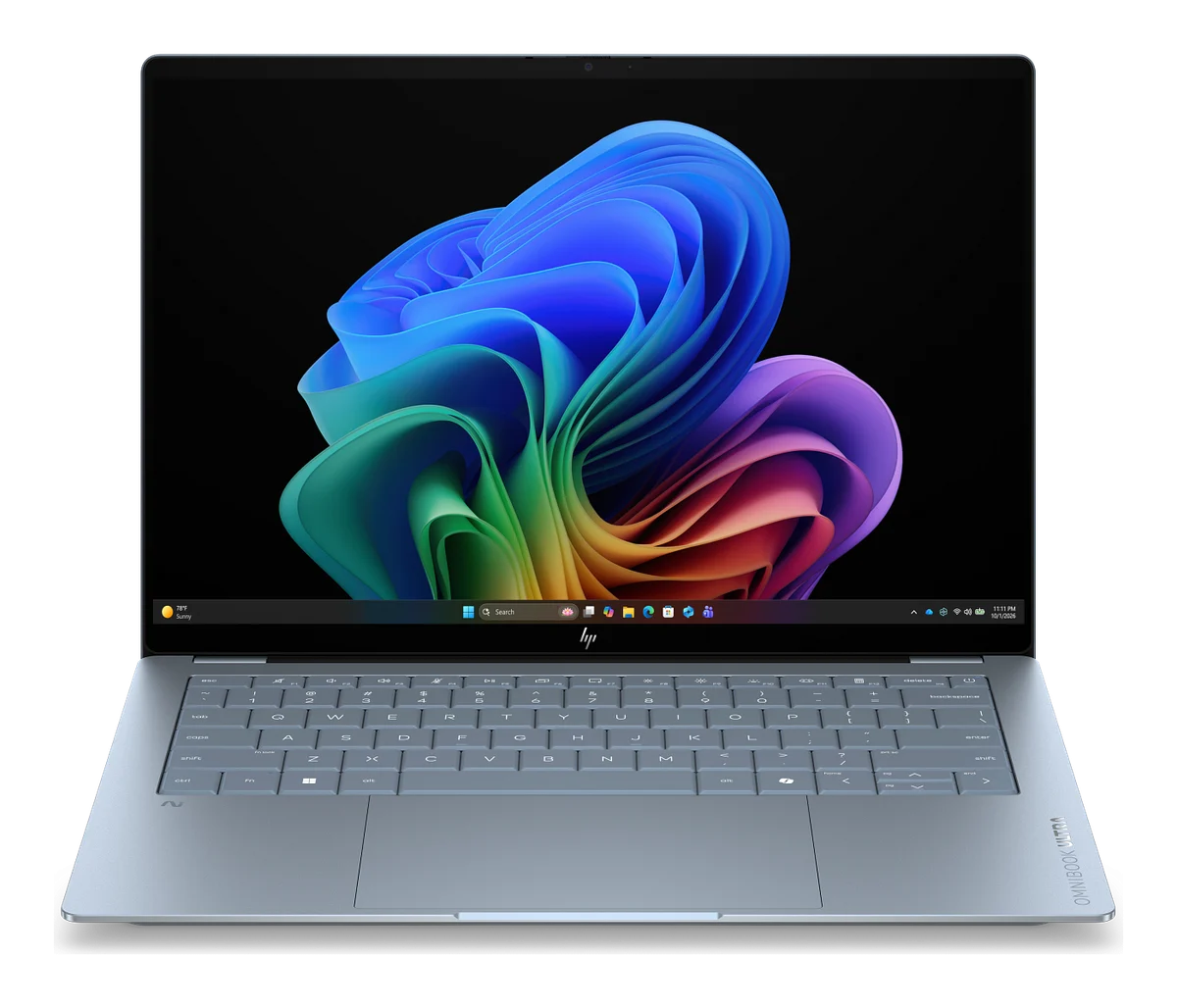
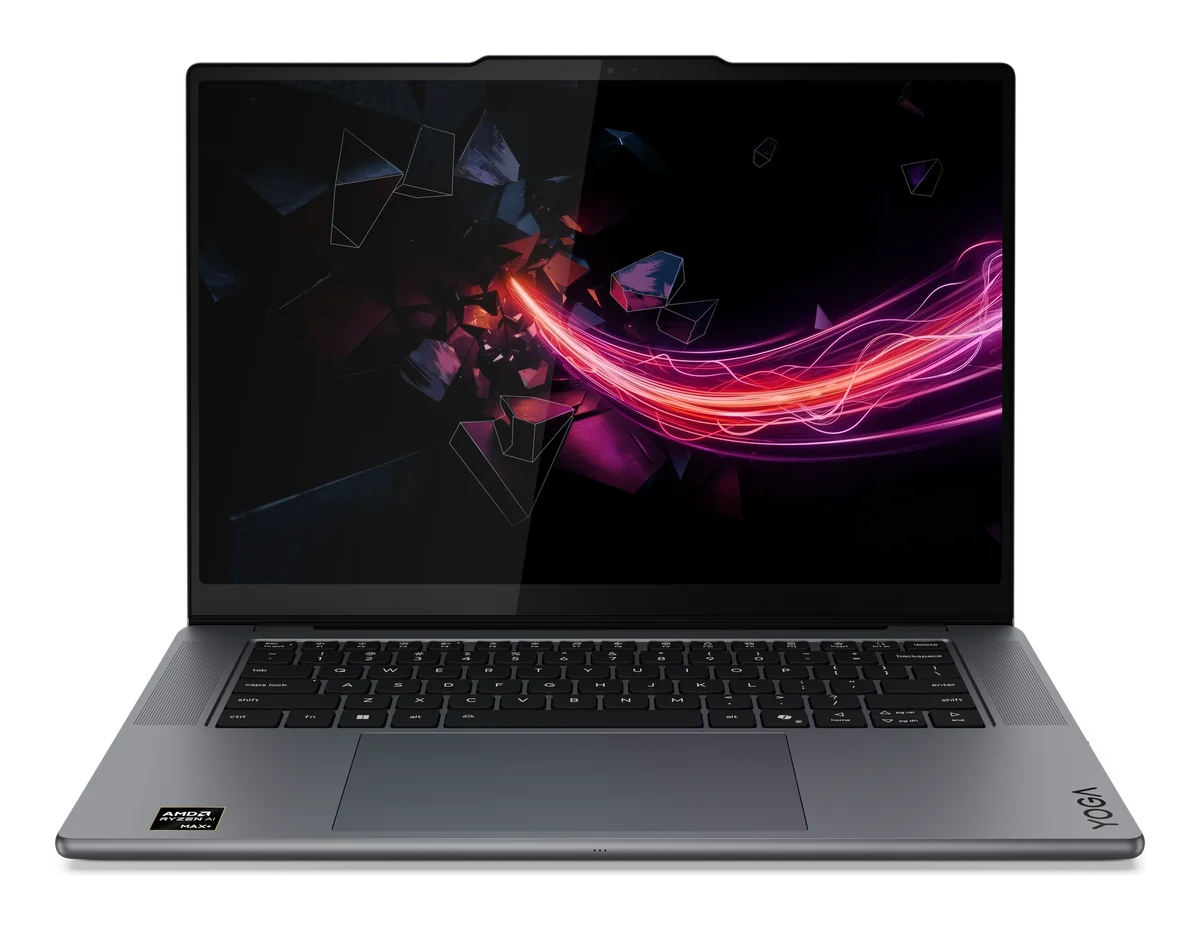
InnoReviews verdict
This one is close to a dead heat: HP OmniBook Ultra 14 (Snapdragon, 2026) scores 67 against 66.6 for Lenovo Yoga Pro 7a 15-inch Gen 11 (15ASH11). Pick by the categories that matter to you — HP OmniBook Ultra 14 (Snapdragon, 2026) edges ahead in performance, or by price.
Key differences
Reasons to pick the HP OmniBook Ultra 14 (Snapdragon, 2026)
- Stronger performance score: 79 vs 53
- 300% higher storage: 2,048 GB vs 512 GB
- 100% higher RAM: 64 GB vs 32 GB
- 36% lower thickness: 10.7 mm vs 16.7 mm
- 25% lower weight: 1.27 kg vs 1.69 kg
- Lower launch price: $2,050 vs $2,570
Reasons to pick the Lenovo Yoga Pro 7a 15-inch Gen 11 (15ASH11)
- Stronger graphics score: 83 vs 61
- 120% higher peak brightness: 1,100 nits vs 500 nits
- 115% higher charging: 140 W vs 65 W
- 38% higher refresh rate: 165 Hz vs 120 Hz
- 20% higher capacity: 84 Wh vs 70 Wh
Which would you pick?
HP OmniBook Ultra 14 (Snapdragon, 2026) vs Lenovo Yoga Pro 7a 15-inch Gen 11 (15ASH11): full specs
Display
| Spec | HP OmniBook Ultra 14 (Snapdragon, 2026) | Lenovo Yoga Pro 7a 15-inch Gen 11 (15ASH11) |
|---|---|---|
| Screen size | 14 ″ | 15.3 ″+9% |
| Panel type | OLED (touch) | OLED |
| Resolution | 2880x1800 | 2560x1600 |
| Refresh rate | 120 Hz | 165 Hz+38% |
| Peak brightness | 500 nits | 1,100 nits+120% |
Performance
| Spec | HP OmniBook Ultra 14 (Snapdragon, 2026) | Lenovo Yoga Pro 7a 15-inch Gen 11 (15ASH11) |
|---|---|---|
| Processor | Qualcomm Snapdragon X2 Elite X2E-90-100 | AMD Ryzen AI Max+ 388 |
| Graphics | Qualcomm Adreno X2-90 (integrated) | AMD Radeon 8060S (integrated) |
| RAM | 64 GB+100% | 32 GB |
| RAM type | LPDDR5x-9523 (onboard) | LPDDR5X-8000 (soldered) |
| Storage | 2,048 GB+300% | 512 GB |
| Storage type | PCIe Gen5 NVMe M.2 SSD | NVMe SSD (M.2 2242, PCIe 4.0 x4) |
Benchmarks
| Spec | HP OmniBook Ultra 14 (Snapdragon, 2026) | Lenovo Yoga Pro 7a 15-inch Gen 11 (15ASH11) |
|---|---|---|
| Geekbench 6 (single) | 3,942Top 3% | — |
| Geekbench 6 (multi) | 20,075Top 9% | — |
Battery
| Spec | HP OmniBook Ultra 14 (Snapdragon, 2026) | Lenovo Yoga Pro 7a 15-inch Gen 11 (15ASH11) |
|---|---|---|
| Capacity | 70 Wh | 84 Wh+20% |
| Web browsing endurance | 13.5 h | — |
| Charging | 65 W | 140 W+115% |
Design
| Spec | HP OmniBook Ultra 14 (Snapdragon, 2026) | Lenovo Yoga Pro 7a 15-inch Gen 11 (15ASH11) |
|---|---|---|
| Weight | 1.27 kg+25% | 1.69 kg |
| Thickness | 10.7 mm+36% | 16.7 mm |
| Material | Sandblasted anodized aluminum chassis with recycled metal content | Aluminum |
Connectivity
| Spec | HP OmniBook Ultra 14 (Snapdragon, 2026) | Lenovo Yoga Pro 7a 15-inch Gen 11 (15ASH11) |
|---|---|---|
| Ports | 3x USB-C (40Gbps, USB Power Delivery 3.1, DisplayPort 1.4), 3.5mm headphone/microphone combo jack | 2x USB4 Type-C (40Gbps, DisplayPort 2.1; one with USB PD up to 180W, one up to 100W), 2x USB-A (10Gbps, one always-on), HDMI 2.1 (up to 8K/60Hz), UHS-II SD card reader, 3.5mm combo audio jack |
| Wi-Fi | Wi-Fi 7 (Qualcomm FastConnect 7800, 2x2) | Wi-Fi 7 |
| Bluetooth | 5.4 | 5.4 |
| Webcam | 5MP IR camera with HDR auto switch, temporal noise reduction and privacy shutter | 5MP IR camera with e-shutter |
| Biometrics | IR camera (Windows Hello face login), no fingerprint reader | IR camera for Windows Hello face recognition |
Software
| Spec | HP OmniBook Ultra 14 (Snapdragon, 2026) | Lenovo Yoga Pro 7a 15-inch Gen 11 (15ASH11) |
|---|---|---|
| Operating system | Windows 11 Home | Windows 11 Home |
Quick answers
Which is better: HP OmniBook Ultra 14 (Snapdragon, 2026) or Lenovo Yoga Pro 7a 15-inch Gen 11 (15ASH11)?
This one is close to a dead heat: HP OmniBook Ultra 14 (Snapdragon, 2026) scores 67 against 66.6 for Lenovo Yoga Pro 7a 15-inch Gen 11 (15ASH11). Pick by the categories that matter to you — HP OmniBook Ultra 14 (Snapdragon, 2026) edges ahead in performance, or by price.
How do the scores compare?
HP OmniBook Ultra 14 (Snapdragon, 2026) scores 67/100 overall; Lenovo Yoga Pro 7a 15-inch Gen 11 (15ASH11) scores 66.6/100. HP OmniBook Ultra 14 (Snapdragon, 2026) wins 4 individual spec rows, Lenovo Yoga Pro 7a 15-inch Gen 11 (15ASH11) wins 5.
What are the main differences between the HP OmniBook Ultra 14 (Snapdragon, 2026) and the Lenovo Yoga Pro 7a 15-inch Gen 11 (15ASH11)?
HP OmniBook Ultra 14 (Snapdragon, 2026) advantages: Stronger performance score: 79 vs 53; 300% higher storage: 2,048 GB vs 512 GB; 100% higher RAM: 64 GB vs 32 GB; 36% lower thickness: 10.7 mm vs 16.7 mm; 25% lower weight: 1.27 kg vs 1.69 kg; Lower launch price: $2,050 vs $2,570. Lenovo Yoga Pro 7a 15-inch Gen 11 (15ASH11) advantages: Stronger graphics score: 83 vs 61; 120% higher peak brightness: 1,100 nits vs 500 nits; 115% higher charging: 140 W vs 65 W; 38% higher refresh rate: 165 Hz vs 120 Hz; 20% higher capacity: 84 Wh vs 70 Wh.
Which is cheaper: HP OmniBook Ultra 14 (Snapdragon, 2026) or Lenovo Yoga Pro 7a 15-inch Gen 11 (15ASH11)?
HP OmniBook Ultra 14 (Snapdragon, 2026) launched cheaper at $2,050, versus $2,570 for the Lenovo Yoga Pro 7a 15-inch Gen 11 (15ASH11).
Use this on your site or forum
Copy a ready-made link. Scores on this page update as new results are published, so the link always leads to the current figures.