Lenovo Legion Pro 7i Gen 10 (16IAX10H) vs Microsoft Surface Laptop Ultra
Lenovo Legion Pro 7i Gen 10 (16IAX10H): Intel Core Ultra 9 275HX, released Mar 21, 2025, $2,399
Microsoft Surface Laptop Ultra: NVIDIA RTX Spark N1X, released Oct 16, 2026, $2,599
The Microsoft Surface Laptop Ultra is 19 months newer.
Chip vs chip: Intel Core Ultra 9 275HX vs NVIDIA RTX Spark N1X →
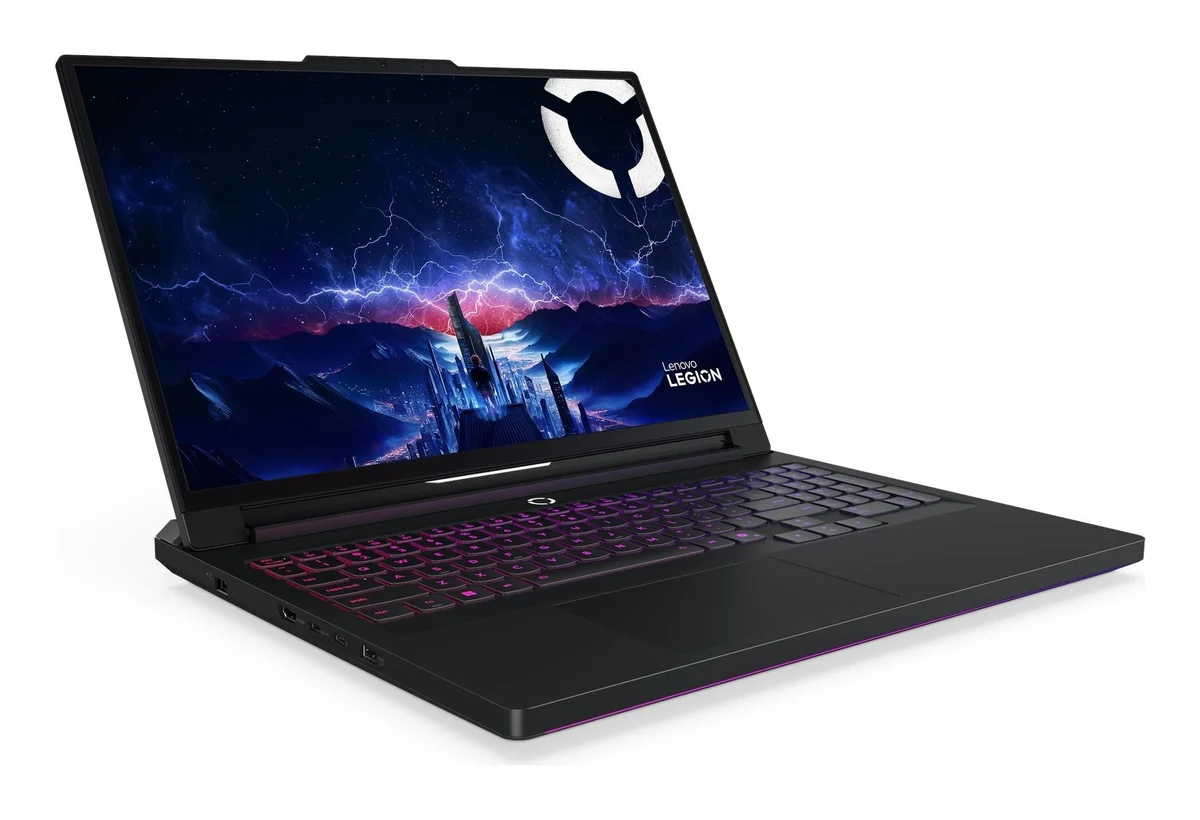
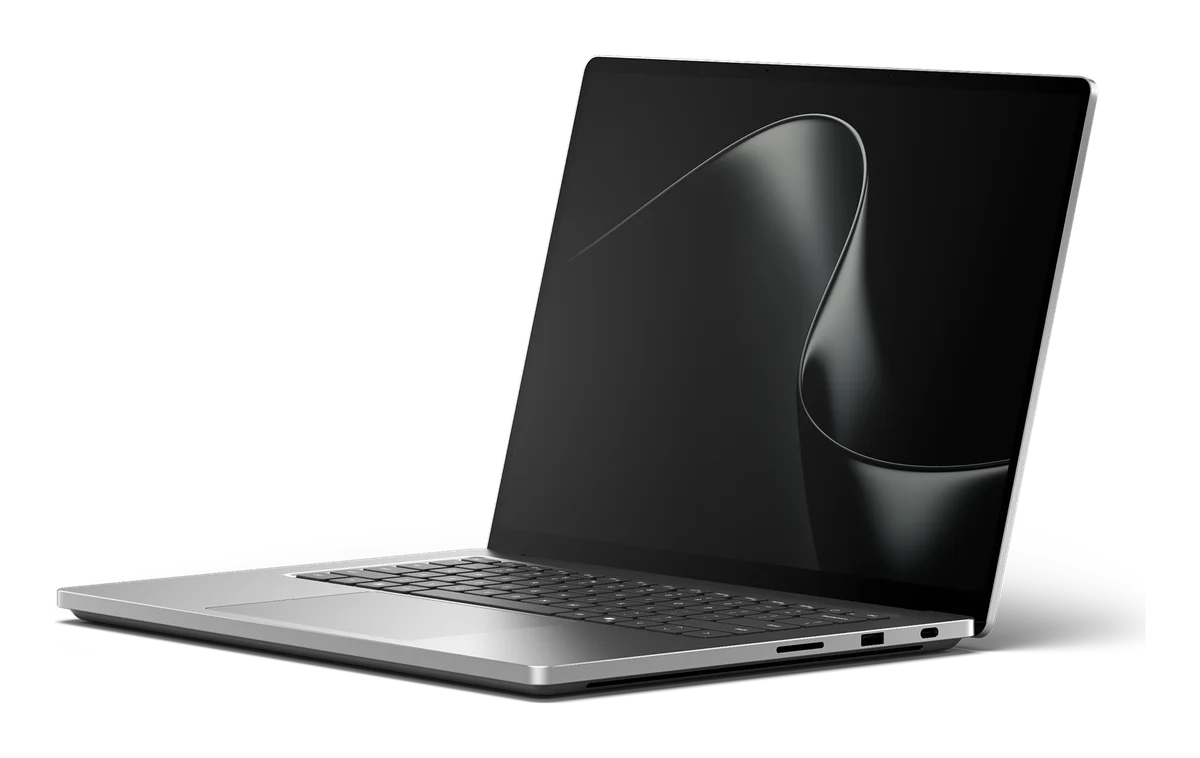
InnoReviews verdict
Microsoft Surface Laptop Ultra wins this laptop face-off, 67.1 to 61.7, pulling ahead mainly in performance (+6). Lenovo Legion Pro 7i Gen 10 (16IAX10H) is the better pick for charging and refresh rate.
Key differences
Reasons to pick the Lenovo Legion Pro 7i Gen 10 (16IAX10H)
- 186% higher charging: 400 W vs 140 W
- 100% higher refresh rate: 240 Hz vs 120 Hz
Reasons to pick the Microsoft Surface Laptop Ultra
- Stronger performance score: 69 vs 63
- 93% higher web browsing endurance: 10.4 h vs 5.4 h
- 82% higher peak brightness: 2,000 nits vs 1,100 nits
- 8.7 mm thinner: 18 mm vs 26.7 mm
- 0.57 kg lighter: 2 kg vs 2.57 kg
Up next
Lenovo Legion Pro 7i Gen 10 (16IAX10H) vs Microsoft Surface Laptop Ultra: benchmarks
Where we have no result for the Microsoft Surface Laptop Ultra itself, its bars show its chip's published results, tagged as the chip's
Geekbench 6 (single)
- Microsoft Surface Laptop Ultra chip result · via NVIDIA RTX Spark N1X3,092
- Lenovo Legion Pro 7i Gen 10 (16IAX10H)3,052
Published results: review runs where we found them, otherwise typical published figures. A chip's figure is normally the median of review runs on devices with that chip.
Geekbench 6 (multi)
- Microsoft Surface Laptop Ultra chip result · via NVIDIA RTX Spark N1X20,296
- Lenovo Legion Pro 7i Gen 10 (16IAX10H)19,081
Published results: review runs where we found them, otherwise typical published figures. A chip's figure is normally the median of review runs on devices with that chip.
Which would you pick?
Lenovo Legion Pro 7i Gen 10 (16IAX10H) vs Microsoft Surface Laptop Ultra: full specs
Display
| Spec | Lenovo Legion Pro 7i Gen 10 (16IAX10H) | Microsoft Surface Laptop Ultra |
|---|---|---|
| Screen size | 16 ″+7% | 15 ″ |
| Panel type | OLED (glossy, non-touch, G-SYNC) | PixelSense Ultra mini-LED (touchscreen) |
| Resolution | 2560x1600 | 3270x2180 |
| Refresh rate | 240 Hz+100% | 120 Hz |
| Peak brightness | 1,100 nits | 2,000 nits+82% |
Performance
| Spec | Lenovo Legion Pro 7i Gen 10 (16IAX10H) | Microsoft Surface Laptop Ultra |
|---|---|---|
| Processor | Intel Core Ultra 9 275HX | NVIDIA RTX Spark N1X |
| Graphics | NVIDIA GeForce RTX 5080 Laptop GPU (175W) | NVIDIA Blackwell RTX (6144-core) |
| RAM | 32 GB | 64 GB+100% |
| RAM type | DDR5-6400 (2x SO-DIMM) | LPDDR5x |
| Storage | 1,024 GB | 1,024 GB |
| Storage type | PCIe 4.0 NVMe SSD (2x M.2 2280; one slot PCIe 5.0) | SSD (removable, Gen 5) |
Benchmarks
| Spec | Lenovo Legion Pro 7i Gen 10 (16IAX10H) | Microsoft Surface Laptop Ultra |
|---|---|---|
| Geekbench 6 (single) | 3,052Top 18% | — |
| Geekbench 6 (multi) | 19,081Top 16% | — |
| 3DMark Time Spy Graphics (GPU) | 22,099Top 9% | — |
Battery
| Spec | Lenovo Legion Pro 7i Gen 10 (16IAX10H) | Microsoft Surface Laptop Ultra |
|---|---|---|
| Capacity | 99.9 Wh+9% | 92 Wh |
| Web browsing endurance | 5.4 h | 10.4 h+93% |
| Charging | 400 W+186% | 140 W |
Design
| Spec | Lenovo Legion Pro 7i Gen 10 (16IAX10H) | Microsoft Surface Laptop Ultra |
|---|---|---|
| Weight | 2.57 kg | 2 kg+22% |
| Thickness | 26.7 mm | 18 mm+32% |
| Material | Aluminum | Anodized aluminum |
Connectivity
| Spec | Lenovo Legion Pro 7i Gen 10 (16IAX10H) | Microsoft Surface Laptop Ultra |
|---|---|---|
| Ports | 1x Thunderbolt 4, 1x USB-C 10Gbps (DP 2.1, 95-100W PD), 1x USB-A 10Gbps (always on), 2x USB-A 5Gbps, HDMI 2.1, 2.5GbE RJ-45, 3.5mm combo jack | 3x USB-C/USB4 (one with Magnetic Connect), USB-A 3.1, HDMI 2.1b, SD card reader, 3.5mm headphone jack |
| Wi-Fi | Wi-Fi 7 | Wi-Fi 7 |
| Bluetooth | 5.4 | Bluetooth 5.4 |
| Webcam | 5MP with e-shutter (720p on some configurations) | 1080p Full HD |
| Biometrics | None (no fingerprint reader) | Face recognition (Windows Hello) |
Software
| Spec | Lenovo Legion Pro 7i Gen 10 (16IAX10H) | Microsoft Surface Laptop Ultra |
|---|---|---|
| Operating system | Windows 11 (Home or Pro) | Windows 11 Pro (Arm) |
Quick answers
Which is better: Lenovo Legion Pro 7i Gen 10 (16IAX10H) or Microsoft Surface Laptop Ultra?
Microsoft Surface Laptop Ultra wins this laptop face-off, 67.1 to 61.7, pulling ahead mainly in performance (+6). Lenovo Legion Pro 7i Gen 10 (16IAX10H) is the better pick for charging and refresh rate.
How do the scores compare?
Lenovo Legion Pro 7i Gen 10 (16IAX10H) scores 61.7/100 overall; Microsoft Surface Laptop Ultra scores 67.1/100. Lenovo Legion Pro 7i Gen 10 (16IAX10H) wins 4 individual spec rows, Microsoft Surface Laptop Ultra wins 5.
What are the main differences between the Lenovo Legion Pro 7i Gen 10 (16IAX10H) and the Microsoft Surface Laptop Ultra?
Lenovo Legion Pro 7i Gen 10 (16IAX10H) advantages: 186% higher charging: 400 W vs 140 W; 100% higher refresh rate: 240 Hz vs 120 Hz. Microsoft Surface Laptop Ultra advantages: Stronger performance score: 69 vs 63; 93% higher web browsing endurance: 10.4 h vs 5.4 h; 82% higher peak brightness: 2,000 nits vs 1,100 nits; 8.7 mm thinner: 18 mm vs 26.7 mm; 0.57 kg lighter: 2 kg vs 2.57 kg.
Which is cheaper: Lenovo Legion Pro 7i Gen 10 (16IAX10H) or Microsoft Surface Laptop Ultra?
Lenovo Legion Pro 7i Gen 10 (16IAX10H) launched cheaper at $2,399, versus $2,599 for the Microsoft Surface Laptop Ultra.
Use this on your site or forum
Copy a ready-made link. Scores on this page update as new results are published, so the link always leads to the current figures.