Lenovo Yoga 7i 2-in-1 Gen 10 (14-inch) vs REDMI Book Pro 16 (2025)
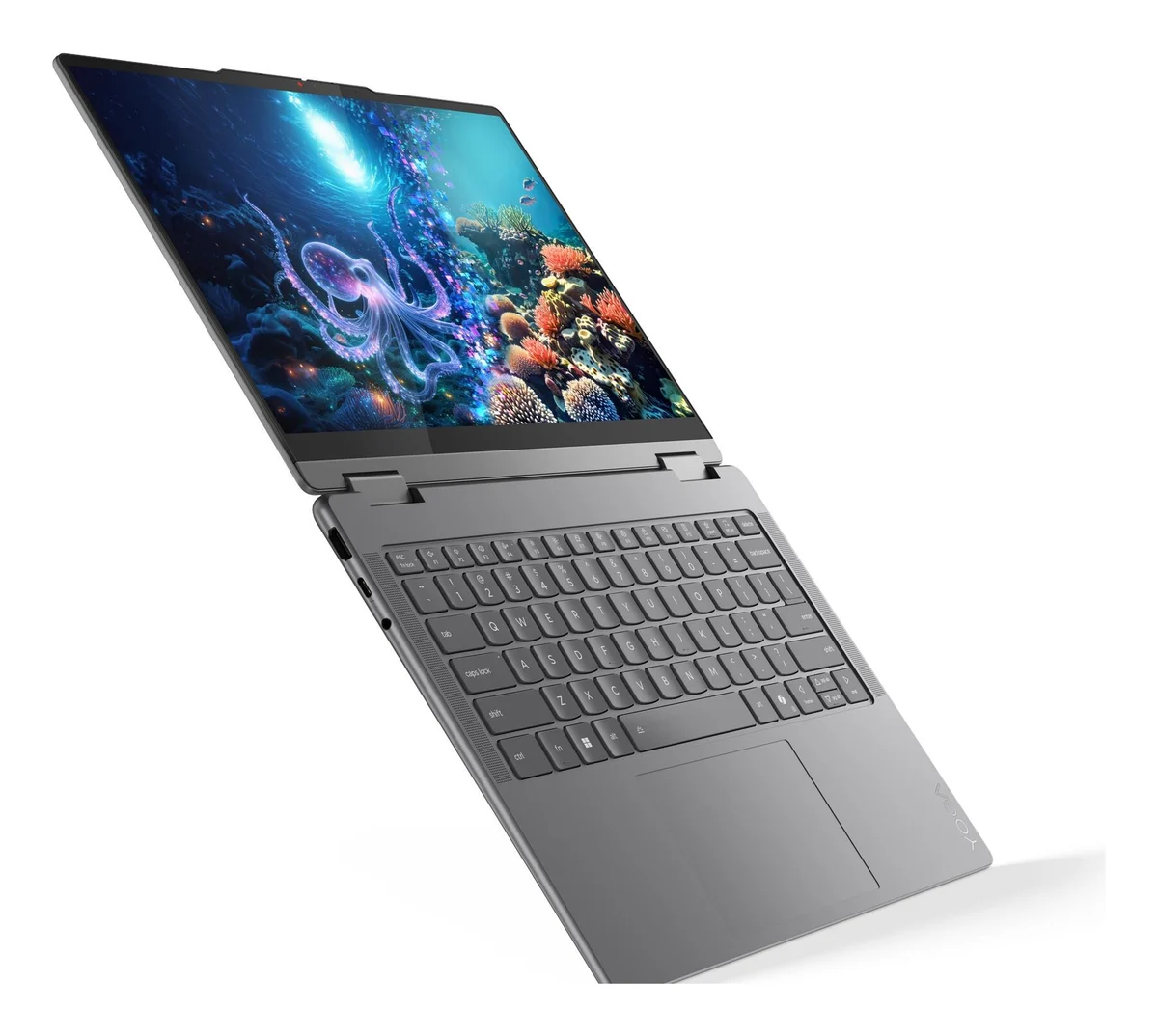
Lenovo Yoga 7i 2-in-1 Gen 10 (14-inch): Intel Core Ultra 7 258V, released Feb 1, 2025, $949
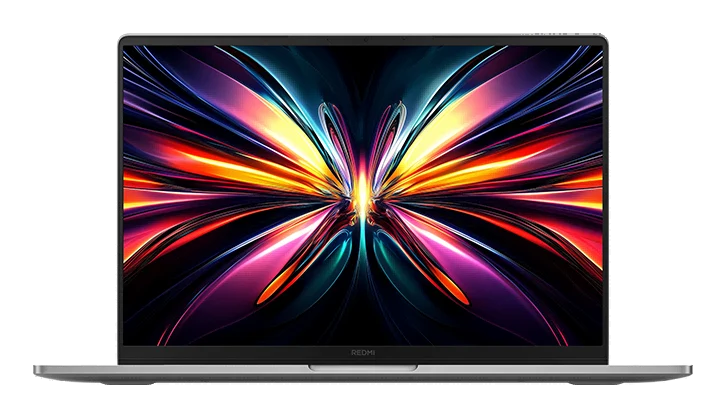
REDMI Book Pro 16 (2025): Intel Core Ultra 7 255H, released Feb 27, 2025
Chip vs chip: Intel Core Ultra 7 258V vs Intel Core Ultra 7 255H →
InnoReviews verdictToo close to call
This one is close to a dead heat: Lenovo Yoga 7i 2-in-1 Gen 10 (14-inch) scores 60.7 against 60.4 for REDMI Book Pro 16 (2025). Pick by the categories that matter to you — Lenovo Yoga 7i 2-in-1 Gen 10 (14-inch) edges ahead in graphics, or by price.
Key differences
Reasons to pick the Lenovo Yoga 7i 2-in-1 Gen 10 (14-inch)
- 120% higher peak brightness: 1,100 nits vs 500 nits
- 0.5 kg lighter: 1.38 kg vs 1.88 kg
Reasons to pick the REDMI Book Pro 16 (2025)
- Stronger performance score: 55 vs 48
- 115% higher charging: 140 W vs 65 W
- 38% higher refresh rate: 165 Hz vs 120 Hz
- 41% higher capacity: 99 Wh vs 70 Wh
- 14% higher screen size: 16 ″ vs 14 ″
Up next
Lenovo Yoga 7i 2-in-1 Gen 10 (14-inch) vs REDMI Book Pro 16 (2025): benchmarks
Where we have no result for the REDMI Book Pro 16 (2025) itself, its bars show its chip's published results, tagged as the chip's
Geekbench 6 (single)
- REDMI Book Pro 16 (2025) chip result · via Intel Core Ultra 7 255H2,851
- Lenovo Yoga 7i 2-in-1 Gen 10 (14-inch)2,789
Published results: review runs where we found them, otherwise typical published figures. A chip's figure is normally the median of review runs on devices with that chip.
Geekbench 6 (multi)
- REDMI Book Pro 16 (2025) chip result · via Intel Core Ultra 7 255H15,362
- Lenovo Yoga 7i 2-in-1 Gen 10 (14-inch)11,027
Published results: review runs where we found them, otherwise typical published figures. A chip's figure is normally the median of review runs on devices with that chip.
Which would you pick?
Lenovo Yoga 7i 2-in-1 Gen 10 (14-inch) vs REDMI Book Pro 16 (2025): full specs
Display
| Spec | Lenovo Yoga 7i 2-in-1 Gen 10 (14-inch) | REDMI Book Pro 16 (2025) |
|---|---|---|
| Screen size | 14 ″ | 16 ″+14% |
| Panel type | OLED (touchscreen) | IPS LCD |
| Resolution | 2880x1800 | 3072x1920 |
| Refresh rate | 120 Hz | 165 Hz+38% |
| Peak brightness | 1,100 nits+120% | 500 nits |
Performance
| Spec | Lenovo Yoga 7i 2-in-1 Gen 10 (14-inch) | REDMI Book Pro 16 (2025) |
|---|---|---|
| Processor | Intel Core Ultra 7 258V | Intel Core Ultra 7 255H |
| Graphics | Intel Arc Graphics 140V (integrated) | Intel Arc 140T (integrated, 8 Xe cores) |
| RAM | 32 GB | 32 GB |
| RAM type | LPDDR5X-8533 (soldered) | LPDDR5X-8400 |
| Storage | 1,024 GB | 1,024 GB |
| Storage type | PCIe 4.0 NVMe SSD (M.2 2242) | PCIe 4.0 SSD (plus one extra M.2 slot) |
Benchmarks
| Spec | Lenovo Yoga 7i 2-in-1 Gen 10 (14-inch) | REDMI Book Pro 16 (2025) |
|---|---|---|
| Geekbench 6 (single) | 2,789Bottom 48% | — |
| Geekbench 6 (multi) | 11,027Bottom 21% | — |
Battery
| Spec | Lenovo Yoga 7i 2-in-1 Gen 10 (14-inch) | REDMI Book Pro 16 (2025) |
|---|---|---|
| Capacity | 70 Wh | 99 Wh+41% |
| Web browsing endurance | 13.9 h | — |
| Charging | 65 W | 140 W+115% |
Design
| Spec | Lenovo Yoga 7i 2-in-1 Gen 10 (14-inch) | REDMI Book Pro 16 (2025) |
|---|---|---|
| Weight | 1.38 kg+27% | 1.88 kg |
| Thickness | 15.5 mm+3% | 15.9 mm |
| Material | Aluminum | Metal chassis |
Connectivity
| Spec | Lenovo Yoga 7i 2-in-1 Gen 10 (14-inch) | REDMI Book Pro 16 (2025) |
|---|---|---|
| Ports | 2x Thunderbolt 4 (40Gbps, USB PD 45-65W, DisplayPort 2.1), 1x USB-A (5Gbps, always-on), HDMI 1.4b (up to 4K/30Hz), microSD card reader, 3.5mm combo audio jack | Thunderbolt 4, USB-C (full-featured), 2x USB-A 3.2, HDMI 2.1 (TMDS), 3.5mm audio jack |
| Wi-Fi | Wi-Fi 7 | Wi-Fi 6 |
| Bluetooth | 5.4 | 5.2 |
| Webcam | 5MP IR camera with privacy shutter | 1080p |
| Biometrics | IR face (Windows Hello) | Fingerprint reader in the power button |
Software
| Spec | Lenovo Yoga 7i 2-in-1 Gen 10 (14-inch) | REDMI Book Pro 16 (2025) |
|---|---|---|
| Operating system | Windows 11 Home | Windows 11 (Chinese version) |
Quick answers
Which is better: Lenovo Yoga 7i 2-in-1 Gen 10 (14-inch) or REDMI Book Pro 16 (2025)?
This one is close to a dead heat: Lenovo Yoga 7i 2-in-1 Gen 10 (14-inch) scores 60.7 against 60.4 for REDMI Book Pro 16 (2025). Pick by the categories that matter to you — Lenovo Yoga 7i 2-in-1 Gen 10 (14-inch) edges ahead in graphics, or by price.
How do the scores compare?
Lenovo Yoga 7i 2-in-1 Gen 10 (14-inch) scores 60.7/100 overall; REDMI Book Pro 16 (2025) scores 60.4/100. Lenovo Yoga 7i 2-in-1 Gen 10 (14-inch) wins 3 individual spec rows, REDMI Book Pro 16 (2025) wins 4.
What are the main differences between the Lenovo Yoga 7i 2-in-1 Gen 10 (14-inch) and the REDMI Book Pro 16 (2025)?
Lenovo Yoga 7i 2-in-1 Gen 10 (14-inch) advantages: 120% higher peak brightness: 1,100 nits vs 500 nits; 0.5 kg lighter: 1.38 kg vs 1.88 kg. REDMI Book Pro 16 (2025) advantages: Stronger performance score: 55 vs 48; 115% higher charging: 140 W vs 65 W; 38% higher refresh rate: 165 Hz vs 120 Hz; 41% higher capacity: 99 Wh vs 70 Wh; 14% higher screen size: 16 ″ vs 14 ″.
Use this on your site or forum
Copy a ready-made link. Scores on this page update as new results are published, so the link always leads to the current figures.