MSI Crosshair A16 HX E8W vs TUXEDO Stellaris 16 Gen8 (Intel)
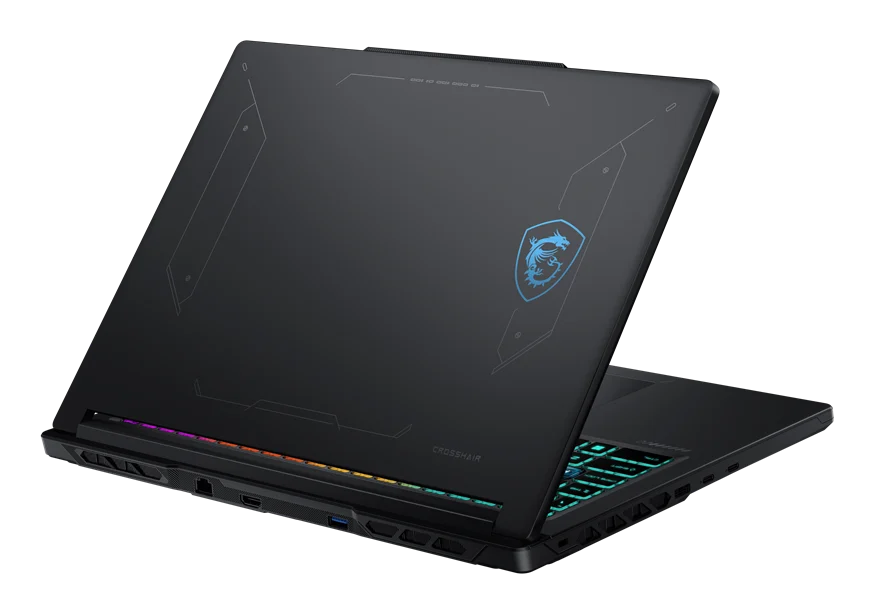
MSI Crosshair A16 HX E8W: AMD Ryzen 9 8940HX, released Jun 12, 2026
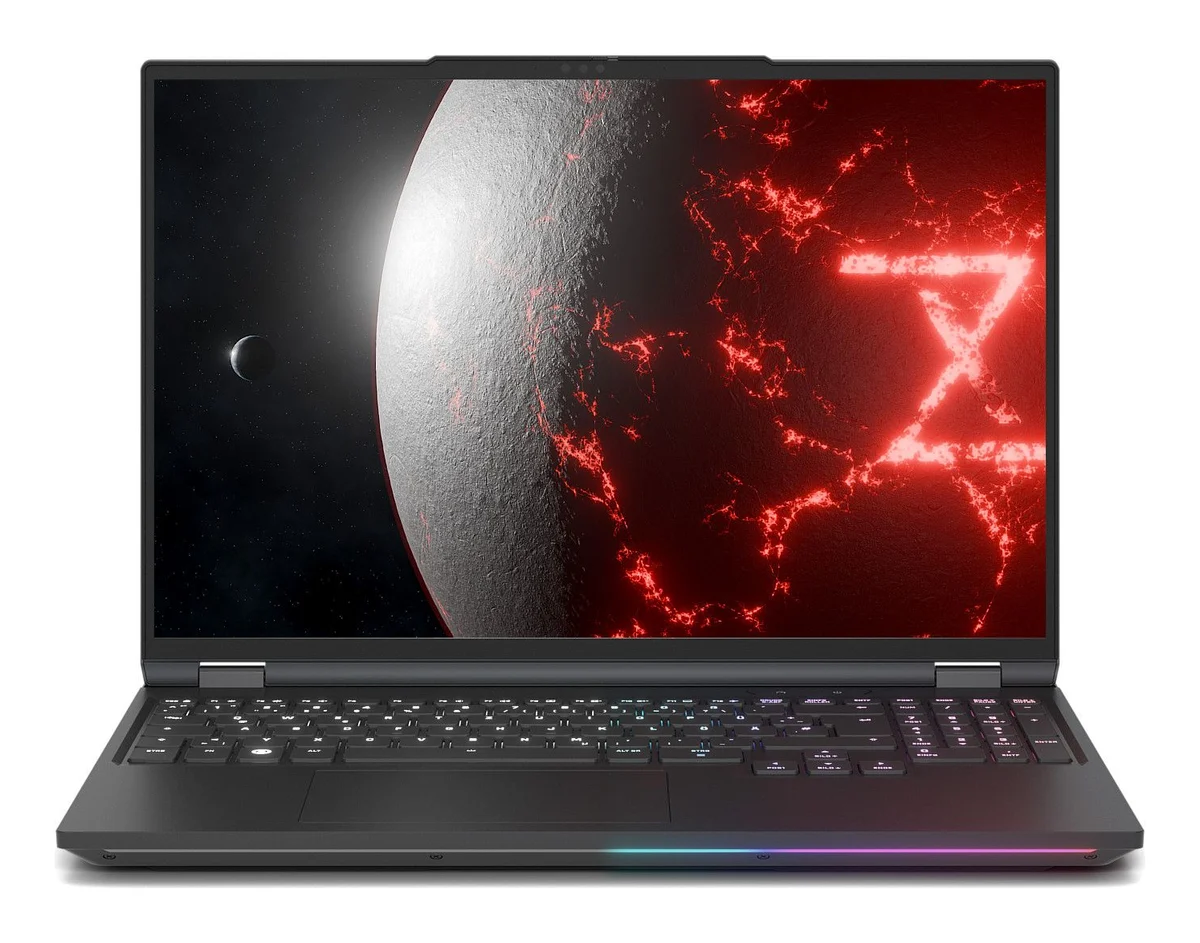
TUXEDO Stellaris 16 Gen8 (Intel): Intel Core Ultra 9 290HX Plus, released Nov 2, 2026
The TUXEDO Stellaris 16 Gen8 (Intel) is 5 months newer.
Chip vs chip: AMD Ryzen 9 8940HX vs Intel Core Ultra 9 290HX Plus →
InnoReviews verdictToo close to call
This one is close to a dead heat: MSI Crosshair A16 HX E8W scores 61.8 against 60.4 for TUXEDO Stellaris 16 Gen8 (Intel). Pick by the categories that matter to you, or by price.
Key differences
Reasons to pick the MSI Crosshair A16 HX E8W
- 0.35 kg lighter: 2.3 kg vs 2.65 kg
- 105% higher storage: 1,024 GB vs 500 GB
- 100% higher RAM: 32 GB vs 16 GB
Reasons to pick the TUXEDO Stellaris 16 Gen8 (Intel)
- 28% higher 3DMark Time Spy Graphics (GPU): 17,434 vs 13,644
- Stronger performance score: 63 vs 57
- 38% higher charging: 330 W vs 240 W
- 25% higher refresh rate: 300 Hz vs 240 Hz
- 24% higher capacity: 99 Wh vs 80 Wh
MSI Crosshair A16 HX E8W vs TUXEDO Stellaris 16 Gen8 (Intel): benchmarks
We have no benchmark result for the TUXEDO Stellaris 16 Gen8 (Intel) itself yet, so its bars show its chip's published results, tagged as the chip's
Geekbench 6 (single)
- TUXEDO Stellaris 16 Gen8 (Intel) chip result · via Intel Core Ultra 9 290HX Plus3,198
- MSI Crosshair A16 HX E8W2,839
Published results: review runs where we found them, otherwise typical published figures. A chip's figure is normally the median of review runs on devices with that chip.
Geekbench 6 (multi)
- TUXEDO Stellaris 16 Gen8 (Intel) chip result · via Intel Core Ultra 9 290HX Plus21,581
- MSI Crosshair A16 HX E8W16,483
Published results: review runs where we found them, otherwise typical published figures. A chip's figure is normally the median of review runs on devices with that chip.
Which would you pick?
MSI Crosshair A16 HX E8W vs TUXEDO Stellaris 16 Gen8 (Intel): full specs
Display
| Spec | MSI Crosshair A16 HX E8W | TUXEDO Stellaris 16 Gen8 (Intel) |
|---|---|---|
| Screen size | 16 ″ | 16 ″ |
| Panel type | IPS | IPS-type LED, matte (Mini-LED and OLED options) |
| Resolution | 2560x1600 | 2560x1600 |
| Refresh rate | 240 Hz | 300 Hz+25% |
| Peak brightness | — | 500 nits |
Performance
| Spec | MSI Crosshair A16 HX E8W | TUXEDO Stellaris 16 Gen8 (Intel) |
|---|---|---|
| Processor | AMD Ryzen 9 8940HX | Intel Core Ultra 9 290HX Plus |
| Graphics | NVIDIA GeForce RTX 5070 Laptop GPU (8GB GDDR7) | NVIDIA GeForce RTX 5070 Ti Laptop GPU (12 GB GDDR7) |
| RAM | 32 GB+100% | 16 GB |
| RAM type | DDR5-5200 (SODIMM) | DDR5-5600 SO-DIMM |
| Storage | 1,024 GB+105% | 500 GB |
| Storage type | PCIe 4.0 NVMe SSD | PCIe 4.0 NVMe M.2 SSD |
Benchmarks
| Spec | MSI Crosshair A16 HX E8W | TUXEDO Stellaris 16 Gen8 (Intel) |
|---|---|---|
| Geekbench 6 (single) | 2,839Top 47% | — |
| Geekbench 6 (multi) | 16,483Top 29% | — |
| 3DMark Time Spy Graphics (GPU) | 13,644Top 31% | 17,434+28%Top 21% |
Battery
| Spec | MSI Crosshair A16 HX E8W | TUXEDO Stellaris 16 Gen8 (Intel) |
|---|---|---|
| Capacity | 80 Wh | 99 Wh+24% |
| Charging | 240 W | 330 W+38% |
Design
| Spec | MSI Crosshair A16 HX E8W | TUXEDO Stellaris 16 Gen8 (Intel) |
|---|---|---|
| Weight | 2.3 kg+13% | 2.65 kg |
| Thickness | 25.6 mm+9% | 28 mm |
| Material | Plastic | Aluminum lid, base and bottom case; plastic display frame |
Connectivity
| Spec | MSI Crosshair A16 HX E8W | TUXEDO Stellaris 16 Gen8 (Intel) |
|---|---|---|
| Ports | 3x USB-A 3.2 Gen1, 2x USB-C (USB 3.2 Gen2, DisplayPort, Power Delivery 3.0), HDMI 2.1, Gigabit Ethernet, 3.5mm combo jack | Thunderbolt 4 / USB4 (DisplayPort 2.1, 140W Power Delivery in), USB-C 3.2 Gen2 (10Gbps, DisplayPort 1.4a, 100W Power Delivery in), 3x USB-A 3.2 Gen1, HDMI 2.1, Mini DisplayPort 2.1, SD UHS-II card reader, 2.5Gbit LAN, 3.5mm 2-in-1 audio jack, Kensington lock |
| Wi-Fi | Wi-Fi 6E | Wi-Fi 6E (Intel AX211); Wi-Fi 7 (Intel BE200) optional |
| Bluetooth | 5.4 | 5.3 (5.4 with the optional Wi-Fi 7 card) |
| Webcam | 720p HD with privacy shutter | 1080p FHD webcam with microphone and privacy shutter |
| Biometrics | — | Face recognition (Windows Hello compatible camera) |
Software
| Spec | MSI Crosshair A16 HX E8W | TUXEDO Stellaris 16 Gen8 (Intel) |
|---|---|---|
| Operating system | Windows 11 Home | TUXEDO OS or Ubuntu LTS preinstalled; Windows 11 Home or Pro optional |
Quick answers
Which is better: MSI Crosshair A16 HX E8W or TUXEDO Stellaris 16 Gen8 (Intel)?
This one is close to a dead heat: MSI Crosshair A16 HX E8W scores 61.8 against 60.4 for TUXEDO Stellaris 16 Gen8 (Intel). Pick by the categories that matter to you, or by price.
How do the scores compare?
MSI Crosshair A16 HX E8W scores 61.8/100 overall; TUXEDO Stellaris 16 Gen8 (Intel) scores 60.4/100. MSI Crosshair A16 HX E8W wins 4 individual spec rows, TUXEDO Stellaris 16 Gen8 (Intel) wins 4.
What are the main differences between the MSI Crosshair A16 HX E8W and the TUXEDO Stellaris 16 Gen8 (Intel)?
MSI Crosshair A16 HX E8W advantages: 0.35 kg lighter: 2.3 kg vs 2.65 kg; 105% higher storage: 1,024 GB vs 500 GB; 100% higher RAM: 32 GB vs 16 GB. TUXEDO Stellaris 16 Gen8 (Intel) advantages: 28% higher 3DMark Time Spy Graphics (GPU): 17,434 vs 13,644; Stronger performance score: 63 vs 57; 38% higher charging: 330 W vs 240 W; 25% higher refresh rate: 300 Hz vs 240 Hz; 24% higher capacity: 99 Wh vs 80 Wh.
Use this on your site or forum
Copy a ready-made link. Scores on this page update as new results are published, so the link always leads to the current figures.