Cubot KingKong Dura vs OPPO K14 Lite
Cubot KingKong Dura: Unisoc T620, released Sep 2, 2026
OPPO K14 Lite: Unisoc T7250, released Sep 16, 2026
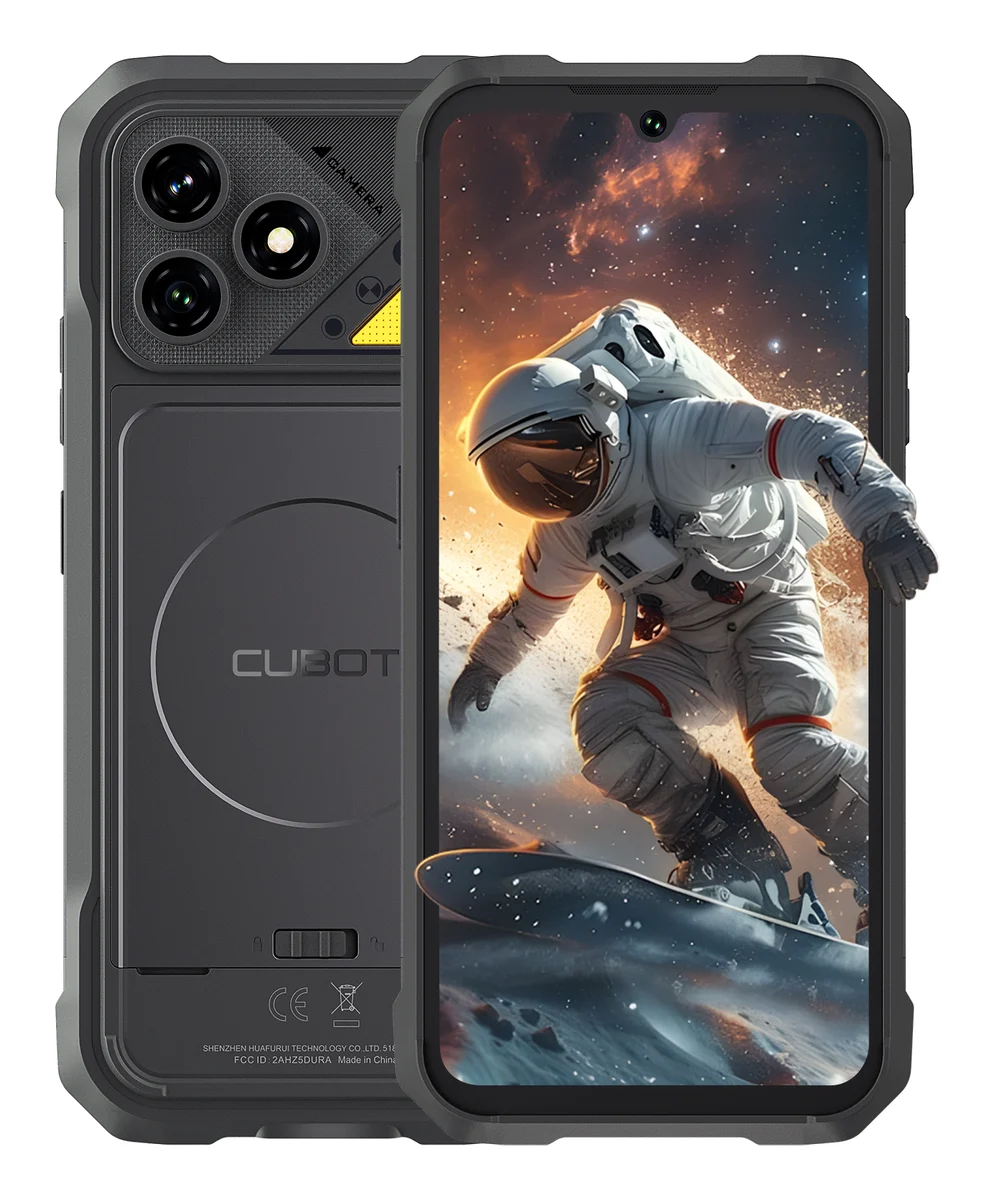
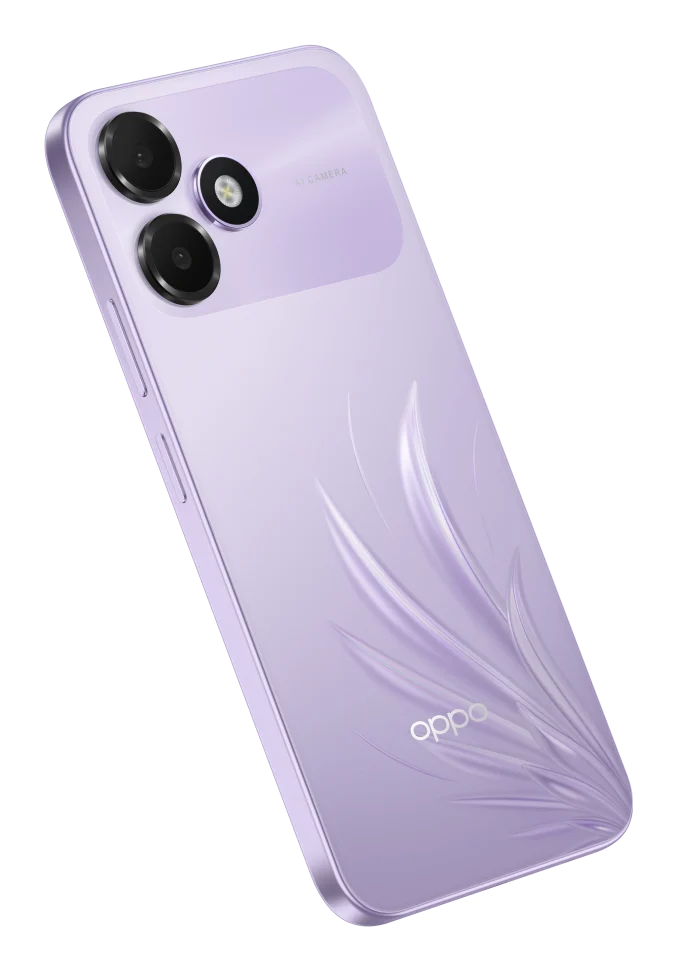
InnoReviews verdictToo close to call
This one is close to a dead heat: Cubot KingKong Dura scores 33.7 against 33.4 for OPPO K14 Lite. Pick by the categories that matter to you — Cubot KingKong Dura edges ahead in performance, or by price.
Key differences
Reasons to pick the Cubot KingKong Dura
- Stronger performance score: 25 vs 21
- 20% higher wired charging: 18 W vs 15 W
- Main camera: 64 MP vs 13 MP
- Front camera: 16 MP vs 5 MP
- 200% higher RAM (max): 12 GB vs 4 GB
Reasons to pick the OPPO K14 Lite
- 40% higher capacity: 7,000 mAh vs 5,000 mAh
- 4 mm thinner: 9 mm vs 13 mm
- 85 g lighter: 215 g vs 300 g
- 23% higher screen-to-body: 90.5 % vs 73.4 %
- Has 3.5mm jack — the other doesn't
Cubot KingKong Dura vs OPPO K14 Lite: benchmarks
We have no benchmark result for the Cubot KingKong Dura or the OPPO K14 Lite themselves yet, so their bars show their chips' published results, tagged as the chips'
Geekbench 6 (single)
- Cubot KingKong Dura chip result · via Unisoc T620462
- OPPO K14 Lite chip result · via Unisoc T7250429
Published results: review runs where we found them, otherwise typical published figures. A chip's figure is normally the median of review runs on devices with that chip.
Geekbench 6 (multi)
- Cubot KingKong Dura chip result · via Unisoc T6201,521
- OPPO K14 Lite chip result · via Unisoc T72501,402
Published results: review runs where we found them, otherwise typical published figures. A chip's figure is normally the median of review runs on devices with that chip.
Which would you pick?
Cubot KingKong Dura vs OPPO K14 Lite: full specs
Display
| Spec | Cubot KingKong Dura | OPPO K14 Lite |
|---|---|---|
| Screen size | 6.88 ″+2% | 6.75 ″ |
| Panel type | IPS LCD | IPS LCD |
| Resolution | 720x1640 | 1570x720 |
| Pixel density | 260 ppi+2% | 256 ppi |
| Refresh rate | 120 Hz | 120 Hz |
| Peak brightness | — | 900 nits |
| Screen-to-body | 73.4 % | 90.5 %+23% |
Performance
| Spec | Cubot KingKong Dura | OPPO K14 Lite |
|---|---|---|
| Chipset | Unisoc T620 | Unisoc T7250 |
| RAM (max) | 12 GB+200% | 4 GB |
| Storage options | 128/256GB | 64GB |
| Storage type | — | UFS 2.2 |
Camera
| Spec | Cubot KingKong Dura | OPPO K14 Lite |
|---|---|---|
| Main camera | 64 MP+392% | 13 MP |
| Main aperture | — | f/2.2 |
| Max video | 1080p | 1080p@30fps |
| Front camera | 16 MP+220% | 5 MP |
Battery
| Spec | Cubot KingKong Dura | OPPO K14 Lite |
|---|---|---|
| Capacity | 5,000 mAh | 7,000 mAh+40% |
| Wired charging | 18 W+20% | 15 W |
Design
| Spec | Cubot KingKong Dura | OPPO K14 Lite |
|---|---|---|
| Weight | 300 g | 215 g+28% |
| Thickness | 13 mm | 9 mm+31% |
| IP rating | IP68/IP69K | IP64 |
| Frame material | — | Plastic |
Connectivity
| Spec | Cubot KingKong Dura | OPPO K14 Lite |
|---|---|---|
| 5G | No | No |
| Wi-Fi | Wi-Fi 5 (802.11a/b/g/n/ac) | Wi-Fi 5 |
| Bluetooth | 5.0 | 5.2 |
| NFC | Yes | No |
| USB | USB-C 2.0 | USB-C 2.0 |
Software
| Spec | Cubot KingKong Dura | OPPO K14 Lite |
|---|---|---|
| OS at launch | Android 16 | Android 16 (ColorOS 16) |
Audio
| Spec | Cubot KingKong Dura | OPPO K14 Lite |
|---|---|---|
| Stereo speakers | No | — |
| 3.5mm jack | No | Yes |
Quick answers
Which is better: Cubot KingKong Dura or OPPO K14 Lite?
This one is close to a dead heat: Cubot KingKong Dura scores 33.7 against 33.4 for OPPO K14 Lite. Pick by the categories that matter to you — Cubot KingKong Dura edges ahead in performance, or by price.
How do the scores compare?
Cubot KingKong Dura scores 33.7/100 overall; OPPO K14 Lite scores 33.4/100. Cubot KingKong Dura wins 7 individual spec rows, OPPO K14 Lite wins 5.
What are the main differences between the Cubot KingKong Dura and the OPPO K14 Lite?
Cubot KingKong Dura advantages: Stronger performance score: 25 vs 21; 20% higher wired charging: 18 W vs 15 W; Main camera: 64 MP vs 13 MP; Front camera: 16 MP vs 5 MP; 200% higher RAM (max): 12 GB vs 4 GB. OPPO K14 Lite advantages: 40% higher capacity: 7,000 mAh vs 5,000 mAh; 4 mm thinner: 9 mm vs 13 mm; 85 g lighter: 215 g vs 300 g; 23% higher screen-to-body: 90.5 % vs 73.4 %; Has 3.5mm jack — the other doesn't.
Use this on your site or forum
Copy a ready-made link. Scores on this page update as new results are published, so the link always leads to the current figures.