HMD Crest 5G vs Redmi Note 13 (4G)
HMD Crest 5G: Unisoc Tiger T760, released Jul 25, 2024, INR 14,499 (India)
Redmi Note 13 (4G): Qualcomm Snapdragon 685, released Jan 15, 2024, $179
The HMD Crest 5G is 6 months newer.
Chip vs chip: Unisoc Tiger T760 vs Qualcomm Snapdragon 685 →
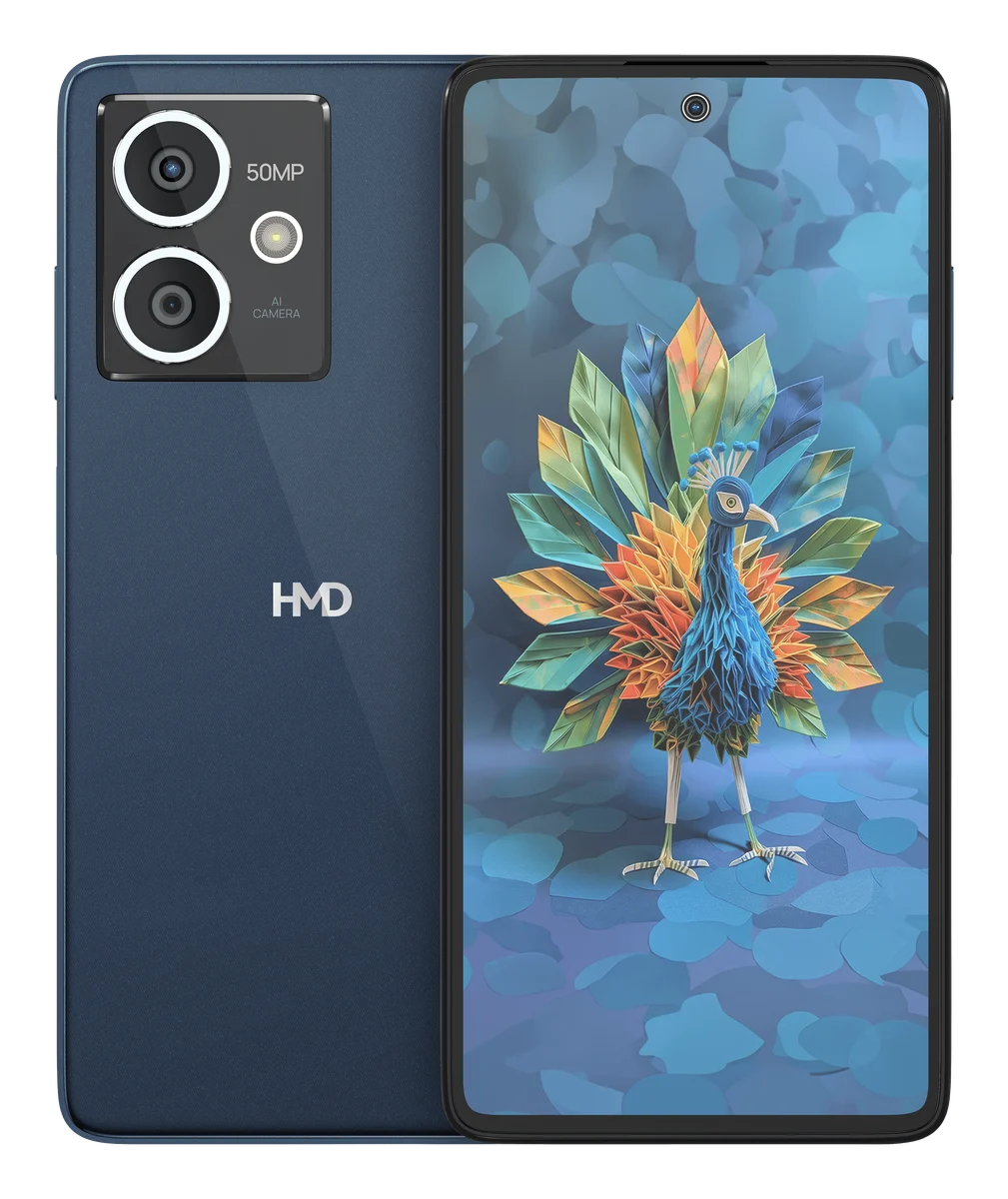
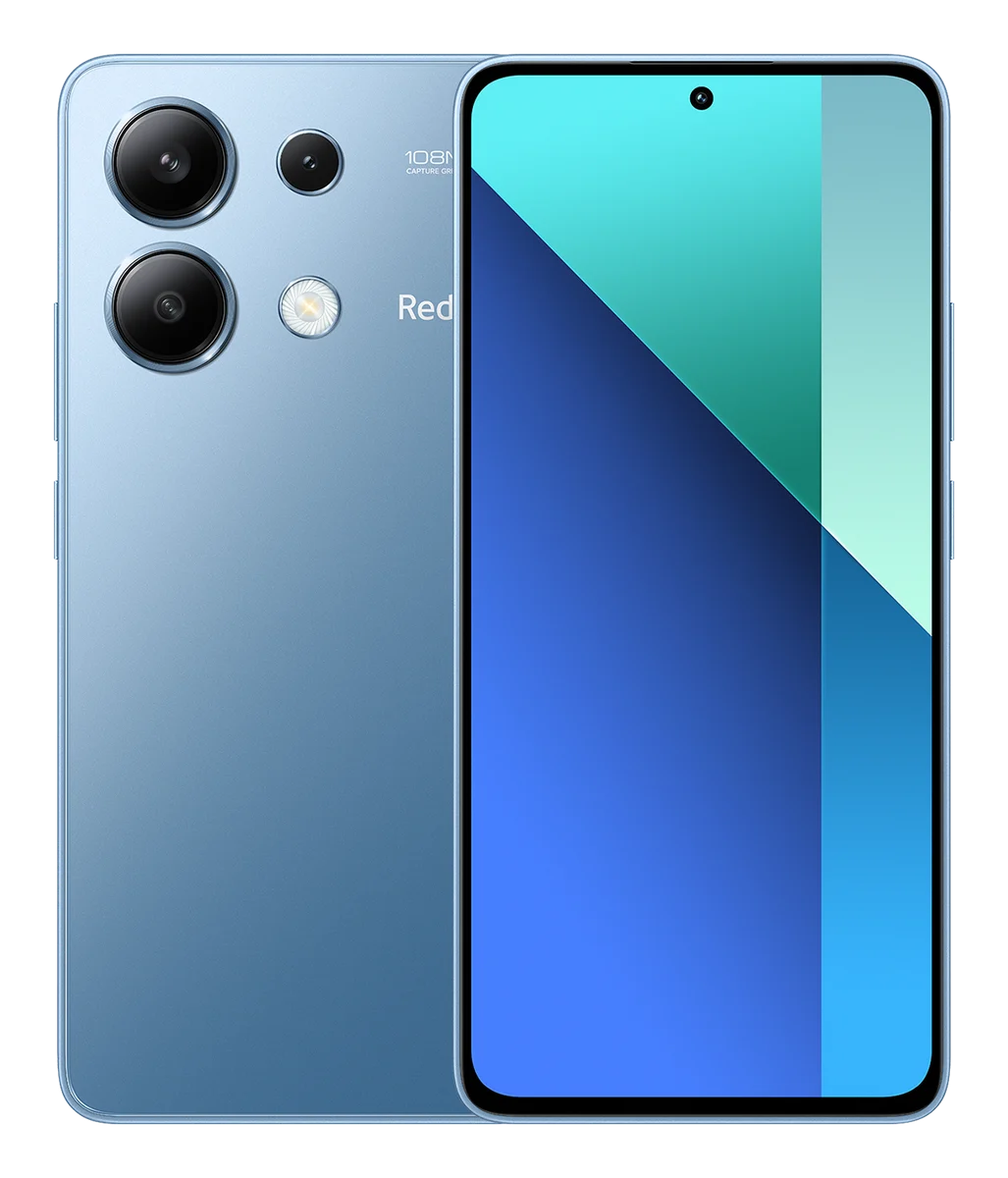
InnoReviews verdictToo close to call
This one is close to a dead heat: HMD Crest 5G scores 39.2 against 39.4 for Redmi Note 13 (4G). Pick by the categories that matter to you, or by price.
Key differences
Reasons to pick the HMD Crest 5G
- Front camera: 50 MP vs 16 MP
- Has 5G — the other doesn't
Reasons to pick the Redmi Note 13 (4G)
- 33% higher refresh rate: 120 Hz vs 90 Hz
- Main camera: 108 MP vs 50 MP
- 33% higher RAM (max): 8 GB vs 6 GB
- Has stereo speakers — the other doesn't
HMD Crest 5G vs Redmi Note 13 (4G): benchmarks
We have no benchmark result for the Redmi Note 13 (4G) itself yet, so its bars show its chip's published results, tagged as the chip's
Geekbench 6 (single)
- HMD Crest 5G739
- Redmi Note 13 (4G) chip result · via Qualcomm Snapdragon 685477
Published results: review runs where we found them, otherwise typical published figures. A chip's figure is normally the median of review runs on devices with that chip.
Geekbench 6 (multi)
- HMD Crest 5G2,358
- Redmi Note 13 (4G) chip result · via Qualcomm Snapdragon 6851,544
Published results: review runs where we found them, otherwise typical published figures. A chip's figure is normally the median of review runs on devices with that chip.
Not drawn side by side, because only one device has a published result or the two come from different versions:
- AnTuTu 11: Redmi Note 13 (4G) 471,425 chip result · via Qualcomm Snapdragon 685
Which would you pick?
HMD Crest 5G vs Redmi Note 13 (4G): full specs
Display
| Spec | HMD Crest 5G | Redmi Note 13 (4G) |
|---|---|---|
| Screen size | 6.67 ″ | 6.67 ″ |
| Panel type | OLED | AMOLED |
| Resolution | 1080x2400 | 1080x2400 |
| Pixel density | 395 ppi | 395 ppi |
| Refresh rate | 90 Hz | 120 Hz+33% |
| Peak brightness | — | 1,800 nits |
Performance
| Spec | HMD Crest 5G | Redmi Note 13 (4G) |
|---|---|---|
| Chipset | Unisoc T760 | Snapdragon 685 |
| Geekbench 6 (single) | 739Bottom 15% | — |
| Geekbench 6 (multi) | 2,358Bottom 26% | — |
| RAM (max) | 6 GB | 8 GB+33% |
| Storage options | 128GB | 128/256GB |
| Storage type | UFS 2.2 | UFS 2.2 |
Camera
| Spec | HMD Crest 5G | Redmi Note 13 (4G) |
|---|---|---|
| Main camera | 50 MP | 108 MP+116% |
| Main aperture | — | f/1.75 |
| Ultra-wide | — | 8 MP |
| Max video | 1080p@30fps | 1080p@30fps |
| Front camera | 50 MP+213% | 16 MP |
| OIS | No | No |
Battery
| Spec | HMD Crest 5G | Redmi Note 13 (4G) |
|---|---|---|
| Capacity | 5,000 mAh | 5,000 mAh |
| Wired charging | 33 W | 33 W |
Design
| Spec | HMD Crest 5G | Redmi Note 13 (4G) |
|---|---|---|
| Weight | 205 g | 189 g+8% |
| Thickness | 8.4 mm | 8 mm+5% |
| IP rating | IP52 | IP54 |
| Frame material | Plastic | Plastic |
Connectivity
| Spec | HMD Crest 5G | Redmi Note 13 (4G) |
|---|---|---|
| 5G | Yes | No |
| Wi-Fi | Wi-Fi 5 | Wi-Fi 5 |
| Bluetooth | 5.0 | 5.1 |
| NFC | No | — |
| USB | USB-C | USB-C |
| eSIM | — | No |
Software
| Spec | HMD Crest 5G | Redmi Note 13 (4G) |
|---|---|---|
| OS at launch | Android 14 | Android 13 (MIUI 14) |
Audio
| Spec | HMD Crest 5G | Redmi Note 13 (4G) |
|---|---|---|
| Stereo speakers | No | Yes |
| 3.5mm jack | Yes | Yes |
Launch
| Spec | HMD Crest 5G | Redmi Note 13 (4G) |
|---|---|---|
| Launch price | INR 14,499 (India) | — |
Quick answers
Which is better: HMD Crest 5G or Redmi Note 13 (4G)?
This one is close to a dead heat: HMD Crest 5G scores 39.2 against 39.4 for Redmi Note 13 (4G). Pick by the categories that matter to you, or by price.
How do the scores compare?
HMD Crest 5G scores 39.2/100 overall; Redmi Note 13 (4G) scores 39.4/100. HMD Crest 5G wins 2 individual spec rows, Redmi Note 13 (4G) wins 6.
What are the main differences between the HMD Crest 5G and the Redmi Note 13 (4G)?
HMD Crest 5G advantages: Front camera: 50 MP vs 16 MP; Has 5G — the other doesn't. Redmi Note 13 (4G) advantages: 33% higher refresh rate: 120 Hz vs 90 Hz; Main camera: 108 MP vs 50 MP; 33% higher RAM (max): 8 GB vs 6 GB; Has stereo speakers — the other doesn't.
Use this on your site or forum
Copy a ready-made link. Scores on this page update as new results are published, so the link always leads to the current figures.