Huawei Mate 40 Pro vs POCO X3 Pro
Huawei Mate 40 Pro: Huawei Kirin 9000, released Oct 30, 2020
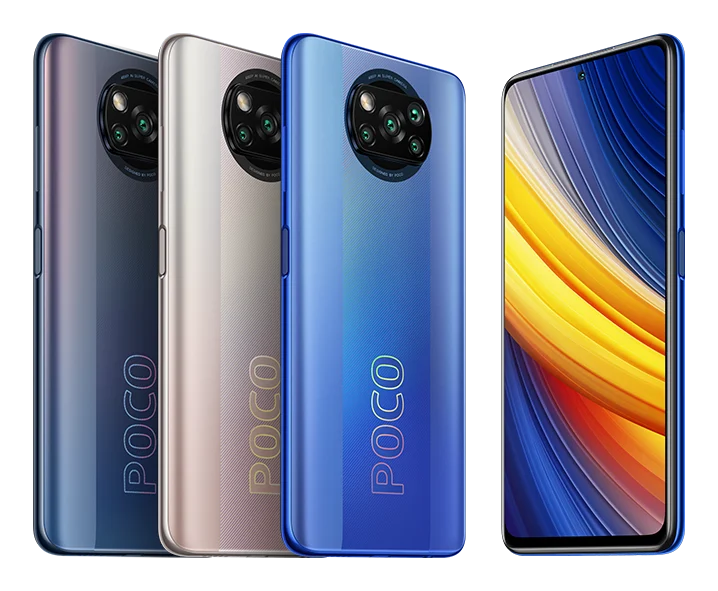
POCO X3 Pro: Qualcomm Snapdragon 860, released Mar 30, 2021, $249
The POCO X3 Pro is 5 months newer.
Chip vs chip: Huawei Kirin 9000 vs Qualcomm Snapdragon 860 →

InnoReviews verdict
Huawei Mate 40 Pro wins this phone face-off, 51.3 to 45.9, pulling ahead mainly in performance (+2). POCO X3 Pro still makes sense if its price or standout specs fit your needs better.
Key differences
Reasons to pick the Huawei Mate 40 Pro
- 10% higher AnTuTu: 878,884 vs 797,072
- 150% higher ultra-wide: 20 MP vs 8 MP
- 100% higher wired charging: 66 W vs 33 W
- 40% higher AnTuTu 11 (GPU): 165,066 vs 117,663
- 24% higher AnTuTu 11 (Memory): 199,045 vs 160,389
Reasons to pick the POCO X3 Pro
- 54% higher front camera: 20 MP vs 13 MP
- 33% higher refresh rate: 120 Hz vs 90 Hz
- 17% higher capacity: 5,160 mAh vs 4,400 mAh
- Has 3.5mm jack — the other doesn't
Which would you pick?
Huawei Mate 40 Pro vs POCO X3 Pro: full specs
Display
| Spec | Huawei Mate 40 Pro | POCO X3 Pro |
|---|---|---|
| Screen size | 6.76 ″+1% | 6.67 ″ |
| Panel type | OLED | IPS LCD |
| Resolution | 2772x1344 | 2400x1080 |
| Pixel density | 456 ppi+15% | 395 ppi |
| Refresh rate | 90 Hz | 120 Hz+33% |
| Peak brightness | 925 nits | — |
Performance
| Spec | Huawei Mate 40 Pro | POCO X3 Pro |
|---|---|---|
| Chipset | Kirin 9000 | Snapdragon 860 |
| AnTuTu 11 | 878,884+10%Bottom 17% | 797,072Bottom 12% |
| AnTuTu 11 (CPU) | 296,136Bottom 15% | 296,362Bottom 16% |
| AnTuTu 11 (GPU) | 165,066+40%Bottom 23% | 117,663Bottom 16% |
| AnTuTu 11 (Memory) | 199,045+24%Bottom 35% | 160,389Bottom 19% |
| AnTuTu 11 (UX) | 218,637Bottom 9% | 222,658+2%Bottom 10% |
| AnTuTu 12 | — | 907,218Bottom 16% |
| RAM (max) | 8 GB | 8 GB |
| Storage options | 128GB / 256GB / 512GB | 128GB / 256GB |
| Storage type | UFS 3.1 | UFS 3.1 |
Camera
| Spec | Huawei Mate 40 Pro | POCO X3 Pro |
|---|---|---|
| Main camera | 50 MP+4% | 48 MP |
| Main aperture | f/1.9 | f/1.8 |
| Ultra-wide | 20 MP+150% | 8 MP |
| Telephoto | 12 MP | — |
| Optical zoom | 5 x | — |
| Max video | 4K@60fps | 4K@30fps |
| Front camera | 13 MP | 20 MP+54% |
| OIS | No | No |
Battery
| Spec | Huawei Mate 40 Pro | POCO X3 Pro |
|---|---|---|
| Capacity | 4,400 mAh | 5,160 mAh+17% |
| Wired charging | 66 W+100% | 33 W |
| Wireless charging | 50 W | — |
Design
| Spec | Huawei Mate 40 Pro | POCO X3 Pro |
|---|---|---|
| Weight | 212 g+1% | 215 g |
| Thickness | 9.1 mm+3% | 9.4 mm |
| IP rating | IP68 | IP53 |
| Frame material | Aluminum | Plastic |
Connectivity
| Spec | Huawei Mate 40 Pro | POCO X3 Pro |
|---|---|---|
| 5G | Yes | No |
| Wi-Fi | Wi-Fi 6 | Wi-Fi 5 |
| Bluetooth | 5.2 | 5.0 |
| NFC | Yes | Yes |
| USB | USB-C 3.1 Gen 1 | USB-C 2.0 |
| eSIM | — | No |
Software
| Spec | Huawei Mate 40 Pro | POCO X3 Pro |
|---|---|---|
| OS at launch | Android 10 (EMUI 11) | Android 11 (MIUI 12) |
| OS update pledge | — | 2 years |
Audio
| Spec | Huawei Mate 40 Pro | POCO X3 Pro |
|---|---|---|
| Stereo speakers | Yes | Yes |
| 3.5mm jack | No | Yes |
Quick answers
Which is better: Huawei Mate 40 Pro or POCO X3 Pro?
Huawei Mate 40 Pro wins this phone face-off, 51.3 to 45.9, pulling ahead mainly in performance (+2). POCO X3 Pro still makes sense if its price or standout specs fit your needs better.
How do the scores compare?
Huawei Mate 40 Pro scores 51.3/100 overall; POCO X3 Pro scores 45.9/100. Huawei Mate 40 Pro wins 11 individual spec rows, POCO X3 Pro wins 6.
What are the main differences between the Huawei Mate 40 Pro and the POCO X3 Pro?
Huawei Mate 40 Pro advantages: 10% higher AnTuTu: 878,884 vs 797,072; 150% higher ultra-wide: 20 MP vs 8 MP; 100% higher wired charging: 66 W vs 33 W; 40% higher AnTuTu 11 (GPU): 165,066 vs 117,663; 24% higher AnTuTu 11 (Memory): 199,045 vs 160,389. POCO X3 Pro advantages: 54% higher front camera: 20 MP vs 13 MP; 33% higher refresh rate: 120 Hz vs 90 Hz; 17% higher capacity: 5,160 mAh vs 4,400 mAh; Has 3.5mm jack — the other doesn't.
Use this on your site or forum
Copy a ready-made link. Scores on this page update as new results are published, so the link always leads to the current figures.