Huawei Mate 80 Pro vs Xiaomi 17T
Huawei Mate 80 Pro: Huawei Kirin 9030 Pro, released Nov 25, 2025
Xiaomi 17T: MediaTek Dimensity 8500, released May 28, 2026, EUR 749 (Europe)
The Xiaomi 17T is 6 months newer.
Chip vs chip: Huawei Kirin 9030 Pro vs MediaTek Dimensity 8500 →
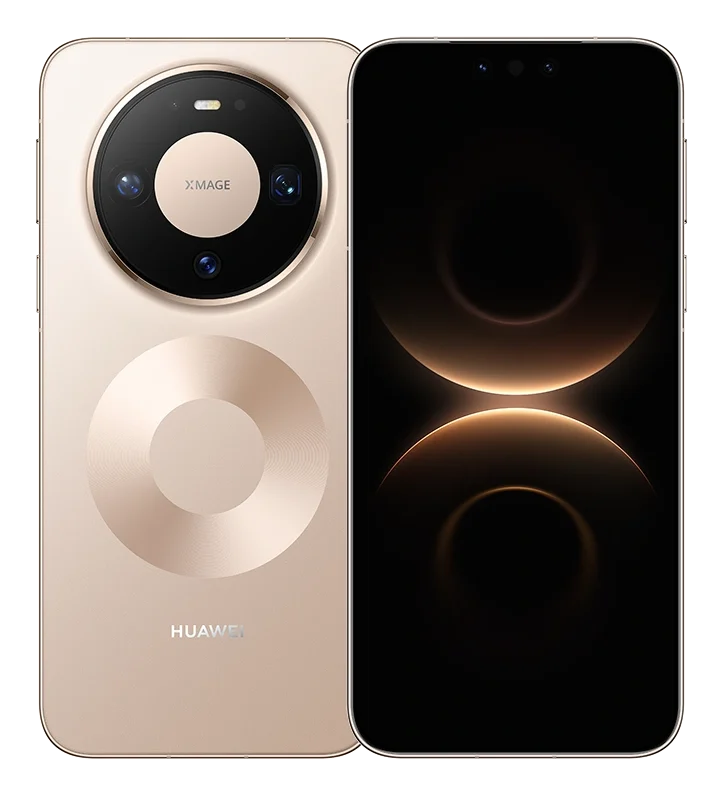
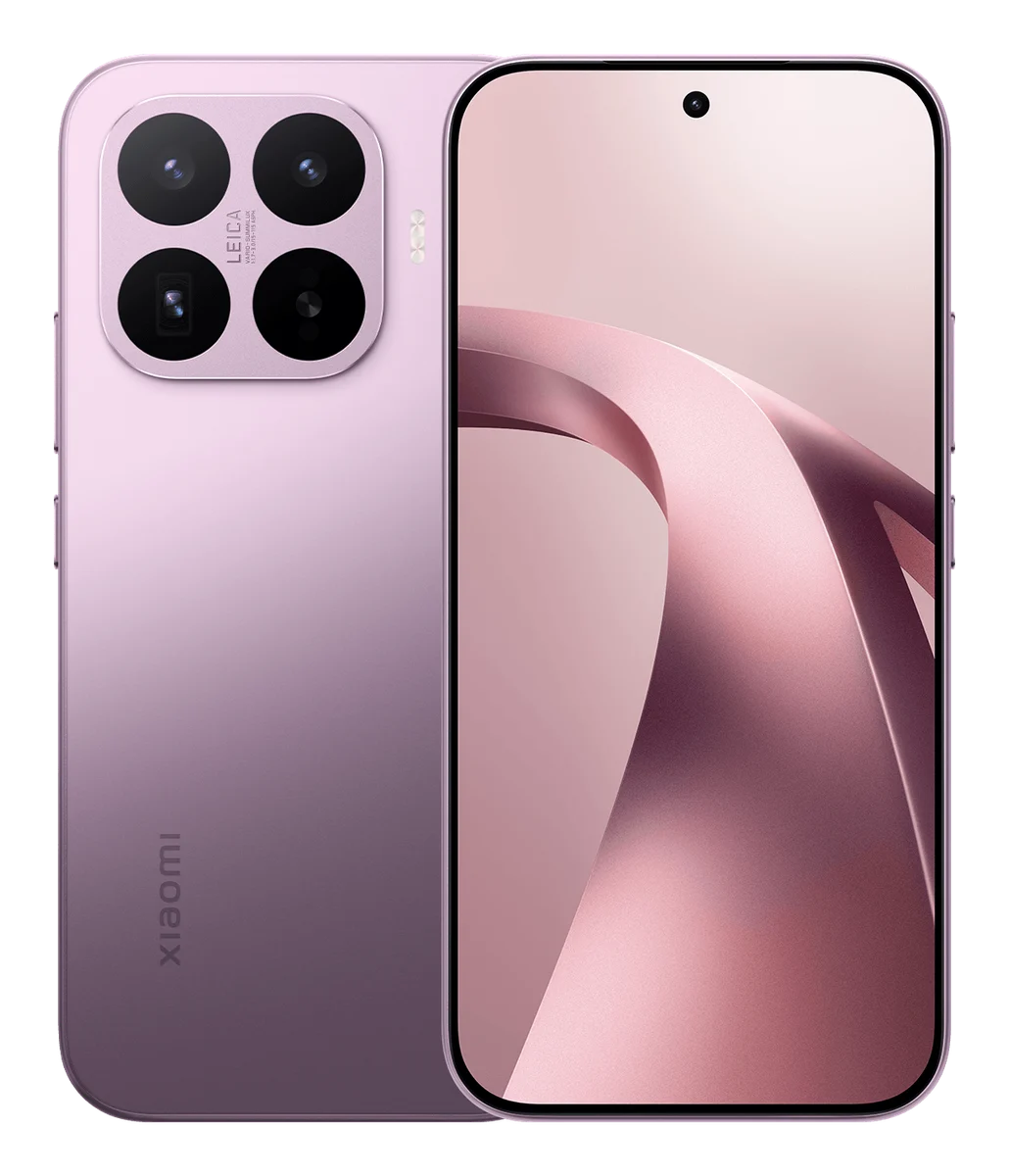
InnoReviews verdictToo close to call
This one is close to a dead heat: Huawei Mate 80 Pro scores 64.9 against 64.9 for Xiaomi 17T. Pick by the categories that matter to you, or by price.
Key differences
Reasons to pick the Huawei Mate 80 Pro
- 49% higher wired charging: 100 W vs 67 W
- Ultra-wide: 40 MP vs 12 MP
- 33% higher RAM (max): 16 GB vs 12 GB
Reasons to pick the Xiaomi 17T
- 25% higher optical zoom: 5 x vs 4 x
- 17% higher peak brightness: 3,500 nits vs 3,000 nits
- 13% higher capacity: 6,500 mAh vs 5,750 mAh
- Front camera: 32 MP vs 13 MP
- Has eSIM — the other doesn't
Up next
Huawei Mate 80 Pro vs Xiaomi 17T: benchmarks
Where we have no result for the Huawei Mate 80 Pro or the Xiaomi 17T themselves, their bars show their chips' published results, tagged as the chips'
Geekbench 6 (single)
- Huawei Mate 80 Pro chip result · via Huawei Kirin 9030 Pro1,558
- Xiaomi 17T chip result · via MediaTek Dimensity 85001,519
Published results: review runs where we found them, otherwise typical published figures. A chip's figure is normally the median of review runs on devices with that chip.
Geekbench 6 (multi)
- Xiaomi 17T6,607
- Huawei Mate 80 Pro chip result · via Huawei Kirin 9030 Pro5,869
Published results: review runs where we found them, otherwise typical published figures. A chip's figure is normally the median of review runs on devices with that chip.
Not drawn side by side, because only one device has a published result or the two come from different versions:
- AnTuTu 11: Xiaomi 17T 2,026,828
Which would you pick?
Huawei Mate 80 Pro vs Xiaomi 17T: full specs
Display
| Spec | Huawei Mate 80 Pro | Xiaomi 17T |
|---|---|---|
| Screen size | 6.75 ″+2% | 6.59 ″ |
| Panel type | LTPO OLED | AMOLED |
| Resolution | 2832x1280 | 1268x2756 |
| Pixel density | 460 ppi | 460 ppi |
| Refresh rate | 120 Hz | 120 Hz |
| Peak brightness | 3,000 nits | 3,500 nits+17% |
| Screen-to-body | 89.7 % | 89.8 % |
Performance
| Spec | Huawei Mate 80 Pro | Xiaomi 17T |
|---|---|---|
| Chipset | Kirin 9030 Pro | MediaTek Dimensity 8500 Ultra |
| AnTuTu | — | 2,026,828Top 47% |
| AnTuTu 11 (CPU) | — | 601,350Top 47% |
| AnTuTu 11 (GPU) | — | 621,499Top 49% |
| AnTuTu 11 (Memory) | — | 347,671Top 34% |
| AnTuTu 11 (UX) | — | 456,308Bottom 49% |
| AnTuTu 12 | — | 2,193,715Top 50% |
| Geekbench 6 (multi) | — | 6,607Top 31% |
| RAM (max) | 16 GB+33% | 12 GB |
| Storage options | 256GB / 512GB / 1TB | 256GB/512GB |
| Storage type | — | UFS 4.0 |
Camera
| Spec | Huawei Mate 80 Pro | Xiaomi 17T |
|---|---|---|
| Main camera | 50 MP | 50 MP |
| Main aperture | f/1.4-4.0 | f/1.7 |
| Ultra-wide | 40 MP+233% | 12 MP |
| Telephoto | 48 MP | 50 MP+4% |
| Optical zoom | 4 x | 5 x+25% |
| Max video | 4K | 4K@60fps |
| Front camera | 13 MP | 32 MP+146% |
| OIS | Yes | Yes |
Battery
| Spec | Huawei Mate 80 Pro | Xiaomi 17T |
|---|---|---|
| Capacity | 5,750 mAh | 6,500 mAh+13% |
| Wired charging | 100 W+49% | 67 W |
| Wireless charging | 80 W | — |
| Active use endurance | 14 h | — |
Design
| Spec | Huawei Mate 80 Pro | Xiaomi 17T |
|---|---|---|
| Weight | 219 g | 200 g+9% |
| Thickness | 8 mm+3% | 8.2 mm |
| IP rating | IP68/IP69 | IP68 |
| Frame material | Aluminum | Plastic |
Connectivity
| Spec | Huawei Mate 80 Pro | Xiaomi 17T |
|---|---|---|
| 5G | Yes | Yes |
| Wi-Fi | Wi-Fi 7 | Wi-Fi 7 |
| Bluetooth | 6.0 | 5.4 |
| NFC | Yes | Yes |
| USB | USB-C 3.1 | USB Type-C 2.0 |
| eSIM | No | Yes |
Software
| Spec | Huawei Mate 80 Pro | Xiaomi 17T |
|---|---|---|
| OS at launch | EMUI 15 / HarmonyOS 6.0 | Android 16 (HyperOS 3) |
| OS update pledge | — | 4 years |
EU energy label (manufacturer-declared)
| Spec | Huawei Mate 80 Pro | Xiaomi 17T |
|---|---|---|
| Energy class | — | A |
| Battery endurance per cycle | — | 65.7 h |
| Battery cycles to 80% capacity | — | 1,000 |
| Repairability class | — | C |
| Drop resistance class | — | B |
| EPREL registration | — | 2648677 |
AudioNo differences
| Spec | Huawei Mate 80 Pro | Xiaomi 17T |
|---|---|---|
| Stereo speakers | Yes | Yes |
| 3.5mm jack | No | No |
Launch
| Spec | Huawei Mate 80 Pro | Xiaomi 17T |
|---|---|---|
| Launch price | — | EUR 749 (Europe) |
Quick answers
Which is better: Huawei Mate 80 Pro or Xiaomi 17T?
This one is close to a dead heat: Huawei Mate 80 Pro scores 64.9 against 64.9 for Xiaomi 17T. Pick by the categories that matter to you, or by price.
How do the scores compare?
Huawei Mate 80 Pro scores 64.9/100 overall; Xiaomi 17T scores 64.9/100. Huawei Mate 80 Pro wins 5 individual spec rows, Xiaomi 17T wins 8.
What are the main differences between the Huawei Mate 80 Pro and the Xiaomi 17T?
Huawei Mate 80 Pro advantages: 49% higher wired charging: 100 W vs 67 W; Ultra-wide: 40 MP vs 12 MP; 33% higher RAM (max): 16 GB vs 12 GB. Xiaomi 17T advantages: 25% higher optical zoom: 5 x vs 4 x; 17% higher peak brightness: 3,500 nits vs 3,000 nits; 13% higher capacity: 6,500 mAh vs 5,750 mAh; Front camera: 32 MP vs 13 MP; Has eSIM — the other doesn't.
Use this on your site or forum
Copy a ready-made link. Scores on this page update as new results are published, so the link always leads to the current figures.