iQOO 12 vs Xiaomi 14
iQOO 12: Qualcomm Snapdragon 8 Gen 3, released Nov 14, 2023
Xiaomi 14: Qualcomm Snapdragon 8 Gen 3, released Oct 26, 2023, $999
Both use the Qualcomm Snapdragon 8 Gen 3, so raw chip performance is the same; the differences come from cooling, memory and the rest of the hardware.
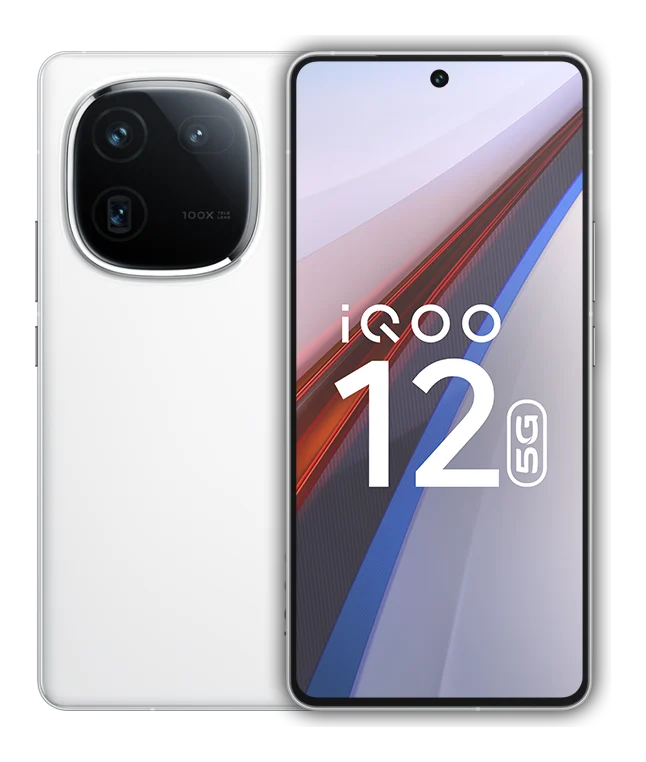
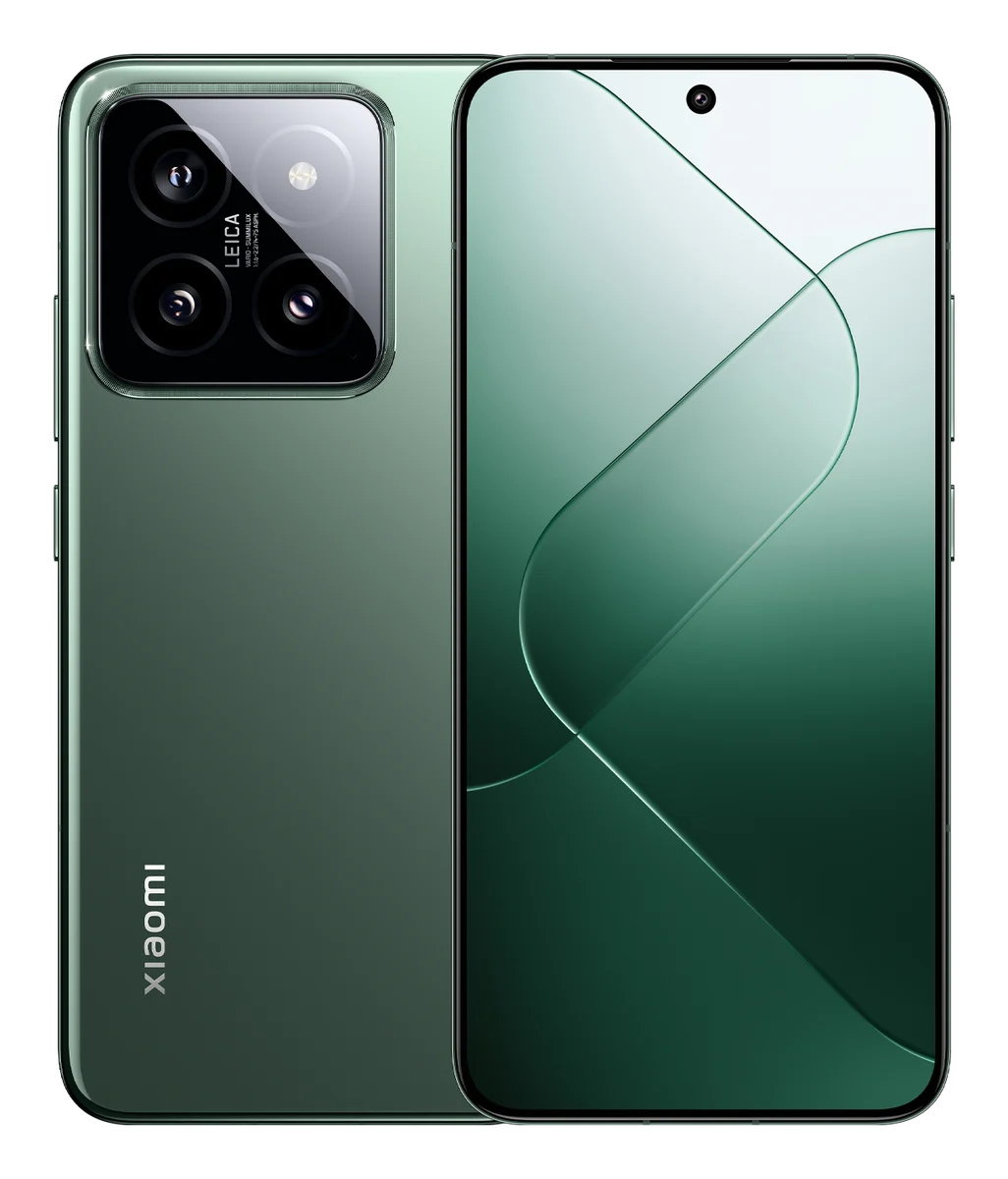
InnoReviews verdictToo close to call
This one is close to a dead heat: iQOO 12 scores 67.4 against 66.9 for Xiaomi 14. Pick by the categories that matter to you — iQOO 12 edges ahead in performance, or by price.
Key differences
Reasons to pick the iQOO 12
- 6% higher Geekbench 6 (single): 2,277 vs 2,144
- 33% higher wired charging: 120 W vs 90 W
- 20% higher refresh rate: 144 Hz vs 120 Hz
- 13% higher active use endurance: 13.5 h vs 12 h
- Telephoto: 64 MP vs 50 MP
Reasons to pick the Xiaomi 14
- Front camera: 32 MP vs 16 MP
- Has eSIM — the other doesn't
Up next
iQOO 12 vs Xiaomi 14: benchmarks
Published results for both, side by side
AnTuTu 11
Each total is one row of AnTuTu's V11 device ranking (July 2026 edition); a chip's total is the row of one mainstream device with it. What's a good AnTuTu score?
Geekbench 6 (single)
- iQOO 122,277
- Xiaomi 142,144
Published results: review runs where we found them, otherwise typical published figures. A chip's figure is normally the median of review runs on devices with that chip.
Which would you pick?
iQOO 12 vs Xiaomi 14: full specs
Display
| Spec | iQOO 12 | Xiaomi 14 |
|---|---|---|
| Screen size | 6.78 ″+7% | 6.36 ″ |
| Panel type | LTPO AMOLED | LTPO AMOLED |
| Resolution | 2800x1260 | 1200x2670 |
| Pixel density | 452 ppi | 460 ppi+2% |
| Refresh rate | 144 Hz+20% | 120 Hz |
| Peak brightness | 3,000 nits | 3,000 nits |
| Screen-to-body | 93.4 %+4% | 89.6 % |
Performance
| Spec | iQOO 12 | Xiaomi 14 |
|---|---|---|
| Chipset | Snapdragon 8 Gen 3 | Snapdragon 8 Gen 3 |
| AnTuTu 11 | 2,207,900Top 42% | 2,260,412+2%Top 38% |
| AnTuTu 11 (CPU) | 582,757Top 50% | 631,197+8%Top 42% |
| AnTuTu 11 (GPU) | 784,251+3%Top 37% | 760,820Top 41% |
| AnTuTu 11 (Memory) | 337,580Top 38% | 359,643+7%Top 31% |
| AnTuTu 11 (UX) | 503,312Top 43% | 508,752+1%Top 42% |
| AnTuTu 12 | — | 2,523,970Top 40% |
| Geekbench 6 (single) | 2,277+6%Top 26% | 2,144Top 33% |
| Geekbench 6 (multi) | 6,953+1%Top 26% | 6,914Top 26% |
| RAM (max) | 16 GB | 16 GB |
| Storage options | 256GB/512GB/1TB | 256/512GB/1TB |
| Storage type | UFS 4.0 | UFS 4.0 |
Camera
| Spec | iQOO 12 | Xiaomi 14 |
|---|---|---|
| Main camera | 50 MP | 50 MP |
| Main aperture | f/1.68 | f/1.6 |
| Ultra-wide | 50 MP | 50 MP |
| Telephoto | 64 MP+28% | 50 MP |
| Optical zoom | 3 x | 3.2 x+7% |
| Max video | 8K@30fps | 8K@24fps |
| Front camera | 16 MP | 32 MP+100% |
| OIS | Yes | Yes |
Battery
| Spec | iQOO 12 | Xiaomi 14 |
|---|---|---|
| Capacity | 5,000 mAh+8% | 4,610 mAh |
| Wired charging | 120 W+33% | 90 W |
| Wireless charging | — | 50 W |
| Active use endurance | 13.5 h+13% | 12 h |
Design
| Spec | iQOO 12 | Xiaomi 14 |
|---|---|---|
| Weight | 204 g | 193 g+5% |
| Thickness | 8.1 mm+1% | 8.2 mm |
| IP rating | IP64 | IP68 |
| Frame material | Aluminum | Aluminum |
Connectivity
| Spec | iQOO 12 | Xiaomi 14 |
|---|---|---|
| 5G | Yes | Yes |
| Wi-Fi | Wi-Fi 7 | Wi-Fi 7 |
| Bluetooth | 5.4 | 5.4 |
| NFC | Yes | Yes |
| USB | USB-C 2.0 | USB-C 3.2 |
| eSIM | No | Yes |
Software
| Spec | iQOO 12 | Xiaomi 14 |
|---|---|---|
| OS at launch | Android 14 (Funtouch OS 14) | Android 14 (HyperOS) |
| OS update pledge | 4 years | 4 years |
AudioNo differences
| Spec | iQOO 12 | Xiaomi 14 |
|---|---|---|
| Stereo speakers | Yes | Yes |
| 3.5mm jack | No | No |
Quick answers
Which is better: iQOO 12 or Xiaomi 14?
This one is close to a dead heat: iQOO 12 scores 67.4 against 66.9 for Xiaomi 14. Pick by the categories that matter to you — iQOO 12 edges ahead in performance, or by price.
How do the scores compare?
iQOO 12 scores 67.4/100 overall; Xiaomi 14 scores 66.9/100. iQOO 12 wins 11 individual spec rows, Xiaomi 14 wins 9.
What are the main differences between the iQOO 12 and the Xiaomi 14?
iQOO 12 advantages: 6% higher Geekbench 6 (single): 2,277 vs 2,144; 33% higher wired charging: 120 W vs 90 W; 20% higher refresh rate: 144 Hz vs 120 Hz; 13% higher active use endurance: 13.5 h vs 12 h; Telephoto: 64 MP vs 50 MP. Xiaomi 14 advantages: Front camera: 32 MP vs 16 MP; Has eSIM — the other doesn't.
Use this on your site or forum
Copy a ready-made link. Scores on this page update as new results are published, so the link always leads to the current figures.