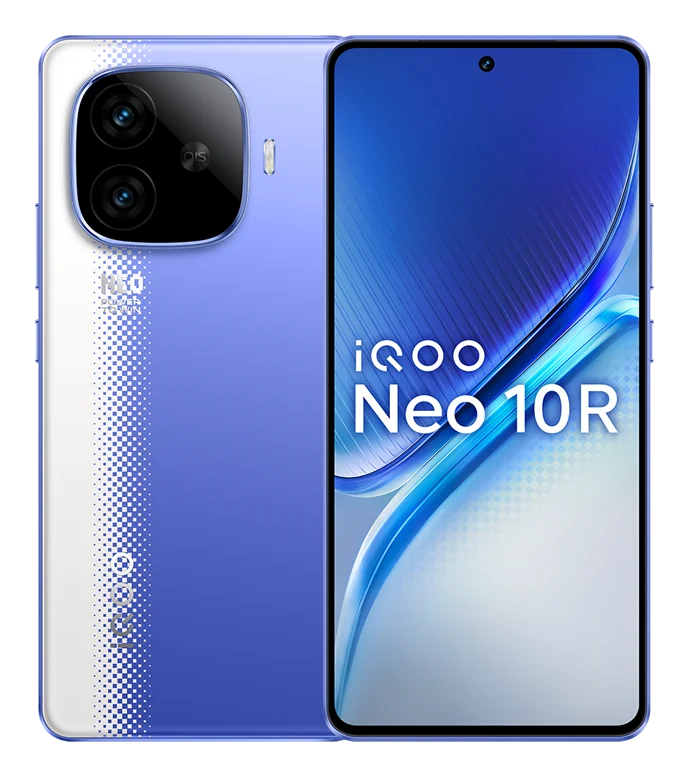
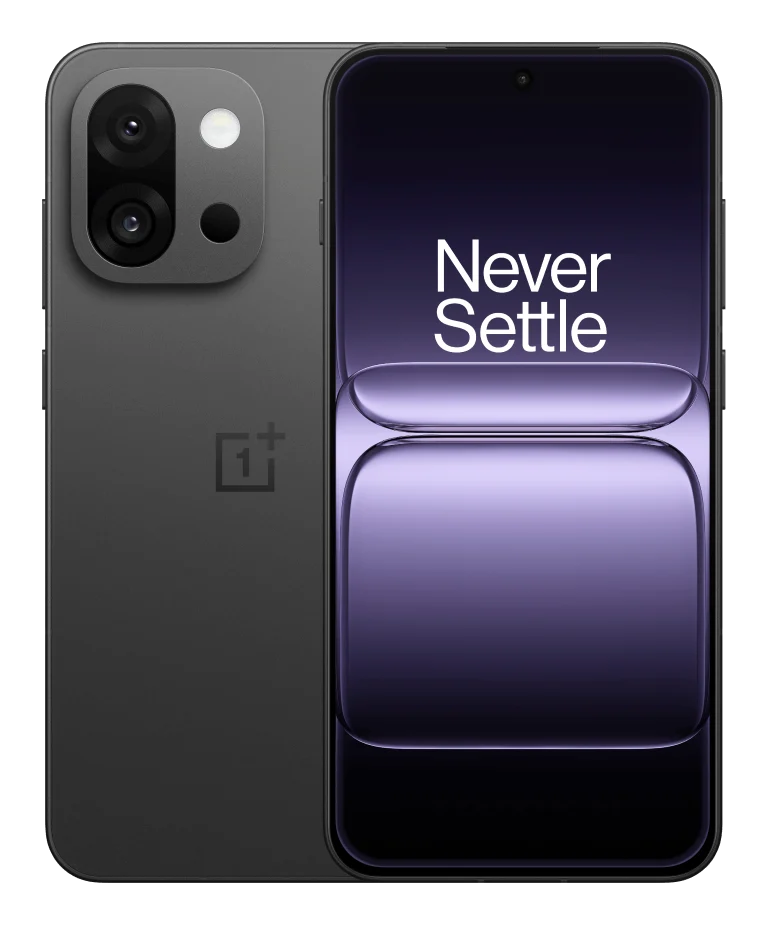
iQOO Neo 10R vs OnePlus 13s
iQOO Neo 10R: Qualcomm Snapdragon 8s Gen 3, released Mar 11, 2025
OnePlus 13s: Qualcomm Snapdragon 8 Elite, released Jun 12, 2025
The OnePlus 13s is 3 months newer.
Chip vs chip: Qualcomm Snapdragon 8s Gen 3 vs Qualcomm Snapdragon 8 Elite →
InnoReviews verdictToo close to call
This one is close to a dead heat: iQOO Neo 10R scores 66 against 66 for OnePlus 13s. Pick by the categories that matter to you, or by price.
Key differences
Reasons to pick the iQOO Neo 10R
- 181% higher peak brightness: 4,500 nits vs 1,600 nits
- 20% higher refresh rate: 144 Hz vs 120 Hz
Reasons to pick the OnePlus 13s
- Stronger performance score: 76 vs 66
- 1 more year of OS updates: 4 years vs 3 years
- 33% higher RAM (max): 16 GB vs 12 GB
- Has NFC — the other doesn't
- Has eSIM — the other doesn't
iQOO Neo 10R vs OnePlus 13s: benchmarks
Published results for both, side by side
Not drawn side by side, because only one device has a published result or the two come from different versions:
- AnTuTu 11: iQOO Neo 10R 1,686,701
- Geekbench 6 (single): OnePlus 13s 2,870
- Geekbench 6 (multi): OnePlus 13s 8,453
Which would you pick?
iQOO Neo 10R vs OnePlus 13s: full specs
Display
| Spec | iQOO Neo 10R | OnePlus 13s |
|---|---|---|
| Screen size | 6.78 ″+7% | 6.32 ″ |
| Panel type | AMOLED | LTPO AMOLED |
| Resolution | 2800x1260 | 1216x2640 |
| Pixel density | 453 ppi | 460 ppi+2% |
| Refresh rate | 144 Hz+20% | 120 Hz |
| Peak brightness | 4,500 nits+181% | 1,600 nits |
| Screen-to-body | 93.4 % | — |
Performance
| Spec | iQOO Neo 10R | OnePlus 13s |
|---|---|---|
| Chipset | Snapdragon 8s Gen 3 | Snapdragon 8 Elite |
| AnTuTu | 1,686,701Bottom 45% | — |
| AnTuTu 11 (CPU) | 532,412Bottom 45% | — |
| AnTuTu 11 (GPU) | 441,247Bottom 44% | — |
| AnTuTu 11 (Memory) | 290,322Bottom 48% | — |
| AnTuTu 11 (UX) | 422,720Bottom 42% | — |
| AnTuTu 12 | 1,816,459Bottom 40% | — |
| Geekbench 6 (single) | — | 2,870Top 19% |
| Geekbench 6 (multi) | — | 8,453Top 18% |
| RAM (max) | 12 GB | 16 GB+33% |
| Storage options | 128GB / 256GB | 256/512GB |
| Storage type | UFS 3.1/4.1 | UFS 4.0 |
Camera
| Spec | iQOO Neo 10R | OnePlus 13s |
|---|---|---|
| Main camera | 50 MP | 50 MP |
| Main aperture | f/1.79 | f/1.8 |
| Ultra-wide | 8 MP | — |
| Telephoto | — | 50 MP |
| Optical zoom | — | 2 x |
| Max video | 4K@60fps | 4K@60fps |
| Front camera | 32 MP | 32 MP |
| OIS | Yes | Yes |
Battery
| Spec | iQOO Neo 10R | OnePlus 13s |
|---|---|---|
| Capacity | 6,400 mAh+9% | 5,850 mAh |
| Wired charging | 80 W | 80 W |
| Wireless charging | — | 0 W |
Design
| Spec | iQOO Neo 10R | OnePlus 13s |
|---|---|---|
| Weight | 196 g | 185 g+6% |
| Thickness | 8 mm+3% | 8.2 mm |
| IP rating | IP65 | IP65 |
| Frame material | Plastic | Aluminum |
Connectivity
| Spec | iQOO Neo 10R | OnePlus 13s |
|---|---|---|
| 5G | Yes | Yes |
| Wi-Fi | Wi-Fi 6 | Wi-Fi 7 |
| Bluetooth | 5.4 | 6.0 |
| NFC | No | Yes |
| USB | — | USB-C 2.0 |
| eSIM | No | Yes |
Software
| Spec | iQOO Neo 10R | OnePlus 13s |
|---|---|---|
| OS at launch | Android 15 (Funtouch OS 15) | Android 15 (OxygenOS 15) |
| OS update pledge | 3 years | 4 years+33% |
Audio
| Spec | iQOO Neo 10R | OnePlus 13s |
|---|---|---|
| Stereo speakers | Yes | Yes |
| 3.5mm jack | — | No |
Quick answers
Which is better: iQOO Neo 10R or OnePlus 13s?
This one is close to a dead heat: iQOO Neo 10R scores 66 against 66 for OnePlus 13s. Pick by the categories that matter to you, or by price.
How do the scores compare?
iQOO Neo 10R scores 66/100 overall; OnePlus 13s scores 66/100. iQOO Neo 10R wins 5 individual spec rows, OnePlus 13s wins 6.
What are the main differences between the iQOO Neo 10R and the OnePlus 13s?
iQOO Neo 10R advantages: 181% higher peak brightness: 4,500 nits vs 1,600 nits; 20% higher refresh rate: 144 Hz vs 120 Hz. OnePlus 13s advantages: Stronger performance score: 76 vs 66; 1 more year of OS updates: 4 years vs 3 years; 33% higher RAM (max): 16 GB vs 12 GB; Has NFC — the other doesn't; Has eSIM — the other doesn't.
Use this on your site or forum
Copy a ready-made link. Scores on this page update as new results are published, so the link always leads to the current figures.