Oukitel G1 vs Redmi A5
Oukitel G1: Unisoc Tiger T606, released Sep 1, 2024
Redmi A5: Unisoc T7250, released Mar 17, 2025
The Redmi A5 is 6 months newer.
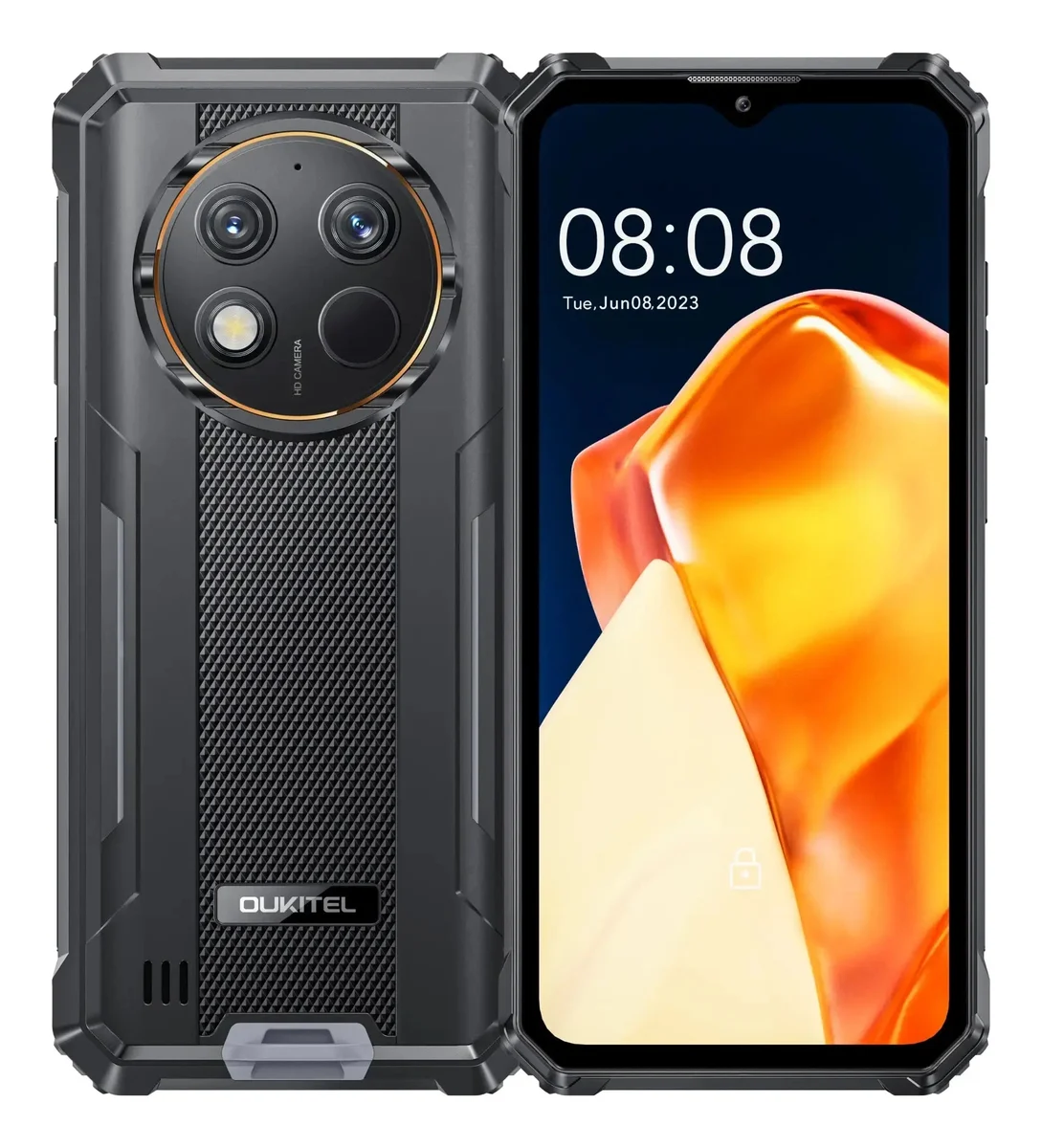
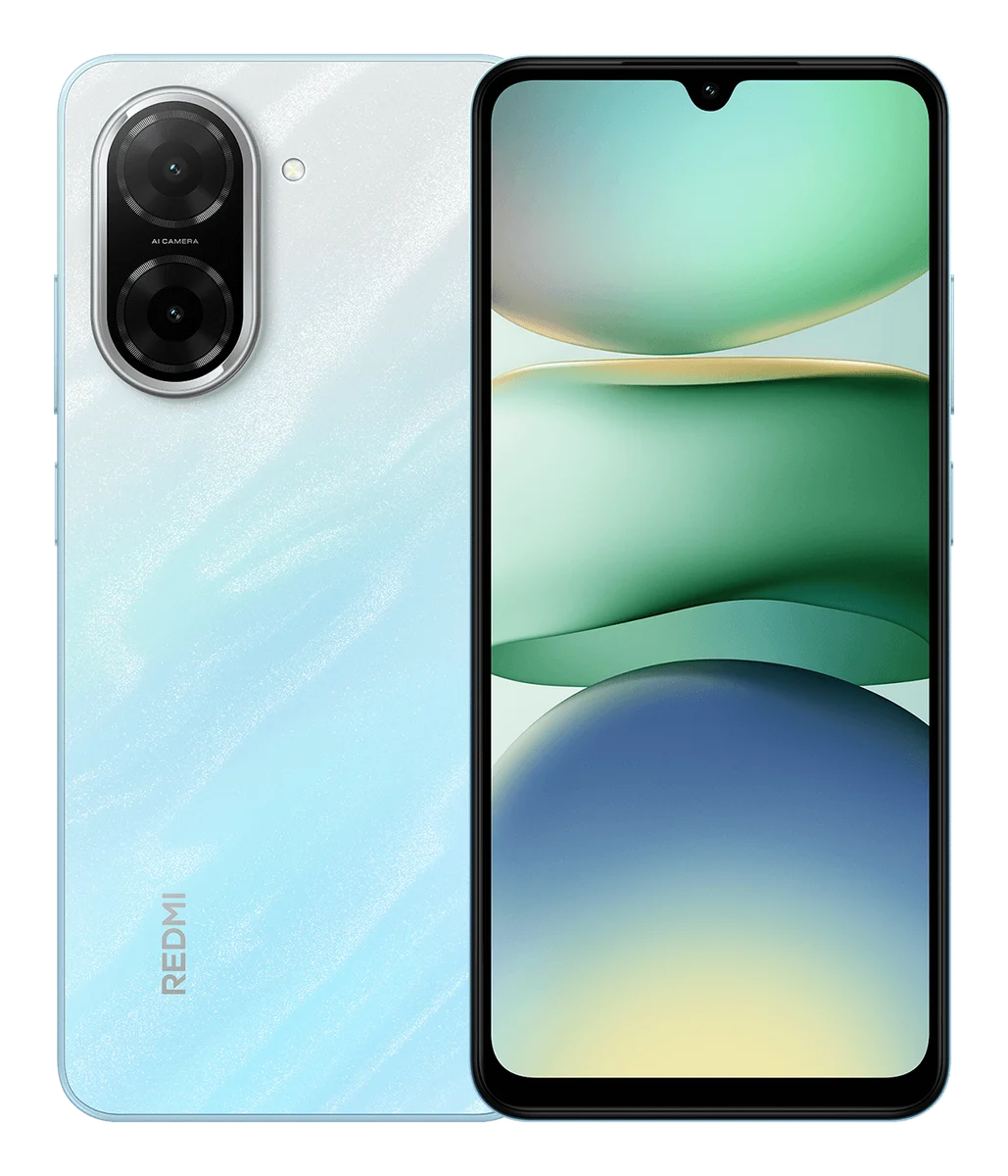
InnoReviews verdictToo close to call
This one is close to a dead heat: Oukitel G1 scores 30.6 against 30.6 for Redmi A5. Pick by the categories that matter to you, or by price.
Key differences
Reasons to pick the Oukitel G1
- 104% higher capacity: 10,600 mAh vs 5,200 mAh
- 20% higher wired charging: 18 W vs 15 W
- Main camera: 48 MP vs 32 MP
- Has NFC — the other doesn't
Reasons to pick the Redmi A5
- 100% higher refresh rate: 120 Hz vs 60 Hz
- 9.1 mm thinner: 8.3 mm vs 17.4 mm
- 50% higher peak brightness: 600 nits vs 400 nits
- 180 g lighter: 193 g vs 373 g
- 21% higher pixel density: 260 ppi vs 215 ppi
Oukitel G1 vs Redmi A5: benchmarks
We have no benchmark result for the Oukitel G1 itself yet, so its bars show its chip's published results, tagged as the chip's
Geekbench 6 (single)
- Redmi A5440
- Oukitel G1 chip result · via Unisoc Tiger T606376
Published results: review runs where we found them, otherwise typical published figures. A chip's figure is normally the median of review runs on devices with that chip.
Geekbench 6 (multi)
- Redmi A51,485
- Oukitel G1 chip result · via Unisoc Tiger T6061,364
Published results: review runs where we found them, otherwise typical published figures. A chip's figure is normally the median of review runs on devices with that chip.
Which would you pick?
Oukitel G1 vs Redmi A5: full specs
Display
| Spec | Oukitel G1 | Redmi A5 |
|---|---|---|
| Screen size | 6.52 ″ | 6.88 ″+6% |
| Panel type | IPS LCD | IPS LCD |
| Resolution | 576x1280 | 720x1640 |
| Pixel density | 215 ppi | 260 ppi+21% |
| Refresh rate | 60 Hz | 120 Hz+100% |
| Peak brightness | 400 nits | 600 nits+50% |
| Screen-to-body | — | 90 % |
Performance
| Spec | Oukitel G1 | Redmi A5 |
|---|---|---|
| Chipset | Unisoc T606 | Unisoc T7250 |
| Geekbench 6 (single) | — | 440Bottom 8% |
| Geekbench 6 (multi) | — | 1,485Bottom 9% |
| RAM (max) | 6 GB | 6 GB |
| Storage options | 256GB | 64/128GB |
| Storage type | UFS 2.1 | eMMC 5.1 |
Camera
| Spec | Oukitel G1 | Redmi A5 |
|---|---|---|
| Main camera | 48 MP+50% | 32 MP |
| Main aperture | f/1.8 | f/2.0 |
| Max video | 1080p@30fps | 1080p@30fps |
| Front camera | 5 MP | 8 MP+60% |
| OIS | — | No |
Battery
| Spec | Oukitel G1 | Redmi A5 |
|---|---|---|
| Capacity | 10,600 mAh+104% | 5,200 mAh |
| Wired charging | 18 W+20% | 15 W |
| Wireless charging | — | 0 W |
Design
| Spec | Oukitel G1 | Redmi A5 |
|---|---|---|
| Weight | 373 g | 193 g+48% |
| Thickness | 17.4 mm | 8.3 mm+53% |
| IP rating | IP68/IP69K | IP52 |
| Frame material | — | Plastic |
Connectivity
| Spec | Oukitel G1 | Redmi A5 |
|---|---|---|
| 5G | No | No |
| Wi-Fi | 802.11 a/b/g/n/ac | Wi-Fi 5 |
| Bluetooth | 5.0 | 5.2 |
| NFC | Yes | No |
| USB | USB Type-C | USB-C 2.0 |
| eSIM | — | No |
Software
| Spec | Oukitel G1 | Redmi A5 |
|---|---|---|
| OS at launch | Android 14 | Android 15 (Go Edition) |
| OS update pledge | — | 2 years |
Audio
| Spec | Oukitel G1 | Redmi A5 |
|---|---|---|
| Stereo speakers | — | No |
| 3.5mm jack | No | Yes |
Quick answers
Which is better: Oukitel G1 or Redmi A5?
This one is close to a dead heat: Oukitel G1 scores 30.6 against 30.6 for Redmi A5. Pick by the categories that matter to you, or by price.
How do the scores compare?
Oukitel G1 scores 30.6/100 overall; Redmi A5 scores 30.6/100. Oukitel G1 wins 4 individual spec rows, Redmi A5 wins 8.
What are the main differences between the Oukitel G1 and the Redmi A5?
Oukitel G1 advantages: 104% higher capacity: 10,600 mAh vs 5,200 mAh; 20% higher wired charging: 18 W vs 15 W; Main camera: 48 MP vs 32 MP; Has NFC — the other doesn't. Redmi A5 advantages: 100% higher refresh rate: 120 Hz vs 60 Hz; 9.1 mm thinner: 8.3 mm vs 17.4 mm; 50% higher peak brightness: 600 nits vs 400 nits; 180 g lighter: 193 g vs 373 g; 21% higher pixel density: 260 ppi vs 215 ppi.
Use this on your site or forum
Copy a ready-made link. Scores on this page update as new results are published, so the link always leads to the current figures.