Sharp AQUOS R11 vs Xiaomi 17T
Sharp AQUOS R11: Qualcomm Snapdragon 8s Gen 4, released Jul 9, 2026
Xiaomi 17T: MediaTek Dimensity 8500, released May 28, 2026, EUR 749 (Europe)
Chip vs chip: Qualcomm Snapdragon 8s Gen 4 vs MediaTek Dimensity 8500 →
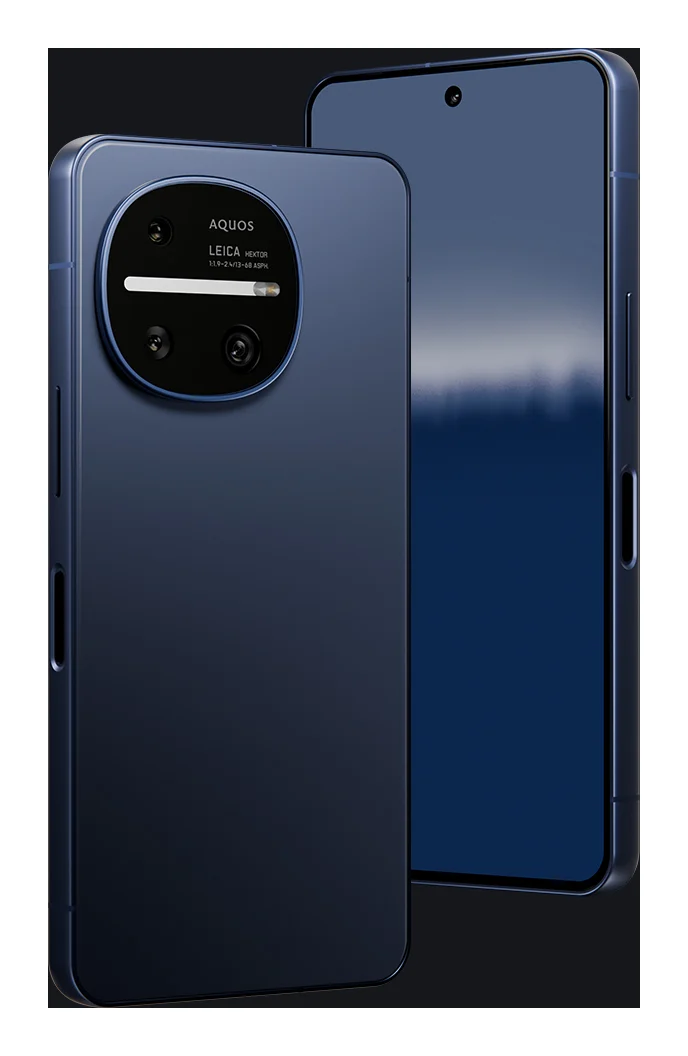
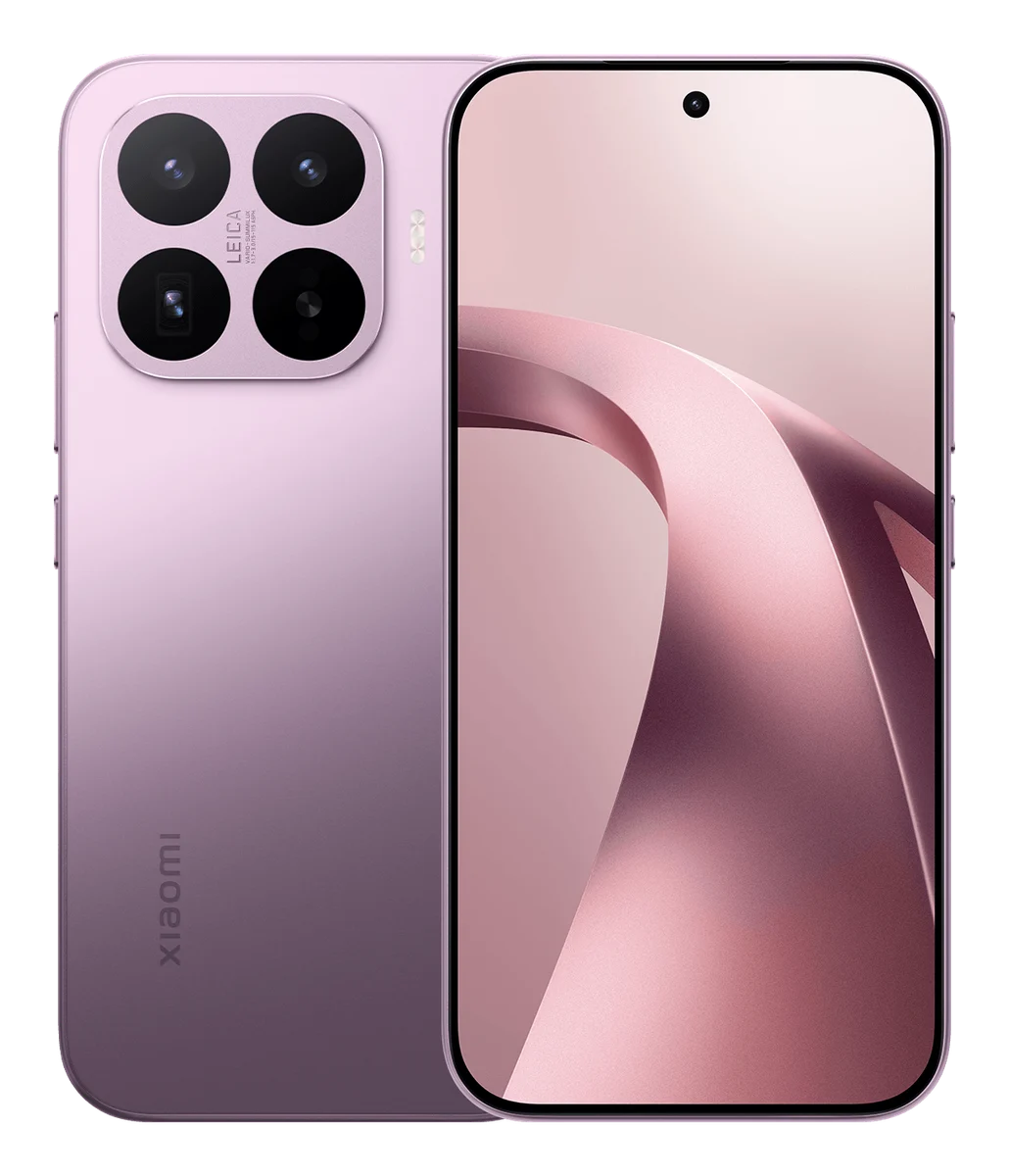
InnoReviews verdictToo close to call
This one is close to a dead heat: Sharp AQUOS R11 scores 64.9 against 64.9 for Xiaomi 17T. Pick by the categories that matter to you — Sharp AQUOS R11 edges ahead in performance, or by price.
Key differences
Reasons to pick the Sharp AQUOS R11
- Stronger performance score: 62 vs 56
- 100% higher refresh rate: 240 Hz vs 120 Hz
- Ultra-wide: 50.3 MP vs 12 MP
- Front camera: 50.3 MP vs 32 MP
Reasons to pick the Xiaomi 17T
- 86% higher wired charging: 67 W vs 36 W
- 72% higher optical zoom: 5 x vs 2.9 x
- 1 more year of OS updates: 4 years vs 3 years
- 27% higher capacity: 6,500 mAh vs 5,100 mAh
- 16% higher pixel density: 460 ppi vs 396 ppi
Up next
Sharp AQUOS R11 vs Xiaomi 17T: benchmarks
Where we have no result for the Sharp AQUOS R11 or the Xiaomi 17T themselves, their bars show their chips' published results, tagged as the chips'
AnTuTu 11
- Sharp AQUOS R11 chip result · via Qualcomm Snapdragon 8s Gen 42,324,829
- Xiaomi 17T2,026,828
Each total is one row of AnTuTu's V11 device ranking (July 2026 edition); a chip's total is the row of one mainstream device with it. What's a good AnTuTu score?
Geekbench 6 (single)
- Sharp AQUOS R11 chip result · via Qualcomm Snapdragon 8s Gen 42,135
- Xiaomi 17T chip result · via MediaTek Dimensity 85001,519
Published results: review runs where we found them, otherwise typical published figures. A chip's figure is normally the median of review runs on devices with that chip.
Geekbench 6 (multi)
- Sharp AQUOS R11 chip result · via Qualcomm Snapdragon 8s Gen 46,832
- Xiaomi 17T6,607
Published results: review runs where we found them, otherwise typical published figures. A chip's figure is normally the median of review runs on devices with that chip.
Which would you pick?
Sharp AQUOS R11 vs Xiaomi 17T: full specs
Display
| Spec | Sharp AQUOS R11 | Xiaomi 17T |
|---|---|---|
| Screen size | 6.5 ″ | 6.59 ″+1% |
| Panel type | LTPO Pro IGZO OLED | AMOLED |
| Resolution | 1080x2340 | 1268x2756 |
| Pixel density | 396 ppi | 460 ppi+16% |
| Refresh rate | 240 Hz+100% | 120 Hz |
| Peak brightness | 3,600 nits+3% | 3,500 nits |
| Screen-to-body | 89.8 % | 89.8 % |
Performance
| Spec | Sharp AQUOS R11 | Xiaomi 17T |
|---|---|---|
| Chipset | Qualcomm Snapdragon 8s Gen 4 | MediaTek Dimensity 8500 Ultra |
| AnTuTu | — | 2,026,828Top 47% |
| AnTuTu 11 (CPU) | — | 601,350Top 47% |
| AnTuTu 11 (GPU) | — | 621,499Top 49% |
| AnTuTu 11 (Memory) | — | 347,671Top 34% |
| AnTuTu 11 (UX) | — | 456,308Bottom 49% |
| AnTuTu 12 | — | 2,193,715Top 50% |
| Geekbench 6 (multi) | — | 6,607Top 31% |
| RAM (max) | 12 GB | 12 GB |
| Storage options | 256/512GB | 256GB/512GB |
| Storage type | UFS 4.1 | UFS 4.0 |
Camera
| Spec | Sharp AQUOS R11 | Xiaomi 17T |
|---|---|---|
| Main camera | 50.3 MP+1% | 50 MP |
| Main aperture | f/1.9 | f/1.7 |
| Ultra-wide | 50.3 MP+319% | 12 MP |
| Telephoto | 38.5 MP | 50 MP+30% |
| Optical zoom | 2.9 x | 5 x+72% |
| Max video | 4K@30fps | 4K@60fps |
| Front camera | 50.3 MP+57% | 32 MP |
| OIS | Yes | Yes |
Battery
| Spec | Sharp AQUOS R11 | Xiaomi 17T |
|---|---|---|
| Capacity | 5,100 mAh | 6,500 mAh+27% |
| Wired charging | 36 W | 67 W+86% |
Design
| Spec | Sharp AQUOS R11 | Xiaomi 17T |
|---|---|---|
| Weight | 195 g+2% | 200 g |
| Thickness | 8.9 mm | 8.2 mm+8% |
| IP rating | IP68/IP69 | IP68 |
| Frame material | Aluminum | Plastic |
Connectivity
| Spec | Sharp AQUOS R11 | Xiaomi 17T |
|---|---|---|
| 5G | Yes | Yes |
| Wi-Fi | Wi-Fi 7 | Wi-Fi 7 |
| Bluetooth | 6.0 | 5.4 |
| NFC | Yes | Yes |
| USB | USB-C 3.2 | USB Type-C 2.0 |
| eSIM | Yes | Yes |
Software
| Spec | Sharp AQUOS R11 | Xiaomi 17T |
|---|---|---|
| OS at launch | Android 16 | Android 16 (HyperOS 3) |
| OS update pledge | 3 years | 4 years+33% |
EU energy label (manufacturer-declared)
| Spec | Sharp AQUOS R11 | Xiaomi 17T |
|---|---|---|
| Energy class | — | A |
| Battery endurance per cycle | — | 65.7 h |
| Battery cycles to 80% capacity | — | 1,000 |
| Repairability class | — | C |
| Drop resistance class | — | B |
| EPREL registration | — | 2648677 |
AudioNo differences
| Spec | Sharp AQUOS R11 | Xiaomi 17T |
|---|---|---|
| Stereo speakers | Yes | Yes |
| 3.5mm jack | No | No |
Launch
| Spec | Sharp AQUOS R11 | Xiaomi 17T |
|---|---|---|
| Launch price | — | EUR 749 (Europe) |
Quick answers
Which is better: Sharp AQUOS R11 or Xiaomi 17T?
This one is close to a dead heat: Sharp AQUOS R11 scores 64.9 against 64.9 for Xiaomi 17T. Pick by the categories that matter to you — Sharp AQUOS R11 edges ahead in performance, or by price.
How do the scores compare?
Sharp AQUOS R11 scores 64.9/100 overall; Xiaomi 17T scores 64.9/100. Sharp AQUOS R11 wins 6 individual spec rows, Xiaomi 17T wins 8.
What are the main differences between the Sharp AQUOS R11 and the Xiaomi 17T?
Sharp AQUOS R11 advantages: Stronger performance score: 62 vs 56; 100% higher refresh rate: 240 Hz vs 120 Hz; Ultra-wide: 50.3 MP vs 12 MP; Front camera: 50.3 MP vs 32 MP. Xiaomi 17T advantages: 86% higher wired charging: 67 W vs 36 W; 72% higher optical zoom: 5 x vs 2.9 x; 1 more year of OS updates: 4 years vs 3 years; 27% higher capacity: 6,500 mAh vs 5,100 mAh; 16% higher pixel density: 460 ppi vs 396 ppi.
Use this on your site or forum
Copy a ready-made link. Scores on this page update as new results are published, so the link always leads to the current figures.