Ulefone Armor X32 Pro vs vivo T4 Lite 5G
Ulefone Armor X32 Pro: MediaTek Dimensity 6300, released Apr 14, 2025
vivo T4 Lite 5G: MediaTek Dimensity 6300, released Jul 2, 2025
The vivo T4 Lite 5G is 3 months newer.
Both use the MediaTek Dimensity 6300, so raw chip performance is the same; the differences come from cooling, memory and the rest of the hardware.
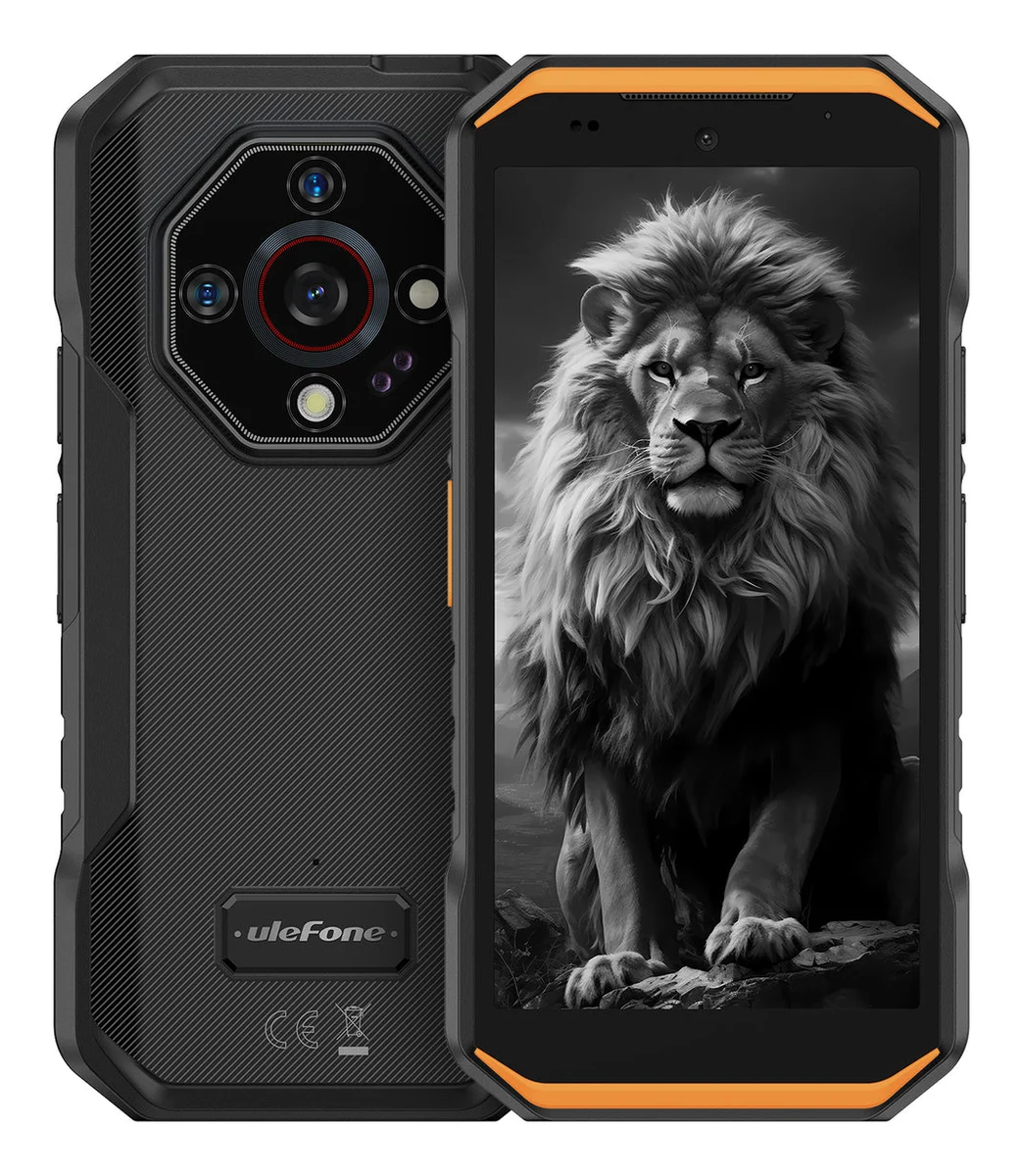
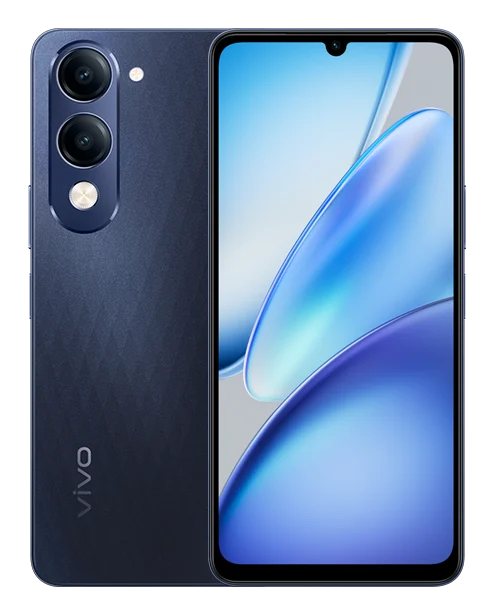
InnoReviews verdictToo close to call
This one is close to a dead heat: Ulefone Armor X32 Pro scores 34 against 34.1 for vivo T4 Lite 5G. Pick by the categories that matter to you, or by price.
Key differences
Reasons to pick the Ulefone Armor X32 Pro
- 20% higher wired charging: 18 W vs 15 W
- 10% higher pixel density: 285 ppi vs 260 ppi
- Front camera: 16 MP vs 5 MP
- Main camera: 64 MP vs 50 MP
- Has NFC — the other doesn't
Reasons to pick the vivo T4 Lite 5G
- 67% higher peak brightness: 1,000 nits vs 600 nits
- 6.3 mm thinner: 8.2 mm vs 14.5 mm
- 78 g lighter: 202 g vs 280 g
- 36% higher screen-to-body: 85.1 % vs 62.4 %
- 19% higher screen size: 6.74 ″ vs 5.65 ″
Which would you pick?
Ulefone Armor X32 Pro vs vivo T4 Lite 5G: full specs
Display
| Spec | Ulefone Armor X32 Pro | vivo T4 Lite 5G |
|---|---|---|
| Screen size | 5.65 ″ | 6.74 ″+19% |
| Panel type | IPS LCD | IPS LCD |
| Resolution | 720x1440 | 720x1600 |
| Pixel density | 285 ppi+10% | 260 ppi |
| Refresh rate | 90 Hz | 90 Hz |
| Peak brightness | 600 nits | 1,000 nits+67% |
| Screen-to-body | 62.4 % | 85.1 %+36% |
Performance
| Spec | Ulefone Armor X32 Pro | vivo T4 Lite 5G |
|---|---|---|
| Chipset | MediaTek Dimensity 6300 | MediaTek Dimensity 6300 |
| RAM (max) | 8 GB | 8 GB |
| Storage options | 256GB | 128GB / 256GB |
Camera
| Spec | Ulefone Armor X32 Pro | vivo T4 Lite 5G |
|---|---|---|
| Main camera | 64 MP+28% | 50 MP |
| Main aperture | f/1.9 | f/1.8 |
| Max video | 1440p@30fps | 1080p |
| Front camera | 16 MP+220% | 5 MP |
| OIS | — | No |
Battery
| Spec | Ulefone Armor X32 Pro | vivo T4 Lite 5G |
|---|---|---|
| Capacity | 5,500 mAh | 6,000 mAh+9% |
| Wired charging | 18 W+20% | 15 W |
Design
| Spec | Ulefone Armor X32 Pro | vivo T4 Lite 5G |
|---|---|---|
| Weight | 280 g | 202 g+28% |
| Thickness | 14.5 mm | 8.2 mm+44% |
| IP rating | IP68/IP69K | IP64 |
Connectivity
| Spec | Ulefone Armor X32 Pro | vivo T4 Lite 5G |
|---|---|---|
| 5G | Yes | Yes |
| Wi-Fi | Wi-Fi 5 | Wi-Fi 5 dual-band |
| Bluetooth | 5.2 | 5.4 |
| NFC | Yes | No |
| USB | USB-C 2.0 | USB-C 2.0 |
Software
| Spec | Ulefone Armor X32 Pro | vivo T4 Lite 5G |
|---|---|---|
| OS at launch | Android 14 | Android 15 (Funtouch OS 15) |
| OS update pledge | — | 2 years |
Audio
| Spec | Ulefone Armor X32 Pro | vivo T4 Lite 5G |
|---|---|---|
| 3.5mm jack | Yes | Yes |
Quick answers
Which is better: Ulefone Armor X32 Pro or vivo T4 Lite 5G?
This one is close to a dead heat: Ulefone Armor X32 Pro scores 34 against 34.1 for vivo T4 Lite 5G. Pick by the categories that matter to you, or by price.
How do the scores compare?
Ulefone Armor X32 Pro scores 34/100 overall; vivo T4 Lite 5G scores 34.1/100. Ulefone Armor X32 Pro wins 5 individual spec rows, vivo T4 Lite 5G wins 6.
What are the main differences between the Ulefone Armor X32 Pro and the vivo T4 Lite 5G?
Ulefone Armor X32 Pro advantages: 20% higher wired charging: 18 W vs 15 W; 10% higher pixel density: 285 ppi vs 260 ppi; Front camera: 16 MP vs 5 MP; Main camera: 64 MP vs 50 MP; Has NFC — the other doesn't. vivo T4 Lite 5G advantages: 67% higher peak brightness: 1,000 nits vs 600 nits; 6.3 mm thinner: 8.2 mm vs 14.5 mm; 78 g lighter: 202 g vs 280 g; 36% higher screen-to-body: 85.1 % vs 62.4 %; 19% higher screen size: 6.74 ″ vs 5.65 ″.
Use this on your site or forum
Copy a ready-made link. Scores on this page update as new results are published, so the link always leads to the current figures.