Ulefone Armor X32 vs vivo T4 Lite 5G
Ulefone Armor X32: MediaTek Helio G91, released Apr 14, 2025
vivo T4 Lite 5G: MediaTek Dimensity 6300, released Jul 2, 2025
The vivo T4 Lite 5G is 3 months newer.
Chip vs chip: MediaTek Helio G91 vs MediaTek Dimensity 6300 →
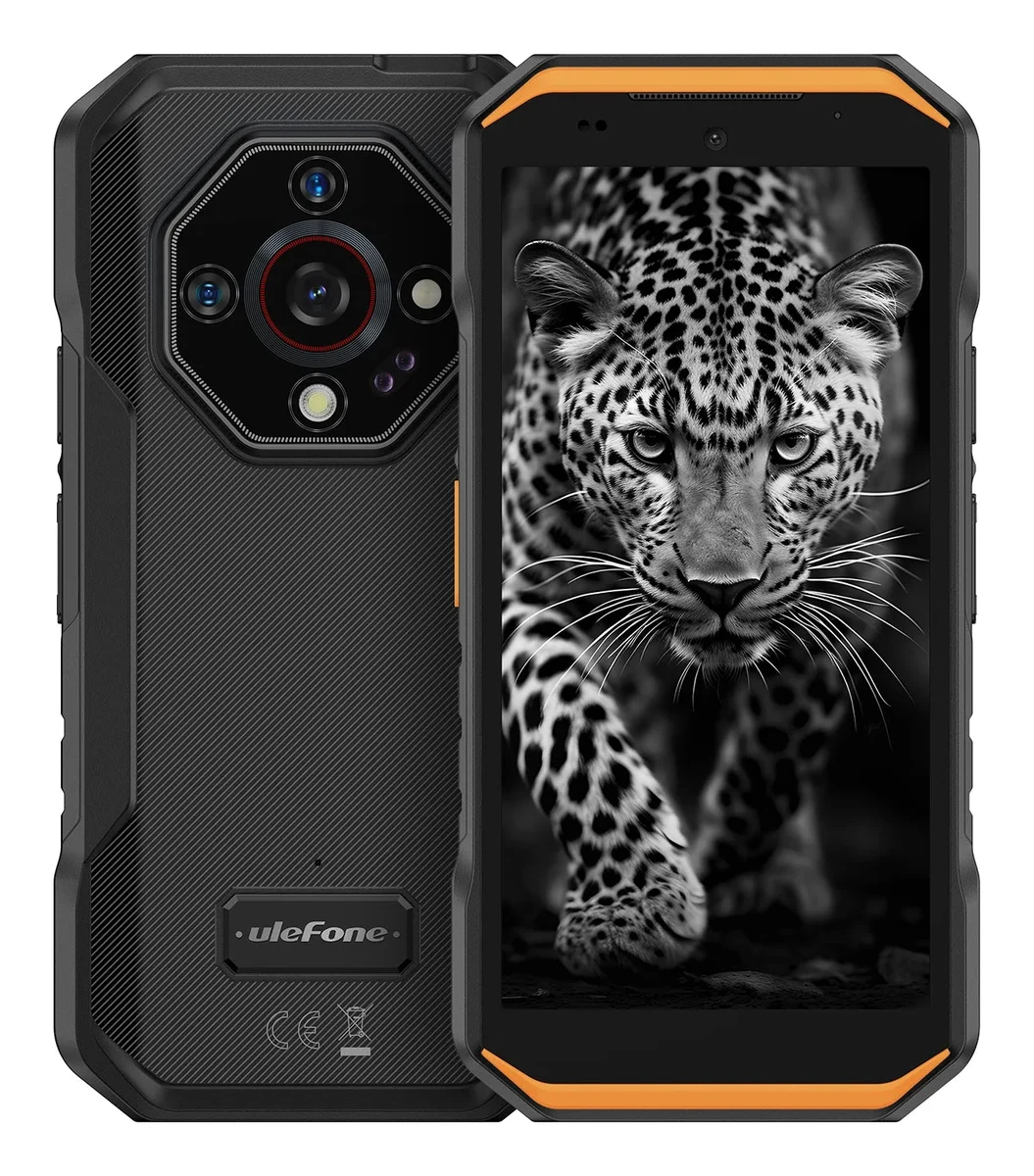
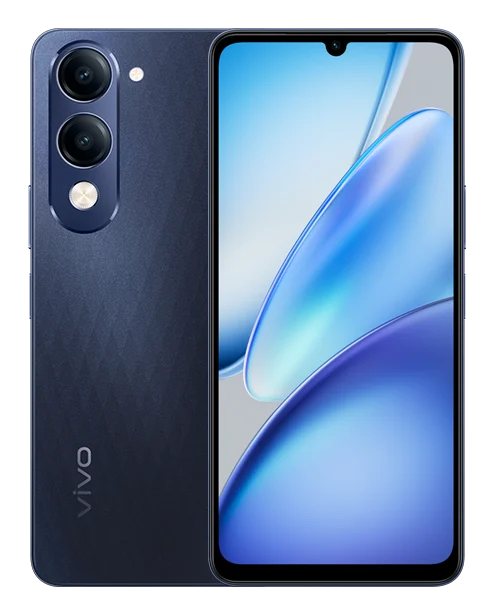
InnoReviews verdict
This one is close to a dead heat: Ulefone Armor X32 scores 33.4 against 33.3 for vivo T4 Lite 5G. Pick by the categories that matter to you — Ulefone Armor X32 edges ahead in performance, or by price.
Key differences
Reasons to pick the Ulefone Armor X32
- Stronger performance score: 31 vs 25
- 220% higher front camera: 16 MP vs 5 MP
- 20% higher wired charging: 18 W vs 15 W
- 10% higher pixel density: 285 ppi vs 260 ppi
- Has NFC — the other doesn't
Reasons to pick the vivo T4 Lite 5G
- 67% higher peak brightness: 1,000 nits vs 600 nits
- 44% lower thickness: 8.2 mm vs 14.5 mm
- 33% higher RAM (max): 8 GB vs 6 GB
- 28% lower weight: 202 g vs 280 g
- 19% higher screen size: 6.74 ″ vs 5.65 ″
Which would you pick?
Ulefone Armor X32 vs vivo T4 Lite 5G: full specs
Display
| Spec | Ulefone Armor X32 | vivo T4 Lite 5G |
|---|---|---|
| Screen size | 5.65 ″ | 6.74 ″+19% |
| Panel type | IPS LCD | IPS LCD |
| Resolution | 720x1440 | 720x1600 |
| Pixel density | 285 ppi+10% | 260 ppi |
| Refresh rate | 90 Hz | 90 Hz |
| Peak brightness | 600 nits | 1,000 nits+67% |
| Screen-to-body | — | 85.1 % |
Performance
| Spec | Ulefone Armor X32 | vivo T4 Lite 5G |
|---|---|---|
| Chipset | MediaTek Helio G91 | MediaTek Dimensity 6300 |
| RAM (max) | 6 GB | 8 GB+33% |
| Storage options | 128GB | 128GB / 256GB |
Camera
| Spec | Ulefone Armor X32 | vivo T4 Lite 5G |
|---|---|---|
| Main camera | 48 MP | 50 MP+4% |
| Main aperture | f/1.8 | f/1.8 |
| Max video | 1440p@30fps | 1080p |
| Front camera | 16 MP+220% | 5 MP |
| OIS | — | No |
Battery
| Spec | Ulefone Armor X32 | vivo T4 Lite 5G |
|---|---|---|
| Capacity | 5,500 mAh | 6,000 mAh+9% |
| Wired charging | 18 W+20% | 15 W |
Design
| Spec | Ulefone Armor X32 | vivo T4 Lite 5G |
|---|---|---|
| Weight | 280 g | 202 g+28% |
| Thickness | 14.5 mm | 8.2 mm+44% |
| IP rating | IP68/IP69K | IP64 |
Connectivity
| Spec | Ulefone Armor X32 | vivo T4 Lite 5G |
|---|---|---|
| 5G | No | Yes |
| Wi-Fi | Wi-Fi 5 | Wi-Fi 5 dual-band |
| Bluetooth | 5.2 | 5.4 |
| NFC | Yes | No |
| USB | USB-C 2.0 | USB-C 2.0 |
| eSIM | No | — |
Software
| Spec | Ulefone Armor X32 | vivo T4 Lite 5G |
|---|---|---|
| OS at launch | Android 14 | Android 15 (Funtouch OS 15) |
| OS update pledge | — | 2 years |
Audio
| Spec | Ulefone Armor X32 | vivo T4 Lite 5G |
|---|---|---|
| 3.5mm jack | Yes | Yes |
Quick answers
Which is better: Ulefone Armor X32 or vivo T4 Lite 5G?
This one is close to a dead heat: Ulefone Armor X32 scores 33.4 against 33.3 for vivo T4 Lite 5G. Pick by the categories that matter to you — Ulefone Armor X32 edges ahead in performance, or by price.
How do the scores compare?
Ulefone Armor X32 scores 33.4/100 overall; vivo T4 Lite 5G scores 33.3/100. Ulefone Armor X32 wins 4 individual spec rows, vivo T4 Lite 5G wins 8.
What are the main differences between the Ulefone Armor X32 and the vivo T4 Lite 5G?
Ulefone Armor X32 advantages: Stronger performance score: 31 vs 25; 220% higher front camera: 16 MP vs 5 MP; 20% higher wired charging: 18 W vs 15 W; 10% higher pixel density: 285 ppi vs 260 ppi; Has NFC — the other doesn't. vivo T4 Lite 5G advantages: 67% higher peak brightness: 1,000 nits vs 600 nits; 44% lower thickness: 8.2 mm vs 14.5 mm; 33% higher RAM (max): 8 GB vs 6 GB; 28% lower weight: 202 g vs 280 g; 19% higher screen size: 6.74 ″ vs 5.65 ″.
Use this on your site or forum
Copy a ready-made link. Scores on this page update as new results are published, so the link always leads to the current figures.