Apple A11 Bionic vs Samsung Exynos 1480
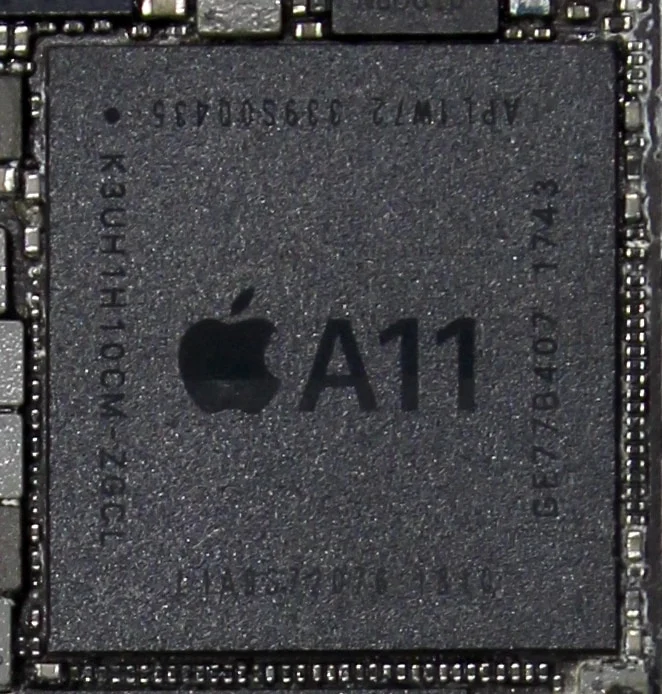
Apple A11 Bionic: released Sep 22, 2017
Samsung Exynos 1480: released Mar 28, 2024
The Samsung Exynos 1480 is 78 months newer.

InnoReviews verdict
Samsung Exynos 1480 wins this mobile chipset face-off, 42.2 to 28.3, pulling ahead mainly in CPU (+5) and GPU (+1).
Key differences
Reasons to pick the Apple A11 Bionic
No decisive spec advantages over the other side.
Reasons to pick the Samsung Exynos 1480
- 55% higher Geekbench 6 (multi): 3,481 vs 2,245
- 12% higher 3DMark Wild Life Extreme: 1,001 vs 891
- 60% lower process: 4 nm vs 10 nm
- 33% higher cores: 8 vs 6
- 15% higher max clock: 2.75 GHz vs 2.39 GHz
Up next
Apple A11 Bionic vs Samsung Exynos 1480: benchmarks
Published results for both, side by side
Geekbench 6 (single)
- Samsung Exynos 14801,149
- Apple A11 Bionic1,100
Published results: review runs where we found them, otherwise typical published figures. A chip's figure is normally the median of review runs on devices with that chip.
Geekbench 6 (multi)
Published results: review runs where we found them, otherwise typical published figures. A chip's figure is normally the median of review runs on devices with that chip.
3DMark Wild Life Extreme
- Samsung Exynos 14801,001
- Apple A11 Bionic891
Published 3DMark results (Wild Life Extreme for chips, the Time Spy Graphics score for graphics cards): review runs where we found them, otherwise typical published figures.
Not drawn side by side, because only one device has a published result or the two come from different versions:
- AnTuTu 11: Samsung Exynos 1480 996,960
Which would you pick?
Apple A11 Bionic vs Samsung Exynos 1480: full specs
General
| Spec | Apple A11 Bionic | Samsung Exynos 1480 |
|---|---|---|
| Announced | 2017 | 2024 |
| Process | 10 nm | 4 nm+60% |
| Architecture | Armv8.2 | Armv8.2 |
CPU
| Spec | Apple A11 Bionic | Samsung Exynos 1480 |
|---|---|---|
| Cores | 6 | 8+33% |
| Core configuration | 2x2.39 GHz Monsoon + 4x Mistral | 4x2.75 GHz Cortex-A78 + 4x2.05 GHz Cortex-A55 |
| Max clock | 2.39 GHz | 2.75 GHz+15% |
GPU
| Spec | Apple A11 Bionic | Samsung Exynos 1480 |
|---|---|---|
| GPU | Apple GPU (3-core) | Samsung Xclipse 530 |
AI
| Spec | Apple A11 Bionic | Samsung Exynos 1480 |
|---|---|---|
| NPU | Neural Engine (2-core) | Samsung NPU |
| AI performance | 0.6 TOPS | — |
Memory
| Spec | Apple A11 Bionic | Samsung Exynos 1480 |
|---|---|---|
| Memory type | LPDDR4X | LPDDR5X |
Connectivity
| Spec | Apple A11 Bionic | Samsung Exynos 1480 |
|---|---|---|
| Modem | Qualcomm MDM9655 or Intel XMM 7480 LTE (external) | Integrated Exynos 5G modem |
| Wi-Fi | Wi-Fi 5 | Wi-Fi 6E |
| Bluetooth | 5.0 | 5.3 |
Media
| Spec | Apple A11 Bionic | Samsung Exynos 1480 |
|---|---|---|
| Max display | 2436x1125 | FHD+ @ 144Hz |
| Video capture | 4K@60fps | 4K@30fps |
Benchmarks
| Spec | Apple A11 Bionic | Samsung Exynos 1480 |
|---|---|---|
| AnTuTu | — | 996,960Bottom 48% |
| AnTuTu 11 (CPU) | — | 353,255Bottom 42% |
| AnTuTu 11 (GPU) | — | 223,492Top 44% |
| AnTuTu 11 (Memory) | — | 162,318Bottom 33% |
| AnTuTu 11 (UX) | — | 257,895Bottom 38% |
| Geekbench 6 (single) | 1,100Top 48% | 1,149+4%Top 46% |
| Geekbench 6 (multi) | 2,245Bottom 35% | 3,481+55%Top 42% |
| 3DMark Wild Life Extreme | 891Top 48% | 1,001+12%Top 46% |
Quick answers
Which is better: Apple A11 Bionic or Samsung Exynos 1480?
Samsung Exynos 1480 wins this mobile chipset face-off, 42.2 to 28.3, pulling ahead mainly in CPU (+5) and GPU (+1).
How do the scores compare?
Apple A11 Bionic scores 28.3/100 overall; Samsung Exynos 1480 scores 42.2/100. Apple A11 Bionic wins 0 individual spec rows, Samsung Exynos 1480 wins 7.
What are the main differences between the Apple A11 Bionic and the Samsung Exynos 1480?
Samsung Exynos 1480 advantages: 55% higher Geekbench 6 (multi): 3,481 vs 2,245; 12% higher 3DMark Wild Life Extreme: 1,001 vs 891; 60% lower process: 4 nm vs 10 nm; 33% higher cores: 8 vs 6; 15% higher max clock: 2.75 GHz vs 2.39 GHz.
Use this on your site or forum
Copy a ready-made link. Scores on this page update as new results are published, so the link always leads to the current figures.