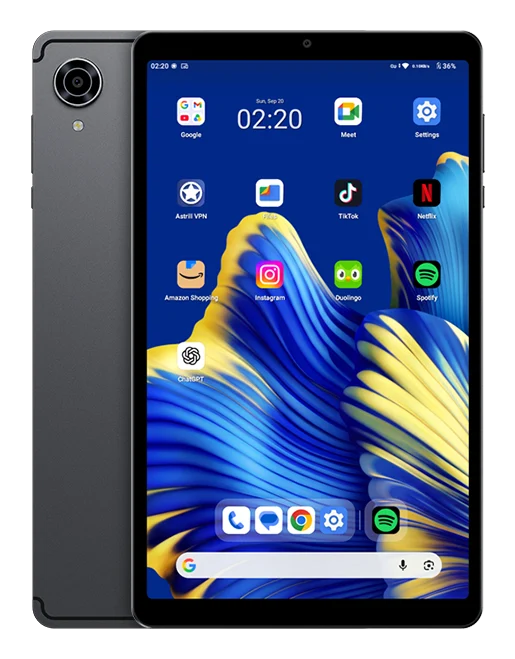
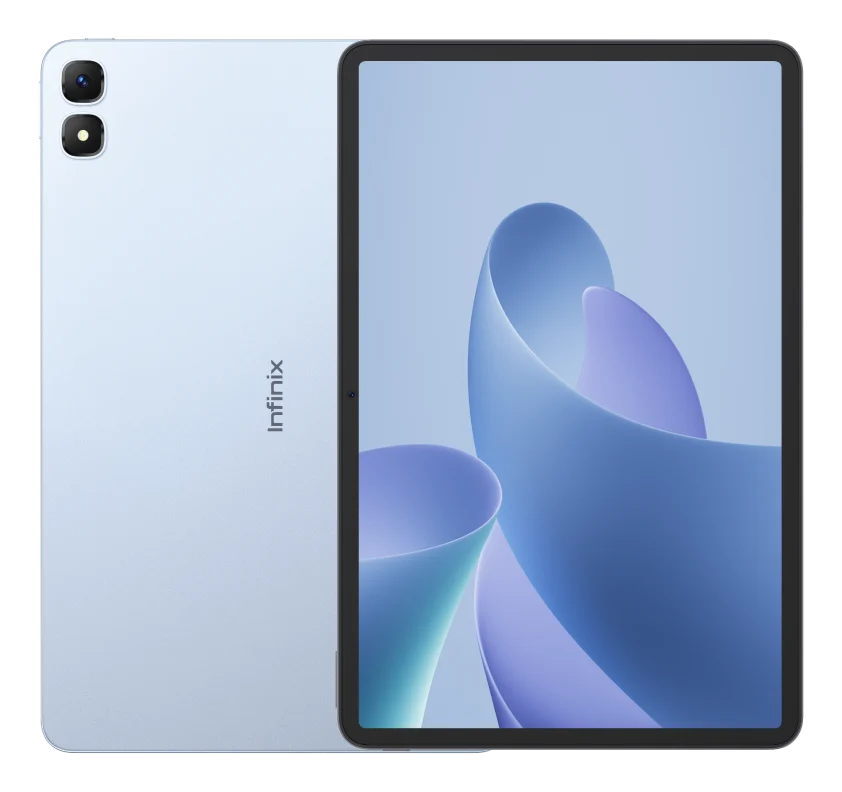
Alldocube iPlay 80 mini vs Infinix XPAD 30
Alldocube iPlay 80 mini: Unisoc T610, released Nov 4, 2026
Infinix XPAD 30: MediaTek Helio G88, released Nov 11, 2026
InnoReviews verdict
Alldocube iPlay 80 mini wins this tablet face-off, 29.5 to 27.7, pulling ahead mainly in performance (+1). Infinix XPAD 30 is the better pick for peak brightness and capacity.
Key differences
Reasons to pick the Alldocube iPlay 80 mini
No decisive spec advantages over the other side.
Reasons to pick the Infinix XPAD 30
- 29% higher peak brightness: 450 nits vs 350 nits
- 23% higher capacity: 7,200 mAh vs 5,850 mAh
- 27% higher screen size: 11 ″ vs 8.7 ″
- 14% higher pixel density: 206 ppi vs 180 ppi
- Front camera: 8 MP vs 2 MP
Up next
Alldocube iPlay 80 mini vs Infinix XPAD 30: benchmarks
Where we have no result for the Infinix XPAD 30 or the Alldocube iPlay 80 mini themselves, their bars show their chips' published results, tagged as the chips'
Geekbench 6 (single)
- Infinix XPAD 30 chip result · via MediaTek Helio G88435
- Alldocube iPlay 80 mini chip result · via Unisoc T610417
Published results: review runs where we found them, otherwise typical published figures. A chip's figure is normally the median of review runs on devices with that chip.
Geekbench 6 (multi)
- Alldocube iPlay 80 mini chip result · via Unisoc T6101,361
- Infinix XPAD 30 chip result · via MediaTek Helio G881,263
Published results: review runs where we found them, otherwise typical published figures. A chip's figure is normally the median of review runs on devices with that chip.
Not drawn side by side, because only one device has a published result or the two come from different versions:
- AnTuTu 12: Alldocube iPlay 80 mini 414,959 · review
Totals tagged “review” were published in a review of the device (for a chip, of a device with it), not read from AnTuTu's ranking.
Which would you pick?
Alldocube iPlay 80 mini vs Infinix XPAD 30: full specs
Display
| Spec | Alldocube iPlay 80 mini | Infinix XPAD 30 |
|---|---|---|
| Screen size | 8.7 ″ | 11 ″+27% |
| Panel type | IPS LCD | LCD |
| Resolution | 1340x800 | 1920 x 1200 |
| Pixel density | 180 ppi | 206 ppi+14% |
| Refresh rate | 90 Hz | 90 Hz |
| Peak brightness | 350 nits | 450 nits+29% |
Performance
| Spec | Alldocube iPlay 80 mini | Infinix XPAD 30 |
|---|---|---|
| Chipset | Unisoc T610 | MediaTek Helio G88 |
| AnTuTu 12 | 414,959Bottom 2% | — |
| RAM | 4 GB | 4 GB |
| Storage options | 64GB | 128GB |
Battery
| Spec | Alldocube iPlay 80 mini | Infinix XPAD 30 |
|---|---|---|
| Capacity | 5,850 mAh | 7,200 mAh+23% |
| Charging | 18 W | 18 W |
Design
| Spec | Alldocube iPlay 80 mini | Infinix XPAD 30 |
|---|---|---|
| Weight | 350 g | — |
| Thickness | 7.8 mm | — |
Camera
| Spec | Alldocube iPlay 80 mini | Infinix XPAD 30 |
|---|---|---|
| Rear camera | 5 MP | 8 MP+60% |
| Front camera | 2 MP | 8 MP+300% |
Connectivity
| Spec | Alldocube iPlay 80 mini | Infinix XPAD 30 |
|---|---|---|
| Wi-Fi | Wi-Fi 5 | — |
| Bluetooth | 5.0 | — |
| Cellular | 4G LTE (dual SIM) | 4G LTE |
| USB | USB-C | — |
Features
| Spec | Alldocube iPlay 80 mini | Infinix XPAD 30 |
|---|---|---|
| Speakers | Dual speakers | — |
| Operating system | Android 16 | Android 16, XOS 16 |
EU energy label (manufacturer-declared)
| Spec | Alldocube iPlay 80 mini | Infinix XPAD 30 |
|---|---|---|
| Energy class | D | — |
| Battery endurance per cycle | 108 h | — |
| Battery cycles to 80% capacity | 1,000 | — |
| Repairability class | B | — |
| Drop resistance class | D | — |
| EPREL registration | 2846880 | — |
Quick answers
Which is better: Alldocube iPlay 80 mini or Infinix XPAD 30?
Alldocube iPlay 80 mini wins this tablet face-off, 29.5 to 27.7, pulling ahead mainly in performance (+1). Infinix XPAD 30 is the better pick for peak brightness and capacity.
How do the scores compare?
Alldocube iPlay 80 mini scores 29.5/100 overall; Infinix XPAD 30 scores 27.7/100. Alldocube iPlay 80 mini wins 0 individual spec rows, Infinix XPAD 30 wins 6.
What are the main differences between the Alldocube iPlay 80 mini and the Infinix XPAD 30?
Infinix XPAD 30 advantages: 29% higher peak brightness: 450 nits vs 350 nits; 23% higher capacity: 7,200 mAh vs 5,850 mAh; 27% higher screen size: 11 ″ vs 8.7 ″; 14% higher pixel density: 206 ppi vs 180 ppi; Front camera: 8 MP vs 2 MP.
Use this on your site or forum
Copy a ready-made link. Scores on this page update as new results are published, so the link always leads to the current figures.