ASUS Pad (T3201) vs POCO Pad X1
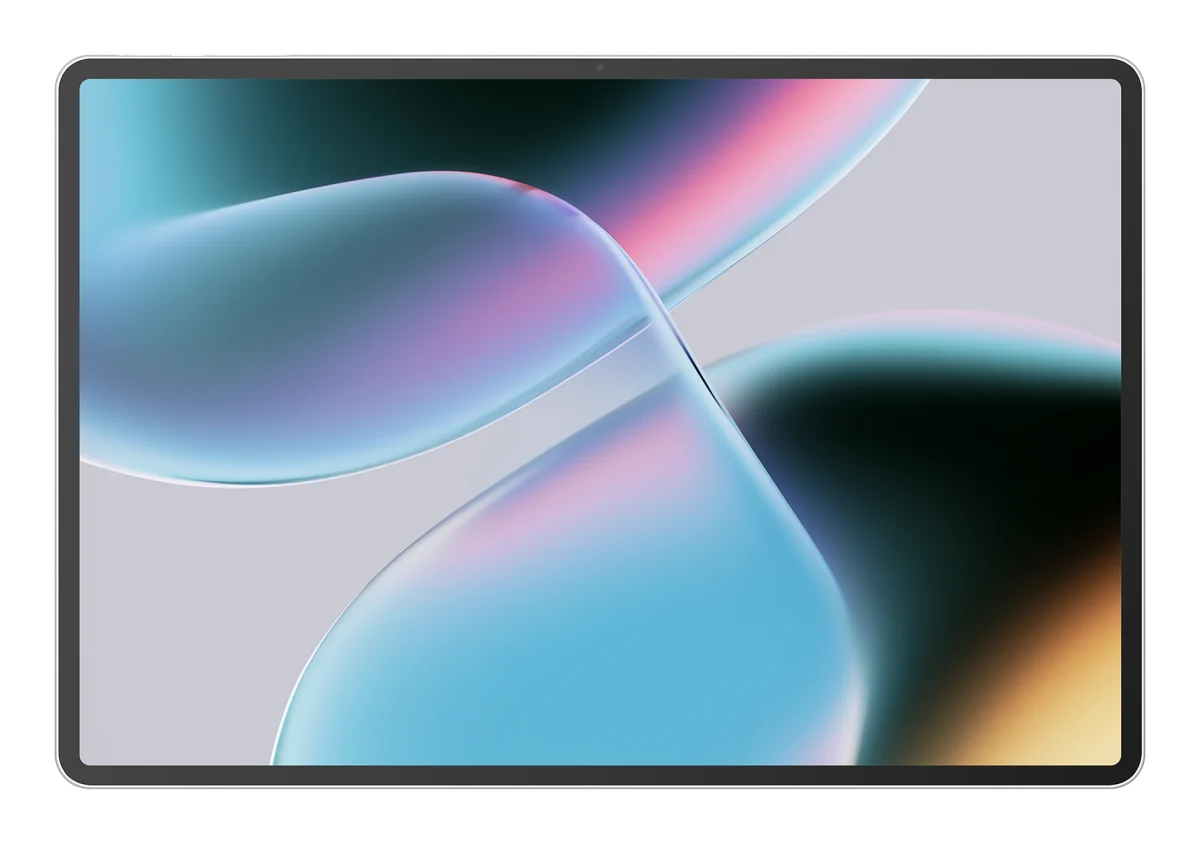
ASUS Pad (T3201): MediaTek Dimensity 8300, released Aug 6, 2026
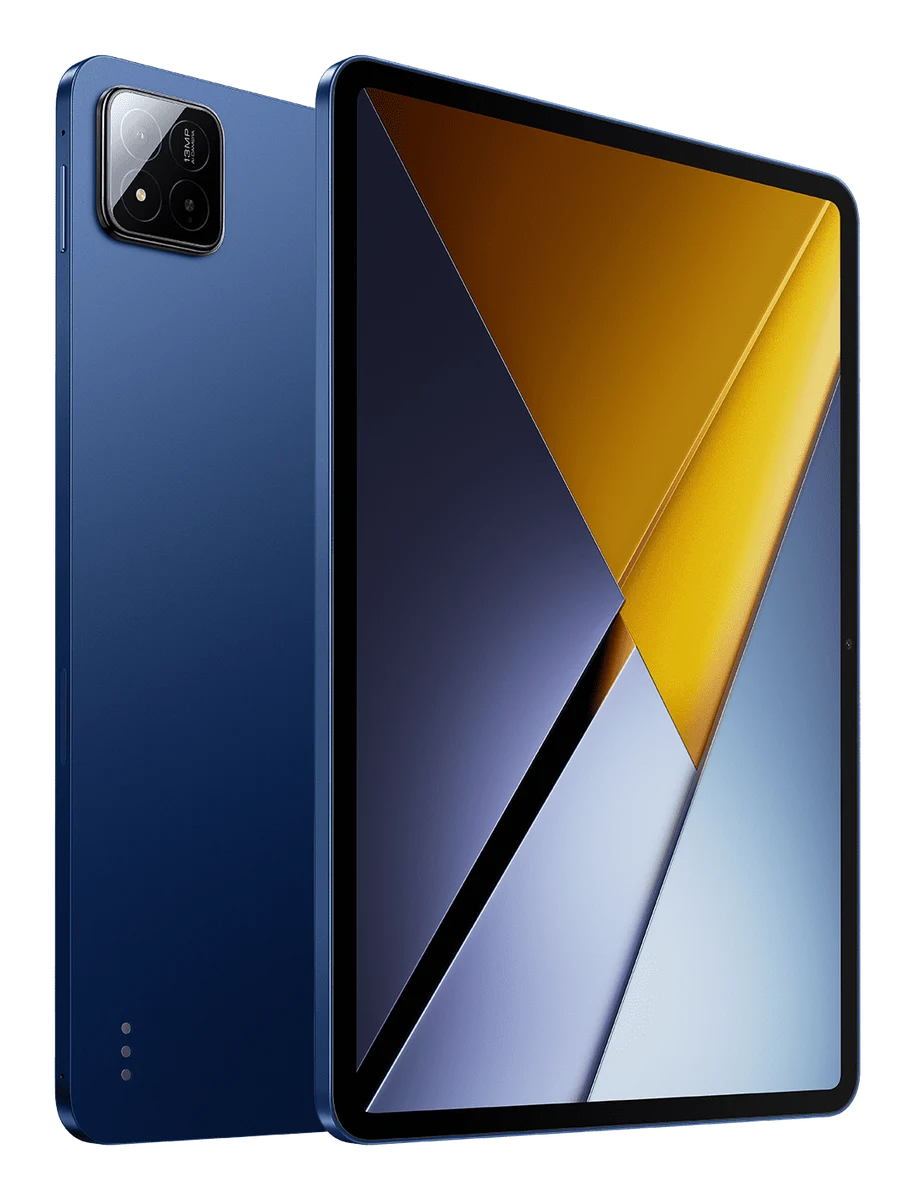
POCO Pad X1: Qualcomm Snapdragon 7+ Gen 3, released Nov 26, 2025, $399
The ASUS Pad (T3201) is 8 months newer.
Chip vs chip: MediaTek Dimensity 8300 vs Qualcomm Snapdragon 7+ Gen 3 →
InnoReviews verdict
This one is close to a dead heat: ASUS Pad (T3201) scores 65.8 against 64.5 for POCO Pad X1. Pick by the categories that matter to you, or by price.
Key differences
Reasons to pick the ASUS Pad (T3201)
- 150% higher peak brightness: 2,000 nits vs 800 nits
Reasons to pick the POCO Pad X1
- 15% higher Geekbench 6 (multi): 4,673 vs 4,077
- 60% higher front camera: 8 MP vs 5 MP
- 55% higher Geekbench 6 (single): 1,843 vs 1,186
- 25% higher pixel density: 345 ppi vs 275 ppi
Which would you pick?
ASUS Pad (T3201) vs POCO Pad X1: full specs
Display
| Spec | ASUS Pad (T3201) | POCO Pad X1 |
|---|---|---|
| Screen size | 12.2 ″+9% | 11.2 ″ |
| Panel type | Dual-layer OLED | IPS LCD |
| Resolution | 2800x1840 | 3200x2136 |
| Pixel density | 275 ppi | 345 ppi+25% |
| Refresh rate | 144 Hz | 144 Hz |
| Peak brightness | 2,000 nits+150% | 800 nits |
Performance
| Spec | ASUS Pad (T3201) | POCO Pad X1 |
|---|---|---|
| Chipset | MediaTek Dimensity 8300 | Qualcomm Snapdragon 7+ Gen 3 |
| AnTuTuDifferent AnTuTu versions — not compared | 1,585,057 | 1,716,278Top 45% |
| AnTuTu 11 (CPU) | — | 542,627Top 45% |
| AnTuTu 11 (GPU) | — | 423,287Top 50% |
| AnTuTu 11 (Memory) | — | 328,094Top 30% |
| AnTuTu 11 (UX) | — | 422,270Top 50% |
| AnTuTu 12 | — | 1,840,529Bottom 48% |
| Geekbench 6 (single) | 1,186Bottom 38% | 1,843+55%Top 44% |
| Geekbench 6 (multi) | 4,077Bottom 46% | 4,673+15%Top 49% |
| RAM | 8 GB | 8 GB |
| Storage options | 128GB / 256GB | 256GB / 512GB |
Battery
| Spec | ASUS Pad (T3201) | POCO Pad X1 |
|---|---|---|
| Capacity | 9,000 mAh+2% | 8,850 mAh |
| Charging | 45 W | 45 W |
Design
| Spec | ASUS Pad (T3201) | POCO Pad X1 |
|---|---|---|
| Weight | 523 g | 500 g+4% |
| Thickness | 6.5 mm | 6.2 mm+5% |
| Material | Aluminum-magnesium alloy unibody | Aluminum unibody |
Camera
| Spec | ASUS Pad (T3201) | POCO Pad X1 |
|---|---|---|
| Rear camera | 13 MP | 13 MP |
| Front camera | 5 MP | 8 MP+60% |
Connectivity
| Spec | ASUS Pad (T3201) | POCO Pad X1 |
|---|---|---|
| Wi-Fi | Wi-Fi 6E | Wi-Fi 6E |
| Bluetooth | 5.3 | 5.4 |
| Cellular | Wi-Fi only | Wi-Fi only |
| USB | USB-C 3.0 (DP 1.4, PD 3.0) | USB-C 3.2 Gen 1 |
Features
| Spec | ASUS Pad (T3201) | POCO Pad X1 |
|---|---|---|
| Stylus | ASUS Pen 2.0 | POCO Focus Pen (sold separately) |
| Keyboard support | Yes | Yes |
| Speakers | Quad speakers (Dolby Atmos) | Quad (Dolby Atmos) |
| Operating system | Android 16 | Android 15 (HyperOS 2) |
Quick answers
Which is better: ASUS Pad (T3201) or POCO Pad X1?
This one is close to a dead heat: ASUS Pad (T3201) scores 65.8 against 64.5 for POCO Pad X1. Pick by the categories that matter to you, or by price.
How do the scores compare?
ASUS Pad (T3201) scores 65.8/100 overall; POCO Pad X1 scores 64.5/100. ASUS Pad (T3201) wins 3 individual spec rows, POCO Pad X1 wins 6.
What are the main differences between the ASUS Pad (T3201) and the POCO Pad X1?
ASUS Pad (T3201) advantages: 150% higher peak brightness: 2,000 nits vs 800 nits. POCO Pad X1 advantages: 15% higher Geekbench 6 (multi): 4,673 vs 4,077; 60% higher front camera: 8 MP vs 5 MP; 55% higher Geekbench 6 (single): 1,843 vs 1,186; 25% higher pixel density: 345 ppi vs 275 ppi.
Use this on your site or forum
Copy a ready-made link. Scores on this page update as new results are published, so the link always leads to the current figures.