DOOGEE T20 Ultra vs Oukitel RT6
DOOGEE T20 Ultra: MediaTek Helio G99, released Nov 1, 2023
Oukitel RT6: MediaTek MT8788, released Aug 22, 2023
The DOOGEE T20 Ultra is 2 months newer.
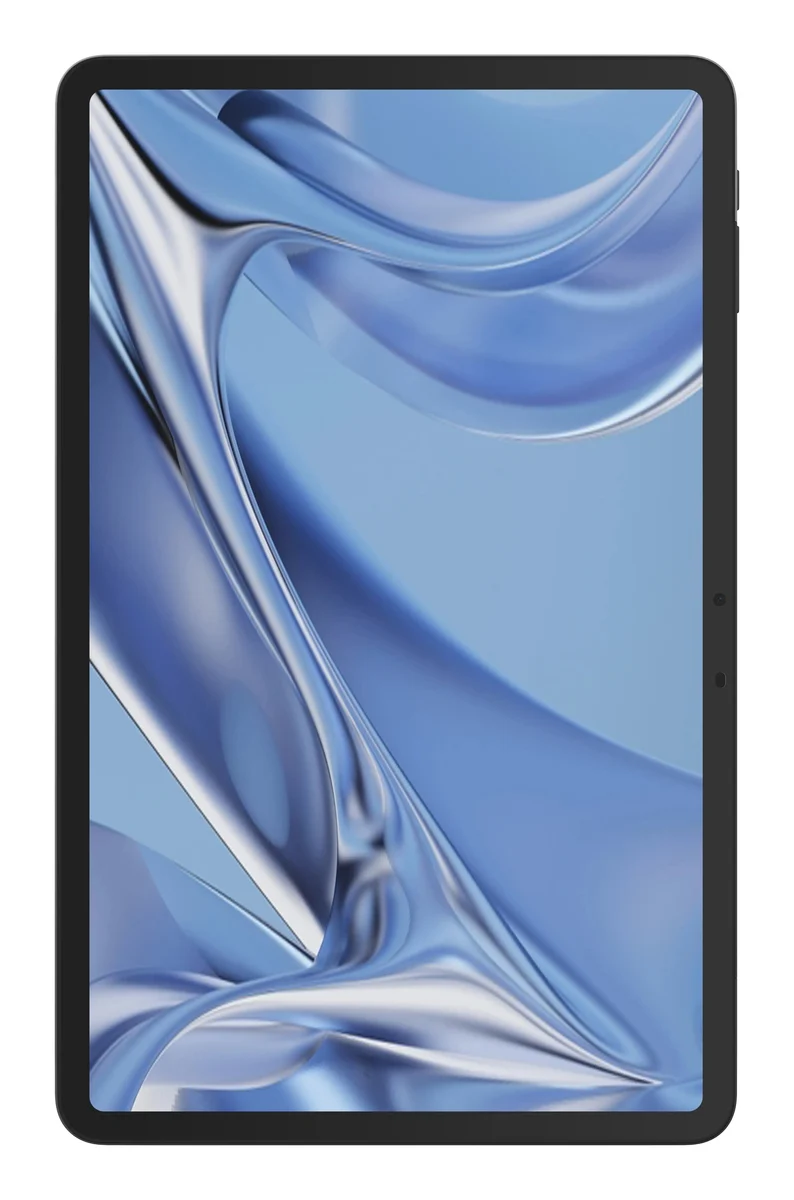
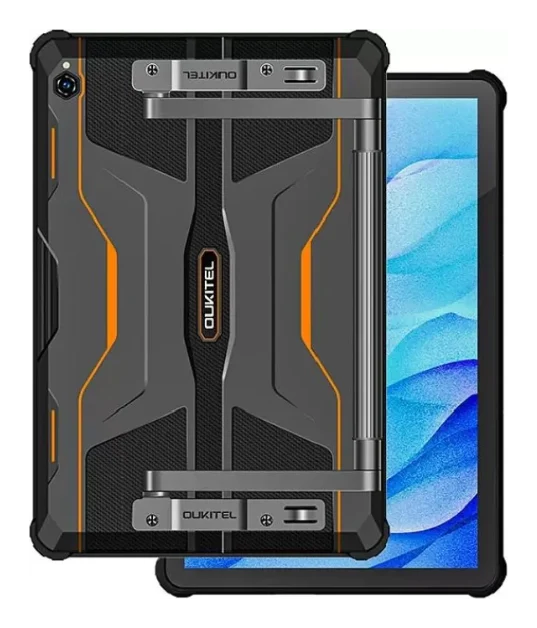
InnoReviews verdictToo close to call
This one is close to a dead heat: DOOGEE T20 Ultra scores 41.2 against 40.4 for Oukitel RT6. Pick by the categories that matter to you — DOOGEE T20 Ultra edges ahead in performance, or by price.
Key differences
Reasons to pick the DOOGEE T20 Ultra
- Stronger performance score: 41 vs 27
- 9.7 mm thinner: 7.6 mm vs 17.3 mm
- 462 g lighter: 568 g vs 1,030 g
- 19% higher screen size: 12 ″ vs 10.1 ″
- 50% higher RAM: 12 GB vs 8 GB
Reasons to pick the Oukitel RT6
- 85% higher capacity: 20,000 mAh vs 10,800 mAh
- 83% higher charging: 33 W vs 18 W
- 15% higher pixel density: 224 ppi vs 194 ppi
- Front camera: 16 MP vs 8 MP
Up next
DOOGEE T20 Ultra vs Oukitel RT6: benchmarks
Where we have no result for the DOOGEE T20 Ultra or the Oukitel RT6 themselves, their bars show their chips' published results, tagged as the chips'
Geekbench 6 (single)
- DOOGEE T20 Ultra chip result · via MediaTek Helio G99728
- Oukitel RT6 chip result · via MediaTek MT8788329
Published results: review runs where we found them, otherwise typical published figures. A chip's figure is normally the median of review runs on devices with that chip.
Geekbench 6 (multi)
- DOOGEE T20 Ultra chip result · via MediaTek Helio G991,966
- Oukitel RT6 chip result · via MediaTek MT87881,284
Published results: review runs where we found them, otherwise typical published figures. A chip's figure is normally the median of review runs on devices with that chip.
Not drawn side by side, because only one device has a published result or the two come from different versions:
- AnTuTu 11: DOOGEE T20 Ultra 555,354 chip result · via MediaTek Helio G99
Which would you pick?
DOOGEE T20 Ultra vs Oukitel RT6: full specs
Display
| Spec | DOOGEE T20 Ultra | Oukitel RT6 |
|---|---|---|
| Screen size | 12 ″+19% | 10.1 ″ |
| Panel type | IPS LCD | IPS LCD |
| Resolution | 1200x2000 | 1200x1920 |
| Pixel density | 194 ppi | 224 ppi+15% |
| Peak brightness | 350 nits | 350 nits |
Performance
| Spec | DOOGEE T20 Ultra | Oukitel RT6 |
|---|---|---|
| Chipset | MediaTek Helio G99 | MediaTek MT8788 |
| RAM | 12 GB+50% | 8 GB |
| Storage options | 256GB | 256GB |
Battery
| Spec | DOOGEE T20 Ultra | Oukitel RT6 |
|---|---|---|
| Capacity | 10,800 mAh | 20,000 mAh+85% |
| Charging | 18 W | 33 W+83% |
Design
| Spec | DOOGEE T20 Ultra | Oukitel RT6 |
|---|---|---|
| Weight | 568 g+45% | 1,030 g |
| Thickness | 7.6 mm+56% | 17.3 mm |
| Material | Metal | — |
Camera
| Spec | DOOGEE T20 Ultra | Oukitel RT6 |
|---|---|---|
| Rear camera | 16 MP | 16 MP |
| Front camera | 8 MP | 16 MP+100% |
Connectivity
| Spec | DOOGEE T20 Ultra | Oukitel RT6 |
|---|---|---|
| Wi-Fi | Wi-Fi 5 | 802.11ac (dual-band) |
| Bluetooth | 5.0 | 4.2 |
| Cellular | 4G LTE | 4G LTE (dual nano-SIM) |
| USB | USB-C | USB-C 2.0 |
Features
| Spec | DOOGEE T20 Ultra | Oukitel RT6 |
|---|---|---|
| Speakers | 4 speakers | Stereo |
| Operating system | Android 13 | Android 13 |
Quick answers
Which is better: DOOGEE T20 Ultra or Oukitel RT6?
This one is close to a dead heat: DOOGEE T20 Ultra scores 41.2 against 40.4 for Oukitel RT6. Pick by the categories that matter to you — DOOGEE T20 Ultra edges ahead in performance, or by price.
How do the scores compare?
DOOGEE T20 Ultra scores 41.2/100 overall; Oukitel RT6 scores 40.4/100. DOOGEE T20 Ultra wins 4 individual spec rows, Oukitel RT6 wins 4.
What are the main differences between the DOOGEE T20 Ultra and the Oukitel RT6?
DOOGEE T20 Ultra advantages: Stronger performance score: 41 vs 27; 9.7 mm thinner: 7.6 mm vs 17.3 mm; 462 g lighter: 568 g vs 1,030 g; 19% higher screen size: 12 ″ vs 10.1 ″; 50% higher RAM: 12 GB vs 8 GB. Oukitel RT6 advantages: 85% higher capacity: 20,000 mAh vs 10,800 mAh; 83% higher charging: 33 W vs 18 W; 15% higher pixel density: 224 ppi vs 194 ppi; Front camera: 16 MP vs 8 MP.
Use this on your site or forum
Copy a ready-made link. Scores on this page update as new results are published, so the link always leads to the current figures.