Huawei MatePad 12 X vs Xiaomi Pad 9
Huawei MatePad 12 X: Huawei Kirin T90A, released Oct 11, 2024
Xiaomi Pad 9: Qualcomm Snapdragon 8s Gen 4, released Sep 23, 2026
The Xiaomi Pad 9 is 23 months newer.
Chip vs chip: Huawei Kirin T90A vs Qualcomm Snapdragon 8s Gen 4 →
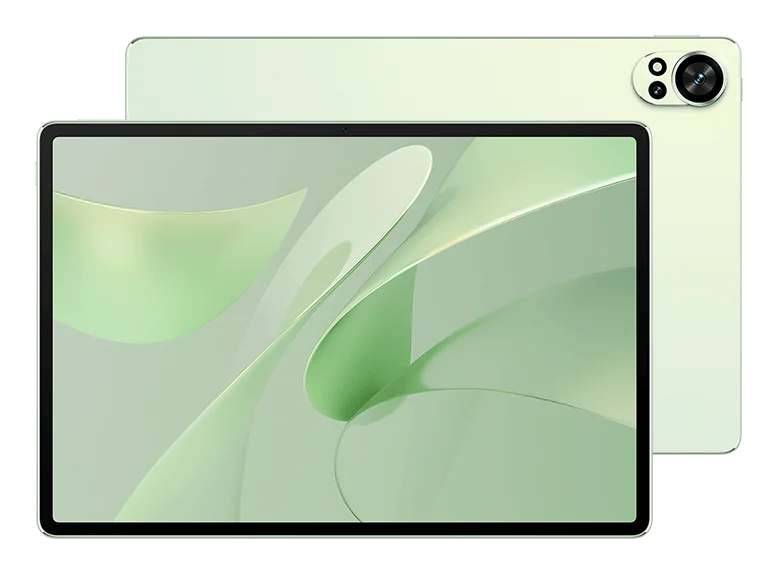
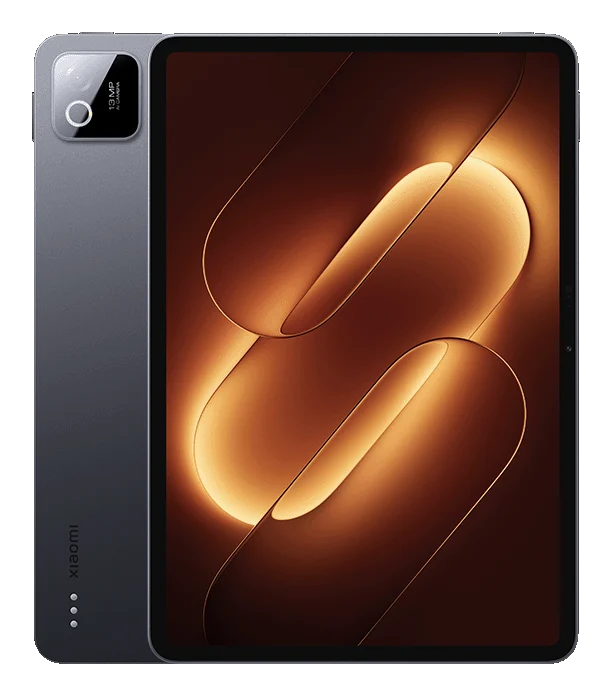
InnoReviews verdict
Huawei MatePad 12 X wins this tablet face-off, 66.6 to 64.7. Xiaomi Pad 9 is the better pick for performance and lower weight.
Key differences
Reasons to pick the Huawei MatePad 12 X
- 47% higher charging: 66 W vs 45 W
- 25% higher peak brightness: 1,000 nits vs 800 nits
- 50% higher RAM: 12 GB vs 8 GB
Reasons to pick the Xiaomi Pad 9
- Stronger performance score: 68 vs 57
- 70 g lighter: 485 g vs 555 g
- 23% higher pixel density: 344 ppi vs 280 ppi
Huawei MatePad 12 X vs Xiaomi Pad 9: benchmarks
We have no benchmark result for the Xiaomi Pad 9 itself yet, so its bars show its chip's published results, tagged as the chip's
Geekbench 6 (single)
- Xiaomi Pad 9 chip result · via Qualcomm Snapdragon 8s Gen 42,135
- Huawei MatePad 12 X1,229
Published results: review runs where we found them, otherwise typical published figures. A chip's figure is normally the median of review runs on devices with that chip.
Geekbench 6 (multi)
- Xiaomi Pad 9 chip result · via Qualcomm Snapdragon 8s Gen 46,832
- Huawei MatePad 12 X3,987
Published results: review runs where we found them, otherwise typical published figures. A chip's figure is normally the median of review runs on devices with that chip.
Not drawn side by side, because only one device has a published result or the two come from different versions:
- AnTuTu 11: Xiaomi Pad 9 2,324,829 chip result · via Qualcomm Snapdragon 8s Gen 4
Which would you pick?
Huawei MatePad 12 X vs Xiaomi Pad 9: full specs
Display
| Spec | Huawei MatePad 12 X | Xiaomi Pad 9 |
|---|---|---|
| Screen size | 12 ″+7% | 11.2 ″ |
| Panel type | IPS LCD | IPS LCD |
| Resolution | 2800x1840 | 3200x2136 |
| Pixel density | 280 ppi | 344 ppi+23% |
| Refresh rate | 144 Hz | 144 Hz |
| Peak brightness | 1,000 nits+25% | 800 nits |
Performance
| Spec | Huawei MatePad 12 X | Xiaomi Pad 9 |
|---|---|---|
| Chipset | HiSilicon Kirin T90A | Qualcomm Snapdragon 8s Gen 4 |
| Geekbench 6 (single) | 1,229Bottom 39% | — |
| Geekbench 6 (multi) | 3,987Bottom 44% | — |
| RAM | 12 GB+50% | 8 GB |
| Storage options | 256GB | 128GB / 256GB |
Battery
| Spec | Huawei MatePad 12 X | Xiaomi Pad 9 |
|---|---|---|
| Capacity | 10,100 mAh+4% | 9,720 mAh |
| Charging | 66 W+47% | 45 W |
Design
| Spec | Huawei MatePad 12 X | Xiaomi Pad 9 |
|---|---|---|
| Weight | 555 g | 485 g+13% |
| Thickness | 5.9 mm | 5.8 mm+2% |
| Material | — | Glass front, aluminum frame, aluminum back |
Camera
| Spec | Huawei MatePad 12 X | Xiaomi Pad 9 |
|---|---|---|
| Rear camera | 13 MP | 13 MP |
| Front camera | 8 MP | 8 MP |
Connectivity
| Spec | Huawei MatePad 12 X | Xiaomi Pad 9 |
|---|---|---|
| Wi-Fi | Wi-Fi 6 | Wi-Fi 7 |
| Bluetooth | 5.2 | 6.0 |
| Cellular | Wi-Fi only | Wi-Fi only |
| USB | USB-C 3.1 Gen 1 | USB-C 3.2 |
Features
| Spec | Huawei MatePad 12 X | Xiaomi Pad 9 |
|---|---|---|
| Stylus | Huawei M-Pencil (3rd generation) | — |
| Keyboard support | Yes | — |
| Speakers | 6 speakers | 4-speaker system with Dolby Atmos |
| Operating system | HarmonyOS 4.2 | Xiaomi HyperOS 4 |
Quick answers
Which is better: Huawei MatePad 12 X or Xiaomi Pad 9?
Huawei MatePad 12 X wins this tablet face-off, 66.6 to 64.7. Xiaomi Pad 9 is the better pick for performance and lower weight.
How do the scores compare?
Huawei MatePad 12 X scores 66.6/100 overall; Xiaomi Pad 9 scores 64.7/100. Huawei MatePad 12 X wins 5 individual spec rows, Xiaomi Pad 9 wins 3.
What are the main differences between the Huawei MatePad 12 X and the Xiaomi Pad 9?
Huawei MatePad 12 X advantages: 47% higher charging: 66 W vs 45 W; 25% higher peak brightness: 1,000 nits vs 800 nits; 50% higher RAM: 12 GB vs 8 GB. Xiaomi Pad 9 advantages: Stronger performance score: 68 vs 57; 70 g lighter: 485 g vs 555 g; 23% higher pixel density: 344 ppi vs 280 ppi.
Use this on your site or forum
Copy a ready-made link. Scores on this page update as new results are published, so the link always leads to the current figures.