Huawei MatePad Edge vs Lenovo Legion Y900 13
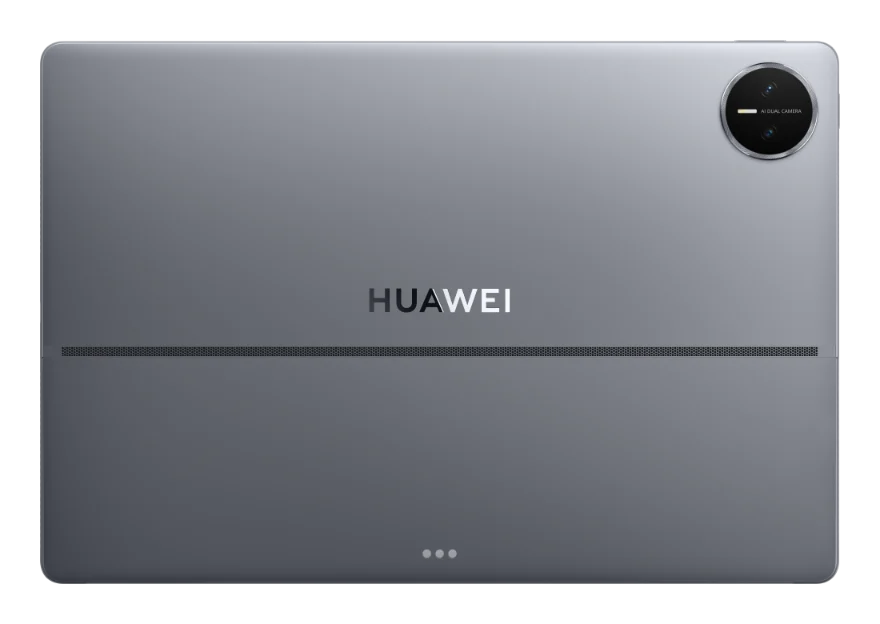
Huawei MatePad Edge: Huawei Kirin X90A, released Nov 25, 2025
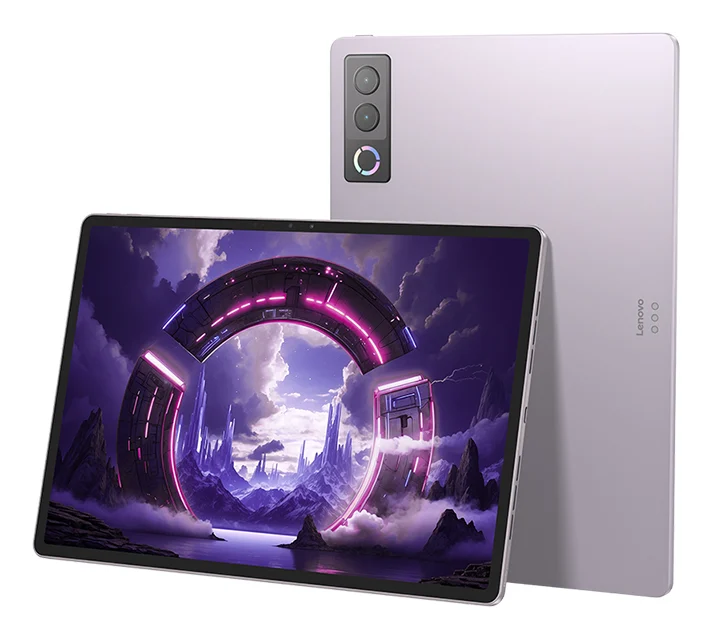
Lenovo Legion Y900 13: Qualcomm Snapdragon 8 Elite, released May 19, 2026
The Lenovo Legion Y900 13 is 6 months newer.
Chip vs chip: Huawei Kirin X90A vs Qualcomm Snapdragon 8 Elite →
InnoReviews verdict
No overall winner yet: Huawei MatePad Edge lacks the published benchmark results an Inno Score requires, so there is no Inno Score to compare — we don't rank a device on its spec sheet alone. The spec table below still shows every difference we track.
Key differences
Reasons to pick the Huawei MatePad Edge
- 300% higher front camera: 32 MP vs 8 MP
- 285% higher rear camera: 50 MP vs 13 MP
- 106% higher charging: 140 W vs 68 W
Reasons to pick the Lenovo Legion Y900 13
- 34% higher pixel density: 355 ppi vs 264 ppi
- 24% lower weight: 599 g vs 789 g
- 20% higher refresh rate: 144 Hz vs 120 Hz
- 13% lower thickness: 6 mm vs 6.9 mm
- 10% higher peak brightness: 1,100 nits vs 1,000 nits
Which would you pick?
Huawei MatePad Edge vs Lenovo Legion Y900 13: full specs
Display
| Spec | Huawei MatePad Edge | Lenovo Legion Y900 13 |
|---|---|---|
| Screen size | 14.2 ″+9% | 13 ″ |
| Panel type | Flexible OLED | IPS LCD |
| Resolution | 3120x2080 | 3840 x 2560 |
| Pixel density | 264 ppi | 355 ppi+34% |
| Refresh rate | 120 Hz | 144 Hz+20% |
| Peak brightness | 1,000 nits | 1,100 nits+10% |
Performance
| Spec | Huawei MatePad Edge | Lenovo Legion Y900 13 |
|---|---|---|
| Chipset | HiSilicon Kirin X90A | Qualcomm Snapdragon 8 Elite |
| AnTuTu | — | 3,150,363Top 9% |
| AnTuTu 11 (CPU) | — | 912,007Top 12% |
| AnTuTu 11 (GPU) | — | 1,142,126Top 13% |
| AnTuTu 11 (Memory) | — | 402,238Top 11% |
| AnTuTu 11 (UX) | — | 693,992Top 11% |
| RAM | 16 GB | 16 GB |
| Storage options | 256GB / 512GB / 1TB / 2TB | 256GB / 512GB |
Battery
| Spec | Huawei MatePad Edge | Lenovo Legion Y900 13 |
|---|---|---|
| Capacity | 12,900 mAh+2% | 12,700 mAh |
| Charging | 140 W+106% | 68 W |
Design
| Spec | Huawei MatePad Edge | Lenovo Legion Y900 13 |
|---|---|---|
| Weight | 789 g | 599 g+24% |
| Thickness | 6.9 mm | 6 mm+13% |
Camera
| Spec | Huawei MatePad Edge | Lenovo Legion Y900 13 |
|---|---|---|
| Rear camera | 50 MP+285% | 13 MP |
| Front camera | 32 MP+300% | 8 MP |
Connectivity
| Spec | Huawei MatePad Edge | Lenovo Legion Y900 13 |
|---|---|---|
| Wi-Fi | Wi-Fi 7 | — |
| Bluetooth | 5.2 | — |
| Cellular | Wi-Fi only | Wi-Fi only |
| USB | USB-C 3.1 Gen 1 | USB-C 3.2 Gen 1 (video output) |
Features
| Spec | Huawei MatePad Edge | Lenovo Legion Y900 13 |
|---|---|---|
| Stylus | HUAWEI M-Pencil Pro | Lenovo Pen Pro (2nd gen), sold separately |
| Keyboard support | Yes | Yes |
| Speakers | 6 speakers | Six speakers (Harman Kardon), Dolby Atmos |
| Operating system | HarmonyOS 5.1 | Android 16 |
Quick answers
Which is better: Huawei MatePad Edge or Lenovo Legion Y900 13?
No overall winner yet: Huawei MatePad Edge lacks the published benchmark results an Inno Score requires, so there is no Inno Score to compare — we don't rank a device on its spec sheet alone. The spec table below still shows every difference we track.
How do the scores compare?
There is no overall score comparison yet, because at least one of them still awaits benchmark results. On individual spec rows, Huawei MatePad Edge wins 5 and Lenovo Legion Y900 13 wins 5.
What are the main differences between the Huawei MatePad Edge and the Lenovo Legion Y900 13?
Huawei MatePad Edge advantages: 300% higher front camera: 32 MP vs 8 MP; 285% higher rear camera: 50 MP vs 13 MP; 106% higher charging: 140 W vs 68 W. Lenovo Legion Y900 13 advantages: 34% higher pixel density: 355 ppi vs 264 ppi; 24% lower weight: 599 g vs 789 g; 20% higher refresh rate: 144 Hz vs 120 Hz; 13% lower thickness: 6 mm vs 6.9 mm; 10% higher peak brightness: 1,100 nits vs 1,000 nits.
Use this on your site or forum
Copy a ready-made link. Scores on this page update as new results are published, so the link always leads to the current figures.