Huawei MatePad Pro 12 (2026) vs Lenovo Legion Y900 13
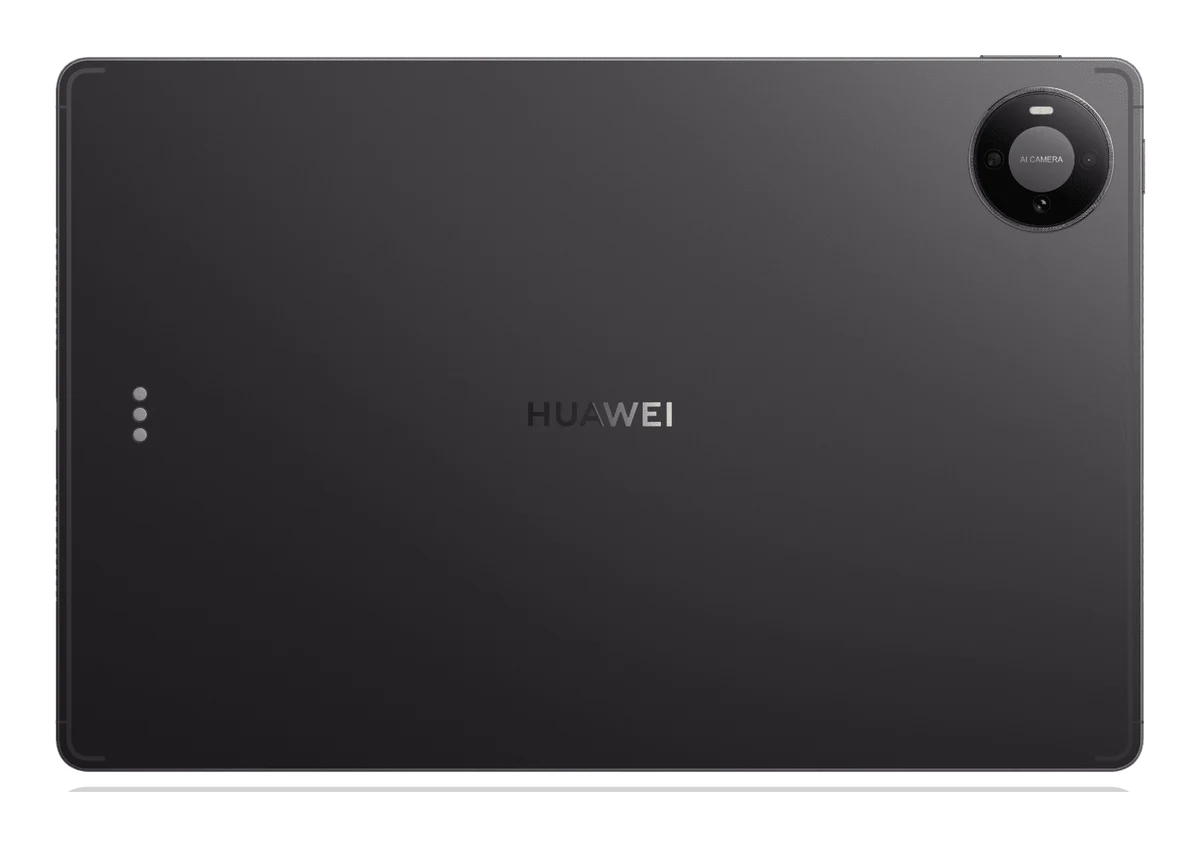
Huawei MatePad Pro 12 (2026): Huawei Kirin T93, released Aug 5, 2026, $830
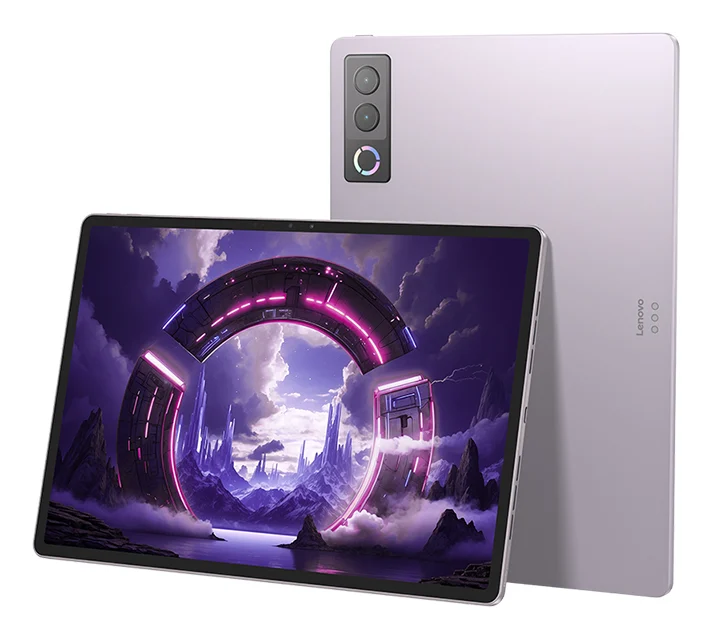
Lenovo Legion Y900 13: Qualcomm Snapdragon 8 Elite, released May 19, 2026
The Huawei MatePad Pro 12 (2026) is 3 months newer.
Chip vs chip: Huawei Kirin T93 vs Qualcomm Snapdragon 8 Elite →
InnoReviews verdict
No overall winner yet: Huawei MatePad Pro 12 (2026) lacks the published benchmark results an Inno Score requires, so there is no Inno Score to compare — we don't rank a device on its spec sheet alone. The spec table below still shows every difference we track.
Key differences
Reasons to pick the Huawei MatePad Pro 12 (2026)
- 45% higher peak brightness: 1,600 nits vs 1,100 nits
- 160 g lighter: 439 g vs 599 g
- 1.3 mm thinner: 4.7 mm vs 6 mm
- Rear camera: 50 MP vs 13 MP
- Front camera: 12 MP vs 8 MP
Reasons to pick the Lenovo Legion Y900 13
- 22% higher capacity: 12,700 mAh vs 10,400 mAh
- 20% higher pixel density: 355 ppi vs 296 ppi
- 33% higher RAM: 16 GB vs 12 GB
Up next
Which would you pick?
Huawei MatePad Pro 12 (2026) vs Lenovo Legion Y900 13: full specs
Display
| Spec | Huawei MatePad Pro 12 (2026) | Lenovo Legion Y900 13 |
|---|---|---|
| Screen size | 12.2 ″ | 13 ″+7% |
| Panel type | OLED | IPS LCD |
| Resolution | 3036 x 1952 | 3840 x 2560 |
| Pixel density | 296 ppi | 355 ppi+20% |
| Refresh rate | 144 Hz | 144 Hz |
| Peak brightness | 1,600 nits+45% | 1,100 nits |
Performance
| Spec | Huawei MatePad Pro 12 (2026) | Lenovo Legion Y900 13 |
|---|---|---|
| Chipset | Kirin T93 | Qualcomm Snapdragon 8 Elite |
| AnTuTu | — | 3,150,363Top 9% |
| AnTuTu 11 (CPU) | — | 912,007Top 12% |
| AnTuTu 11 (GPU) | — | 1,142,126Top 13% |
| AnTuTu 11 (Memory) | — | 402,238Top 11% |
| AnTuTu 11 (UX) | — | 693,992Top 11% |
| RAM | 12 GB | 16 GB+33% |
| Storage options | 256GB, 512GB | 256GB / 512GB |
Battery
| Spec | Huawei MatePad Pro 12 (2026) | Lenovo Legion Y900 13 |
|---|---|---|
| Capacity | 10,400 mAh | 12,700 mAh+22% |
| Charging | 66 W | 68 W+3% |
Design
| Spec | Huawei MatePad Pro 12 (2026) | Lenovo Legion Y900 13 |
|---|---|---|
| Weight | 439 g+27% | 599 g |
| Thickness | 4.7 mm+22% | 6 mm |
| Material | Glass front, aluminum frame, aluminum back | — |
Camera
| Spec | Huawei MatePad Pro 12 (2026) | Lenovo Legion Y900 13 |
|---|---|---|
| Rear camera | 50 MP+285% | 13 MP |
| Front camera | 12 MP+50% | 8 MP |
Connectivity
| Spec | Huawei MatePad Pro 12 (2026) | Lenovo Legion Y900 13 |
|---|---|---|
| Wi-Fi | Wi-Fi 7 | — |
| Bluetooth | 6.0 | — |
| Cellular | — | Wi-Fi only |
| USB | USB Type-C 3.1 | USB-C 3.2 Gen 1 (video output) |
Features
| Spec | Huawei MatePad Pro 12 (2026) | Lenovo Legion Y900 13 |
|---|---|---|
| Stylus | HUAWEI M-Pencil Pro | Lenovo Pen Pro (2nd gen), sold separately |
| Keyboard support | Yes | Yes |
| Speakers | 4 stereo speakers | Six speakers (Harman Kardon), Dolby Atmos |
| Operating system | HarmonyOS 6.1 | Android 16 |
Quick answers
Which is better: Huawei MatePad Pro 12 (2026) or Lenovo Legion Y900 13?
No overall winner yet: Huawei MatePad Pro 12 (2026) lacks the published benchmark results an Inno Score requires, so there is no Inno Score to compare — we don't rank a device on its spec sheet alone. The spec table below still shows every difference we track.
How do the scores compare?
There is no overall score comparison yet, because at least one of them still awaits benchmark results. On individual spec rows, Huawei MatePad Pro 12 (2026) wins 5 and Lenovo Legion Y900 13 wins 5.
What are the main differences between the Huawei MatePad Pro 12 (2026) and the Lenovo Legion Y900 13?
Huawei MatePad Pro 12 (2026) advantages: 45% higher peak brightness: 1,600 nits vs 1,100 nits; 160 g lighter: 439 g vs 599 g; 1.3 mm thinner: 4.7 mm vs 6 mm; Rear camera: 50 MP vs 13 MP; Front camera: 12 MP vs 8 MP. Lenovo Legion Y900 13 advantages: 22% higher capacity: 12,700 mAh vs 10,400 mAh; 20% higher pixel density: 355 ppi vs 296 ppi; 33% higher RAM: 16 GB vs 12 GB.
Use this on your site or forum
Copy a ready-made link. Scores on this page update as new results are published, so the link always leads to the current figures.