iPad 11th Gen (A16) vs POCO Pad M1
iPad 11th Gen (A16): Apple A16 Bionic, released Mar 12, 2025, $349
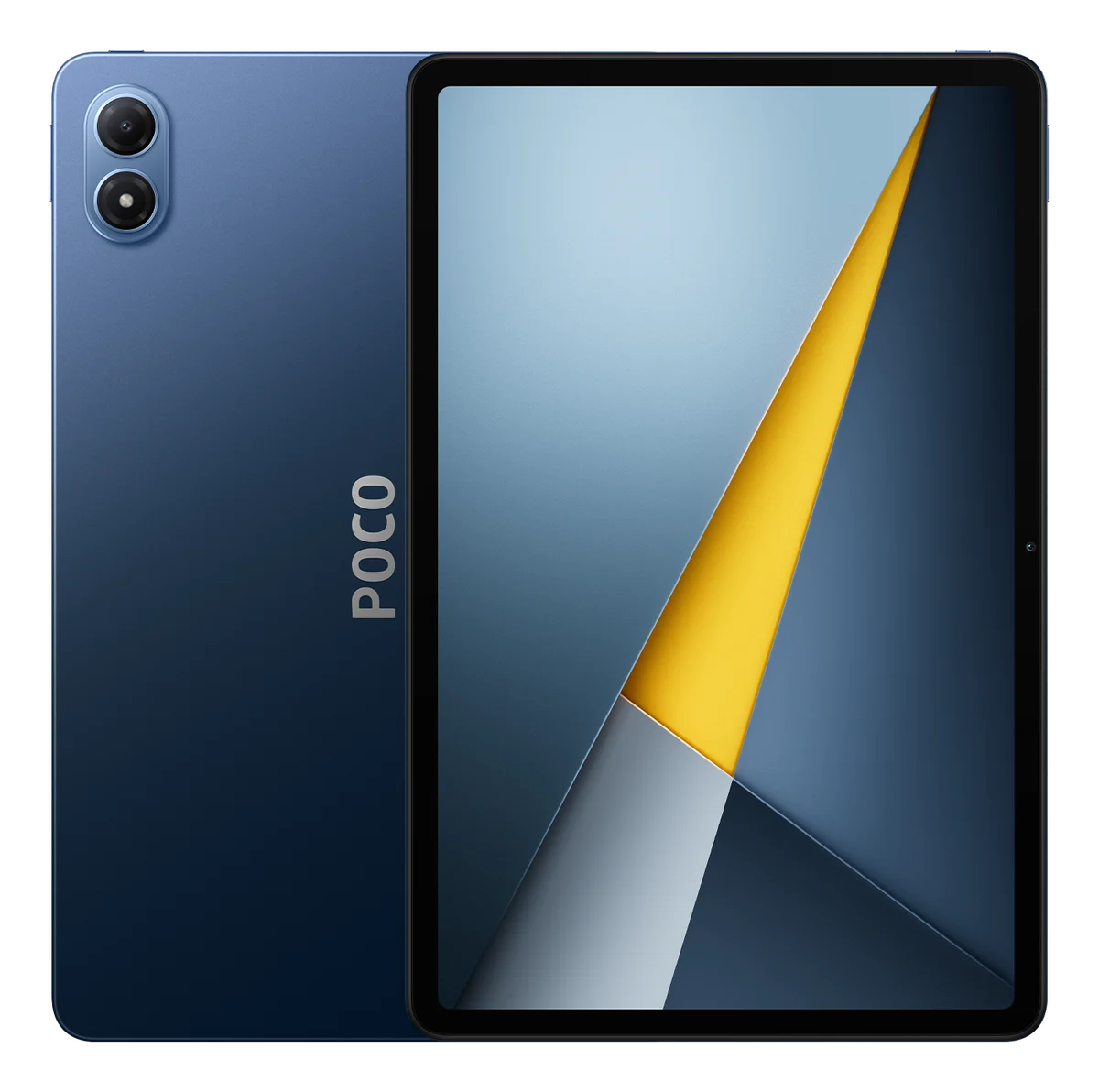
POCO Pad M1: Qualcomm Snapdragon 7s Gen 4, released Nov 26, 2025, $329
The POCO Pad M1 is 9 months newer.
Chip vs chip: Apple A16 Bionic vs Qualcomm Snapdragon 7s Gen 4 →

InnoReviews verdict
POCO Pad M1 wins this tablet face-off, 58 to 52.6. iPad 11th Gen (A16) still makes sense if its price or standout specs fit your needs better.
Key differences
Reasons to pick the iPad 11th Gen (A16)
- 75% higher AnTuTu: 1,677,285 vs 956,352
- 273% higher AnTuTu 11 (GPU): 456,143 vs 122,307
- 85% higher AnTuTu 11 (UX): 515,371 vs 278,652
- 50% higher rear camera: 12 MP vs 8 MP
- 50% higher front camera: 12 MP vs 8 MP
Reasons to pick the POCO Pad M1
- 100% higher refresh rate: 120 Hz vs 60 Hz
- 65% higher charging: 33 W vs 20 W
- 58% higher capacity: 12,000 mAh vs 7,606 mAh
- 48% higher endurance: 14.8 h vs 10 h
- 33% higher RAM: 8 GB vs 6 GB
Which would you pick?
iPad 11th Gen (A16) vs POCO Pad M1: full specs
Display
| Spec | iPad 11th Gen (A16) | POCO Pad M1 |
|---|---|---|
| Screen size | 10.9 ″ | 12.1 ″+11% |
| Panel type | Liquid Retina IPS LCD | IPS LCD |
| Resolution | 2360x1640 | 2560x1600 |
| Pixel density | 264 ppi+6% | 249 ppi |
| Refresh rate | 60 Hz | 120 Hz+100% |
| Peak brightness | 500 nits | 600 nits+20% |
Performance
| Spec | iPad 11th Gen (A16) | POCO Pad M1 |
|---|---|---|
| Chipset | Apple A16 | Qualcomm Snapdragon 7s Gen 4 |
| AnTuTu 11 | 1,677,285+75%Top 48% | 956,352Bottom 35% |
| AnTuTu 11 (CPU) | 501,155+26%Top 49% | 398,956Bottom 39% |
| AnTuTu 11 (GPU) | 456,143+273%Top 46% | 122,307Bottom 31% |
| AnTuTu 11 (Memory) | 204,616+31%Bottom 44% | 156,437Bottom 28% |
| AnTuTu 11 (UX) | 515,371+85%Top 37% | 278,652Bottom 42% |
| AnTuTu 12 | — | 1,128,442Bottom 34% |
| Geekbench 6 (single) | — | 1,238Bottom 40% |
| Geekbench 6 (multi) | — | 3,242Bottom 36% |
| RAM | 6 GB | 8 GB+33% |
| Storage options | 128GB / 256GB / 512GB | 256GB + microSD |
Battery
| Spec | iPad 11th Gen (A16) | POCO Pad M1 |
|---|---|---|
| Capacity | 7,606 mAh | 12,000 mAh+58% |
| Charging | 20 W | 33 W+65% |
| Endurance | 10 h | 14.8 h+48% |
Design
| Spec | iPad 11th Gen (A16) | POCO Pad M1 |
|---|---|---|
| Weight | 477 g+22% | 610 g |
| Thickness | 7 mm+7% | 7.5 mm |
| Material | Aluminum | Metal unibody |
Camera
| Spec | iPad 11th Gen (A16) | POCO Pad M1 |
|---|---|---|
| Rear camera | 12 MP+50% | 8 MP |
| Front camera | 12 MP+50% | 8 MP |
Connectivity
| Spec | iPad 11th Gen (A16) | POCO Pad M1 |
|---|---|---|
| Wi-Fi | Wi-Fi 6 | Wi-Fi 6 |
| Bluetooth | 5.3 | 5.4 |
| Cellular | 5G optional | Wi-Fi only |
| USB | USB-C 2.0 | USB-C 2.0 |
Features
| Spec | iPad 11th Gen (A16) | POCO Pad M1 |
|---|---|---|
| Stylus | Apple Pencil (USB-C / 1st gen) | POCO Smart Pen (sold separately) |
| Keyboard support | Yes | Yes |
| Speakers | Stereo (landscape) | Quad (Dolby Atmos) |
| Operating system | iPadOS 18 | Android 15 (HyperOS 2) |
Quick answers
Which is better: iPad 11th Gen (A16) or POCO Pad M1?
POCO Pad M1 wins this tablet face-off, 58 to 52.6. iPad 11th Gen (A16) still makes sense if its price or standout specs fit your needs better.
How do the scores compare?
iPad 11th Gen (A16) scores 52.6/100 overall; POCO Pad M1 scores 58/100. iPad 11th Gen (A16) wins 10 individual spec rows, POCO Pad M1 wins 7.
What are the main differences between the iPad 11th Gen (A16) and the POCO Pad M1?
iPad 11th Gen (A16) advantages: 75% higher AnTuTu: 1,677,285 vs 956,352; 273% higher AnTuTu 11 (GPU): 456,143 vs 122,307; 85% higher AnTuTu 11 (UX): 515,371 vs 278,652; 50% higher rear camera: 12 MP vs 8 MP; 50% higher front camera: 12 MP vs 8 MP. POCO Pad M1 advantages: 100% higher refresh rate: 120 Hz vs 60 Hz; 65% higher charging: 33 W vs 20 W; 58% higher capacity: 12,000 mAh vs 7,606 mAh; 48% higher endurance: 14.8 h vs 10 h; 33% higher RAM: 8 GB vs 6 GB.
Which is cheaper: iPad 11th Gen (A16) or POCO Pad M1?
POCO Pad M1 launched cheaper at $329, versus $349 for the iPad 11th Gen (A16).
Use this on your site or forum
Copy a ready-made link. Scores on this page update as new results are published, so the link always leads to the current figures.