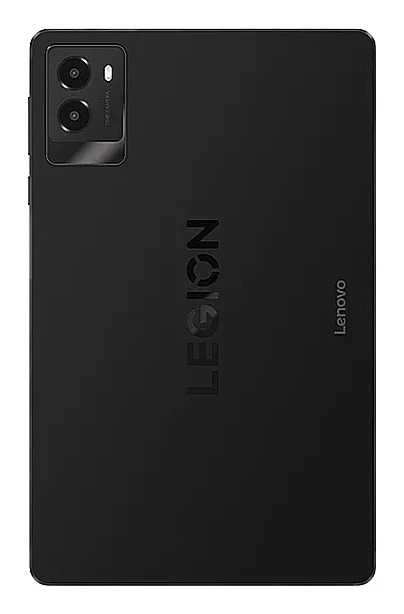
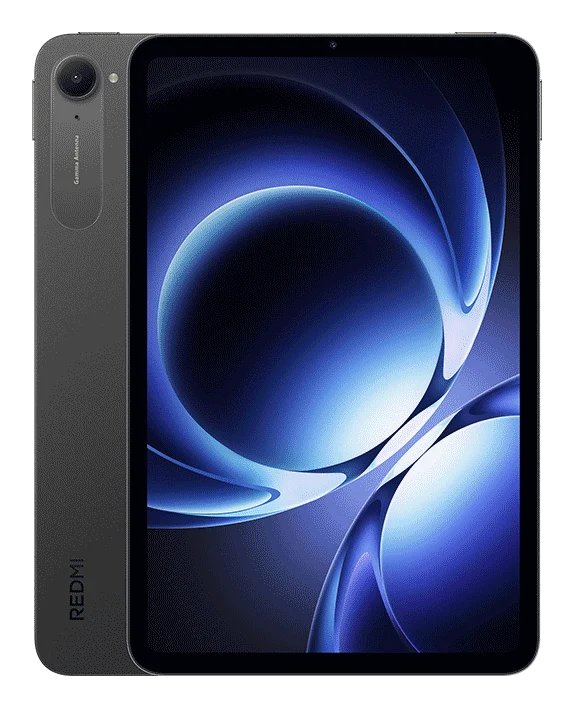
Lenovo Legion Y700 (2024) vs REDMI K Pad
Lenovo Legion Y700 (2024): Qualcomm Snapdragon 8 Gen 3, released Sep 29, 2024
REDMI K Pad: MediaTek Dimensity 9400+, released Jun 26, 2025
The REDMI K Pad is 9 months newer.
Chip vs chip: Qualcomm Snapdragon 8 Gen 3 vs MediaTek Dimensity 9400+ →
InnoReviews verdict
This one is close to a dead heat: Lenovo Legion Y700 (2024) scores 62.1 against 63 for REDMI K Pad. Pick by the categories that matter to you, or by price.
Key differences
Reasons to pick the Lenovo Legion Y700 (2024)
- 50% higher RAM: 12 GB vs 8 GB
Reasons to pick the REDMI K Pad
- 16% higher AnTuTu: 2,727,940 vs 2,361,181
- 40% higher peak brightness: 700 nits vs 500 nits
- 21% higher AnTuTu 11 (GPU): 970,237 vs 799,604
- 18% higher AnTuTu 11 (CPU): 783,284 vs 666,399
- 17% higher pixel density: 403 ppi vs 343 ppi
Which would you pick?
Lenovo Legion Y700 (2024) vs REDMI K Pad: full specs
Display
| Spec | Lenovo Legion Y700 (2024) | REDMI K Pad |
|---|---|---|
| Screen size | 8.8 ″ | 8.8 ″ |
| Panel type | IPS LCD | LCD |
| Resolution | 2560x1600 | 3008x1880 |
| Pixel density | 343 ppi | 403 ppi+17% |
| Refresh rate | 165 Hz | 165 Hz |
| Peak brightness | 500 nits | 700 nits+40% |
Performance
| Spec | Lenovo Legion Y700 (2024) | REDMI K Pad |
|---|---|---|
| Chipset | Qualcomm Snapdragon 8 Gen 3 | MediaTek Dimensity 9400+ |
| AnTuTu 11 | 2,361,181Top 32% | 2,727,940+16%Top 23% |
| AnTuTu 11 (CPU) | 666,399Top 32% | 783,284+18%Top 24% |
| AnTuTu 11 (GPU) | 799,604Top 34% | 970,237+21%Top 21% |
| AnTuTu 11 (Memory) | 328,711Top 28% | 372,040+13%Top 18% |
| AnTuTu 11 (UX) | 566,467Top 27% | 602,379+6%Top 24% |
| AnTuTu 12 | — | 2,618,636Top 29% |
| Geekbench 6 (single) | — | 2,733Top 20% |
| Geekbench 6 (multi) | — | 8,355Top 24% |
| RAM | 12 GB+50% | 8 GB |
| Storage options | 256GB / 512GB | 256GB / 512GB / 1TB |
Battery
| Spec | Lenovo Legion Y700 (2024) | REDMI K Pad |
|---|---|---|
| Capacity | 6,550 mAh | 7,500 mAh+15% |
| Charging | 68 W+1% | 67 W |
Design
| Spec | Lenovo Legion Y700 (2024) | REDMI K Pad |
|---|---|---|
| Weight | 350 g | 326 g+7% |
| Thickness | 7.8 mm | 6.5 mm+17% |
| Material | — | Metal unibody |
Camera
| Spec | Lenovo Legion Y700 (2024) | REDMI K Pad |
|---|---|---|
| Rear camera | 13 MP | 13 MP |
| Front camera | 8 MP | 8 MP |
Connectivity
| Spec | Lenovo Legion Y700 (2024) | REDMI K Pad |
|---|---|---|
| Wi-Fi | Wi-Fi 6 | Wi-Fi 7 |
| Bluetooth | 5.4 | 5.4 |
| Cellular | Wi-Fi only | Wi-Fi only |
| USB | Dual USB-C 3.1 Gen 2 (DisplayPort output) | 2x USB-C (USB 3.2 Gen 1 + USB 2.0) |
Features
| Spec | Lenovo Legion Y700 (2024) | REDMI K Pad |
|---|---|---|
| Stylus | — | Xiaomi Focus Pen / Redmi Stylus |
| Keyboard support | No | No |
| Speakers | Dual JBL speakers (Dolby Atmos) | Stereo speakers with Dolby Atmos |
| Operating system | Android 14 (ZUI 16.1) | Xiaomi HyperOS 2 |
Quick answers
Which is better: Lenovo Legion Y700 (2024) or REDMI K Pad?
This one is close to a dead heat: Lenovo Legion Y700 (2024) scores 62.1 against 63 for REDMI K Pad. Pick by the categories that matter to you, or by price.
How do the scores compare?
Lenovo Legion Y700 (2024) scores 62.1/100 overall; REDMI K Pad scores 63/100. Lenovo Legion Y700 (2024) wins 2 individual spec rows, REDMI K Pad wins 10.
What are the main differences between the Lenovo Legion Y700 (2024) and the REDMI K Pad?
Lenovo Legion Y700 (2024) advantages: 50% higher RAM: 12 GB vs 8 GB. REDMI K Pad advantages: 16% higher AnTuTu: 2,727,940 vs 2,361,181; 40% higher peak brightness: 700 nits vs 500 nits; 21% higher AnTuTu 11 (GPU): 970,237 vs 799,604; 18% higher AnTuTu 11 (CPU): 783,284 vs 666,399; 17% higher pixel density: 403 ppi vs 343 ppi.
Use this on your site or forum
Copy a ready-made link. Scores on this page update as new results are published, so the link always leads to the current figures.