 ZoomPhoto 1 of 1
Huawei
Huawei Kirin XE90
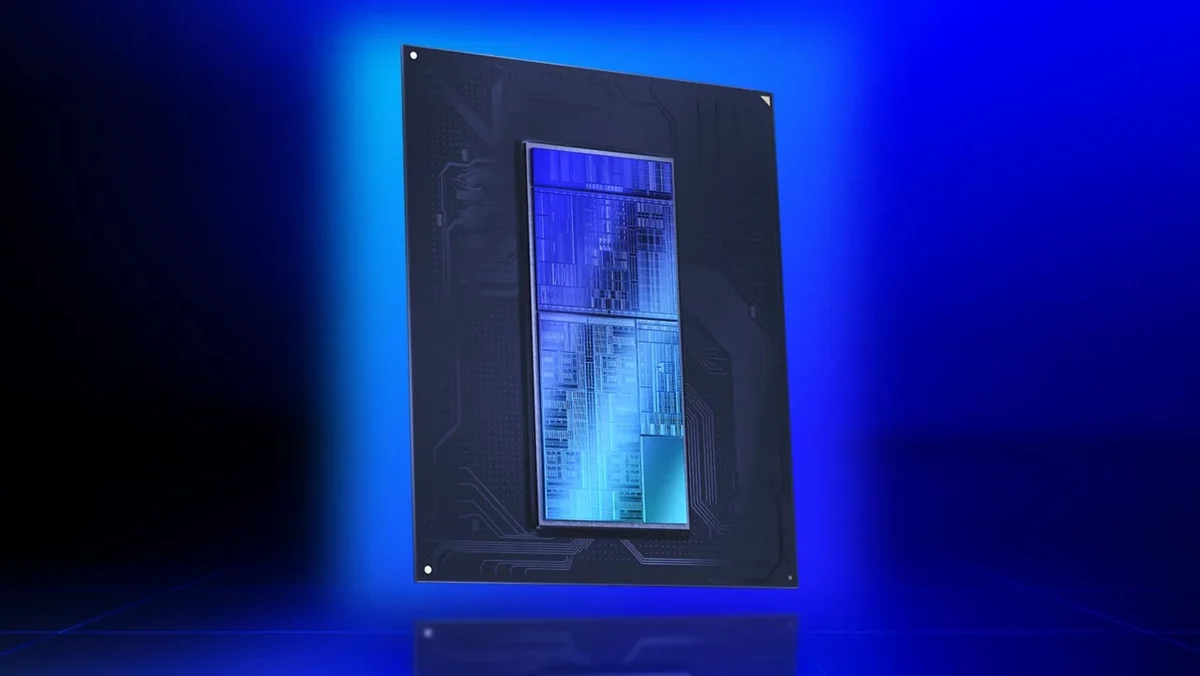
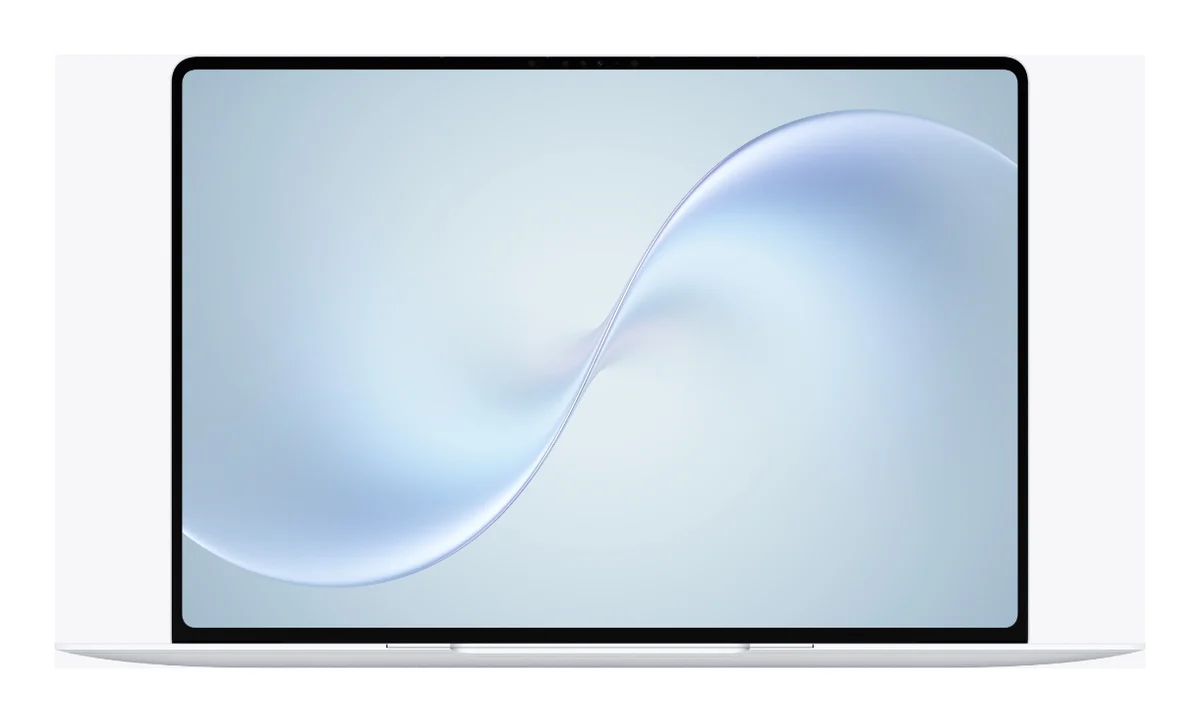
The Kirin XE90 is Huawei's new efficiency-tier PC processor, launched in the China-only MateBook Pro S in August 2026. Huawei says it delivers 23% higher single-core performance, 25% better power efficiency and 40% higher NPU throughput than the Kirin X90, within a 20W TDP ceiling, but has not disclosed the chip's core layout.
Pros
- Positioned as Huawei's efficiency-tier counterpart to the performance-focused Kirin X90 Plus
- Huawei claims 23% higher single-core performance than the Kirin X90
- Huawei claims 25% better power efficiency than the Kirin X90
- Huawei claims 40% higher NPU throughput than the Kirin X90
- Capped at a 20W TDP to fit Huawei's thin-and-light MateBook Pro S chassis, per Huawei
Cons
- Huawei has not disclosed core count, clock speeds, cache size, integrated GPU, or the manufacturing process node
- Independent reports on the core configuration disagree with each other, and none is officially confirmed
- No independent Geekbench or Cinebench results have been published yet
- Sold only in China so far, in the MateBook Pro S starting at 7,999 yuan
Awaiting benchmarks
No Inno Score yet: single-core and multi-core still need a published benchmark result.
Full specifications
Everything we track for the Huawei Kirin XE90
General
- Announced
- 2026
- Max TDP
- 20 W
Devices with the Huawei Kirin XE90
1 device in our catalog uses this chip
Quick answers
Is the Huawei Kirin XE90 good in 2026?
We haven't scored the Huawei Kirin XE90 yet: there are no published single-core and multi-core benchmark results for it in our database, and we don't score chips on their spec sheet alone. The Kirin XE90 is Huawei's new efficiency-tier PC processor, launched in the China-only MateBook Pro S in August 2026. Huawei says it delivers 23% higher single-core performance, 25% better power efficiency and 40% higher NPU throughput than the Kirin X90, within a 20W TDP ceiling, but has not disclosed the chip's core layout.
Which devices use the Huawei Kirin XE90?
One device in our catalog uses the Huawei Kirin XE90: HUAWEI MateBook Pro S.
What are the closest alternatives to the Huawei Kirin XE90?
Its closest rivals on InnoReviews are Apple M5 Max (18-core), Apple M5 Pro (18-core), Apple M6 (12-core) — open the comparison pages for a spec-by-spec breakdown.