 ZoomPhoto 1 of 1
AMD
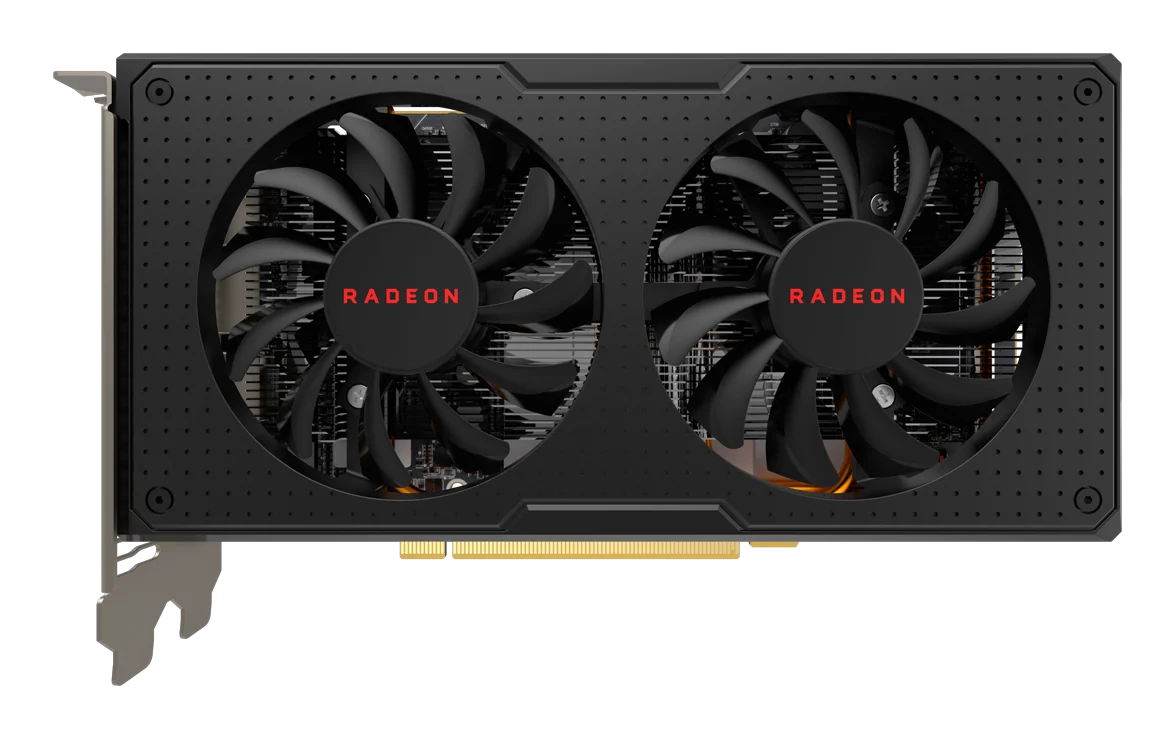
AMD Radeon RX 580
Polaris refreshed and overclocked: 2,304 stream processors, 8GB of GDDR5 and a 256-bit bus for $229 in 2017. It defined budget 1080p gaming for half a decade and still turns up in cheap builds and second-hand listings today.
Pros
- 8GB of VRAM at a 2017 budget price
- 256-bit bus and 256GB/s of bandwidth
- Long driver support and a huge used supply
- Held up at 1080p for years after launch
Cons
- 185W on a 14nm process is deeply inefficient
- No ray tracing hardware at all
- Many partner cards run hot and loud
Below average
Computed from specs & benchmarks via our public methodology.
Full specifications
Everything we track for the AMD Radeon RX 580
General
- Announced
- 2017
- Architecture
- GCN 4.0 (Polaris)
- Process
- 14 nm
- TDP
- 185 W
- Power connector
- 1x 8-pin
Cores & Clocks
- Shading units
- 2,304
- Base clock
- 1,257 MHz
- Boost clock
- 1,340 MHz
Memory
- VRAM
- 8 GB
- VRAM type
- GDDR5
- Bus width
- 256 bit
- Bandwidth
- 256 GB/s
Benchmarks
- 3DMark Time Spy
- 4,348Bottom 12%
- PassMark G3D
- 8,782Bottom 9%
Features
- Upscaling
- FSR 2 (game-side)
Quick answers
Is the AMD Radeon RX 580 good in 2026?
The AMD Radeon RX 580 earns an Inno Score of 34.3/100 (“Below average”) based on its specs and benchmark results. Polaris refreshed and overclocked: 2,304 stream processors, 8GB of GDDR5 and a 256-bit bus for $229 in 2017. It defined budget 1080p gaming for half a decade and still turns up in cheap builds and second-hand listings today.
What are the key specs of the AMD Radeon RX 580?
VRAM: 8 GB · Boost clock: 1,340 MHz · TDP: 185 W · 3DMark Time Spy: 4,348
What are the closest alternatives to the AMD Radeon RX 580?
Its closest rivals on InnoReviews are NVIDIA GeForce GTX 980 Ti, AMD Radeon RX 590, NVIDIA GeForce GTX 1060 6GB — open the comparison pages for a spec-by-spec breakdown.