 ZoomPhoto 1 of 1
NVIDIA
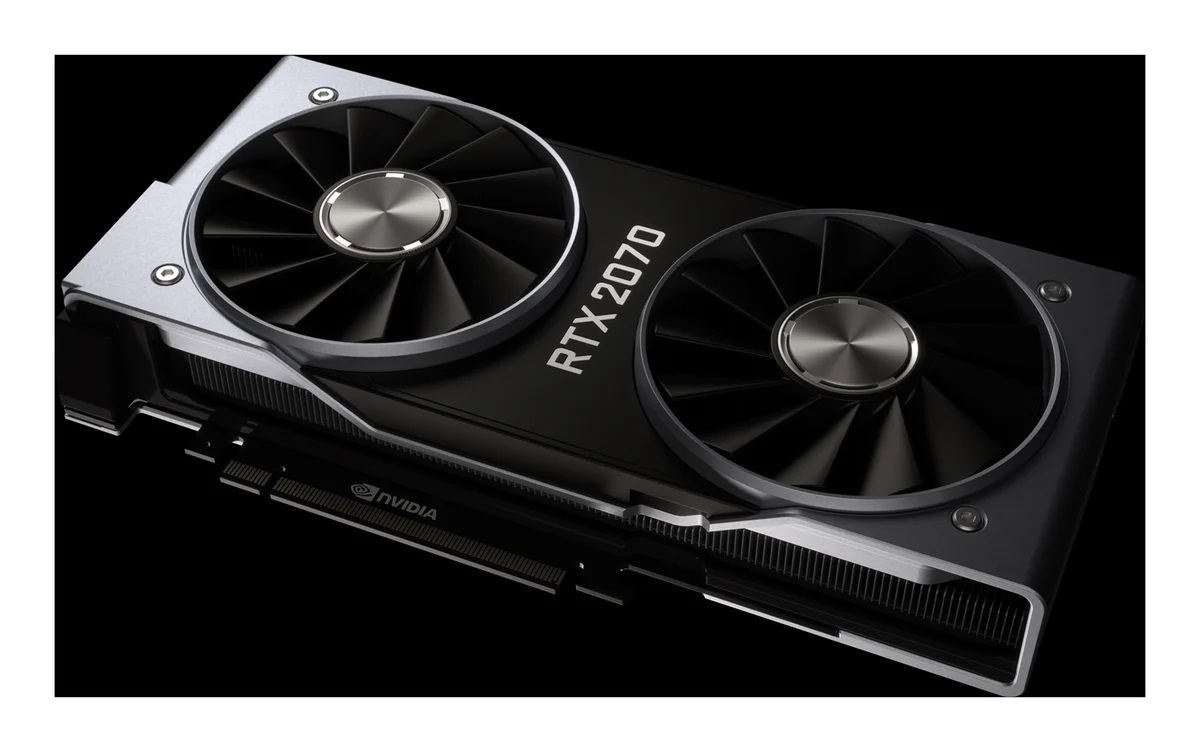
NVIDIA GeForce RTX 2070
NVIDIA's mid-tier Turing launch card from October 2018, pairing 2,304 CUDA cores and 36 RT cores with 8GB of GDDR6 on a 256-bit bus. At $499 it landed between the GTX 1080 and GTX 1080 Ti while adding hardware ray tracing and DLSS.
Pros
- 8GB of GDDR6 delivering 448GB/s of bandwidth on a 256-bit bus
- 36 RT cores and 288 Tensor cores enable ray tracing and DLSS
- Outperforms the previous-generation GTX 1080 in raster workloads
- 175W TDP runs off a single 8-pin power connector
Cons
- No NVLink support, unlike the RTX 2080 and 2080 Ti
- Few games supported ray tracing at launch
- Superseded within a year by the similarly priced, faster RTX 2070 Super
Below average
Computed from specs & benchmarks via our public methodology.
Full specifications
Everything we track for the NVIDIA GeForce RTX 2070
General
- Announced
- 2018
- Architecture
- Turing
- Process
- 12 nm
- TDP
- 175 W
- Power connector
- 1x 8-pin
Cores & Clocks
- Shading units
- 2,304
- RT cores
- 36
- Tensor / AI cores
- 288
- Base clock
- 1,410 MHz
- Boost clock
- 1,620 MHz
Memory
- VRAM
- 8 GB
- VRAM type
- GDDR6
- Bus width
- 256 bit
- Bandwidth
- 448 GB/s
Benchmarks
- 3DMark Time Spy
- 9,073Bottom 33%
- 3DMark Speed Way
- 1,905Bottom 20%
- PassMark G3D
- 16,052Bottom 35%
Features
- Upscaling
- DLSS 4 (no FG)
Quick answers
Is the NVIDIA GeForce RTX 2070 good in 2026?
The NVIDIA GeForce RTX 2070 earns an Inno Score of 41/100 (“Below average”) based on its specs and benchmark results. NVIDIA's mid-tier Turing launch card from October 2018, pairing 2,304 CUDA cores and 36 RT cores with 8GB of GDDR6 on a 256-bit bus. At $499 it landed between the GTX 1080 and GTX 1080 Ti while adding hardware ray tracing and DLSS.
What are the key specs of the NVIDIA GeForce RTX 2070?
VRAM: 8 GB · Boost clock: 1,620 MHz · TDP: 175 W · 3DMark Time Spy: 9,073
What are the closest alternatives to the NVIDIA GeForce RTX 2070?
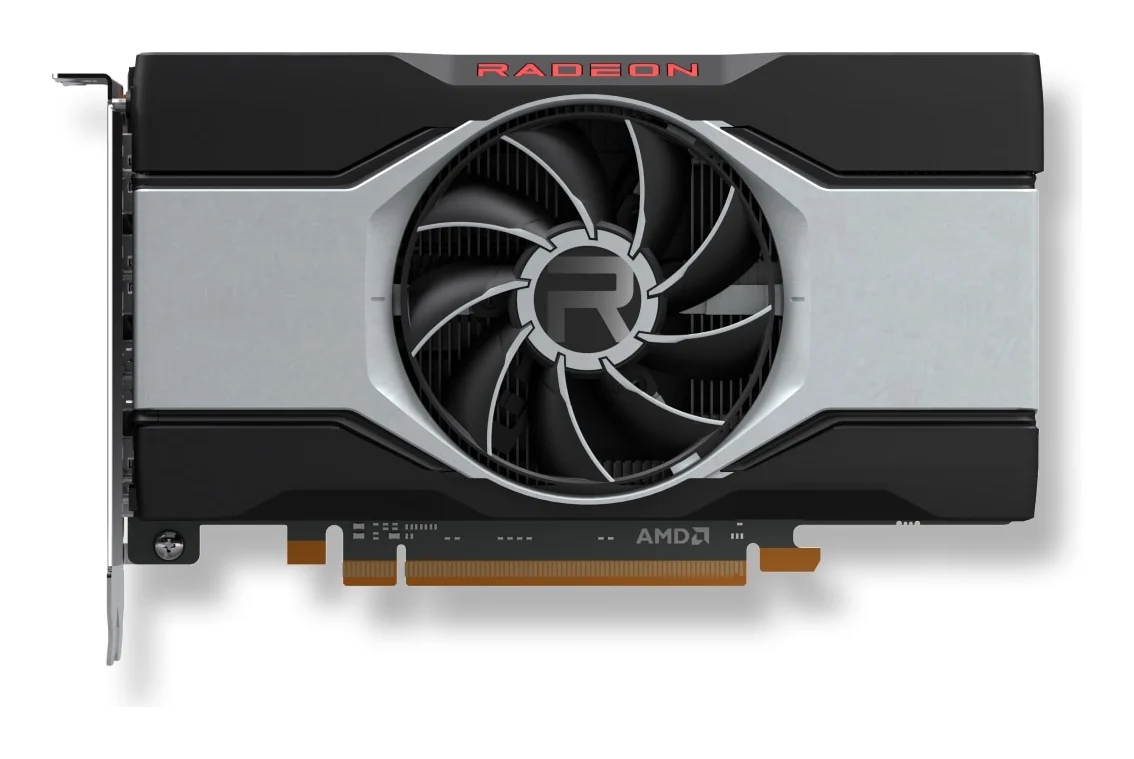
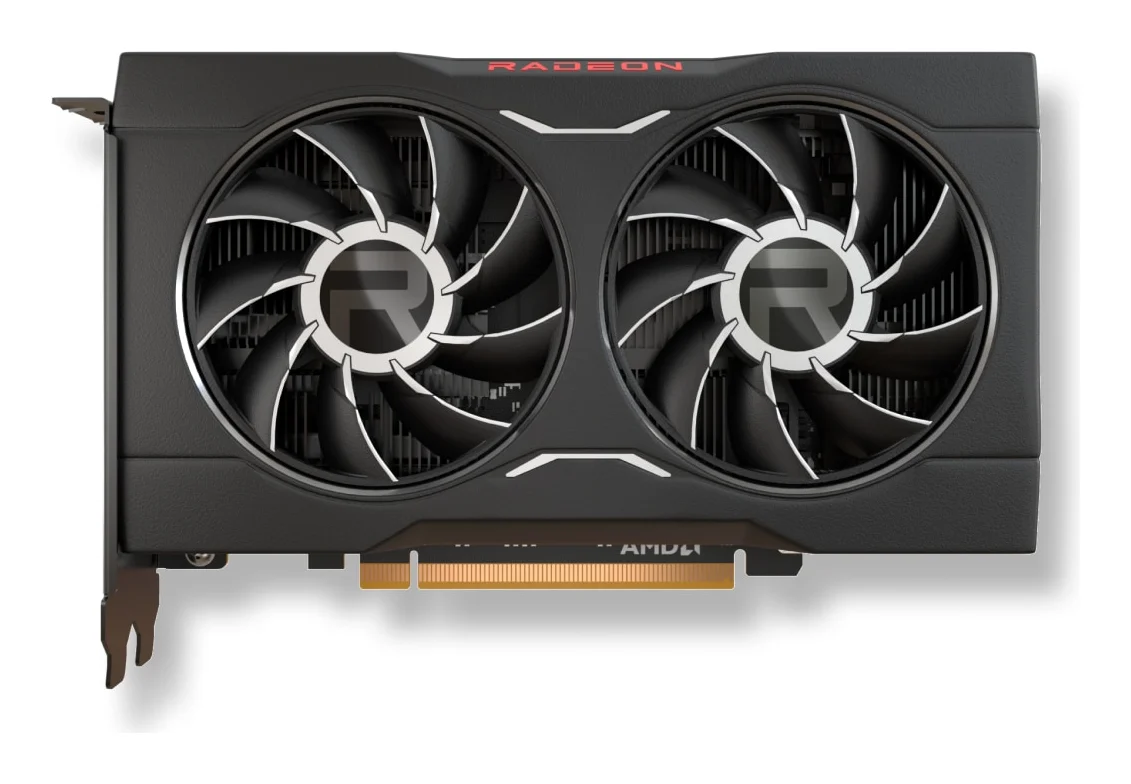
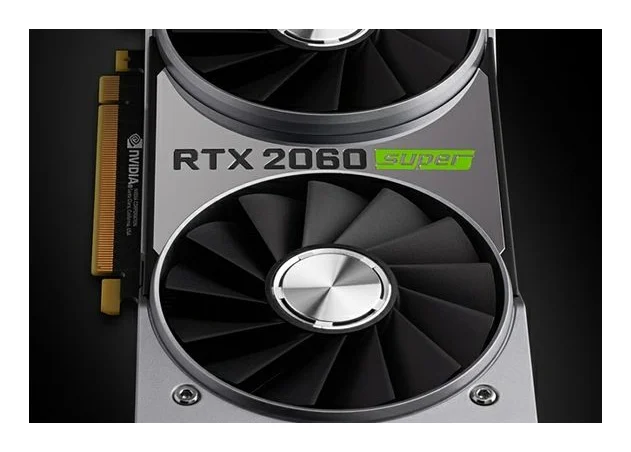
Its closest rivals on InnoReviews are AMD Radeon RX 6600 XT, AMD Radeon RX 6650 XT, NVIDIA GeForce RTX 2060 Super — open the comparison pages for a spec-by-spec breakdown.