 ZoomPhoto 1 of 1
NVIDIA
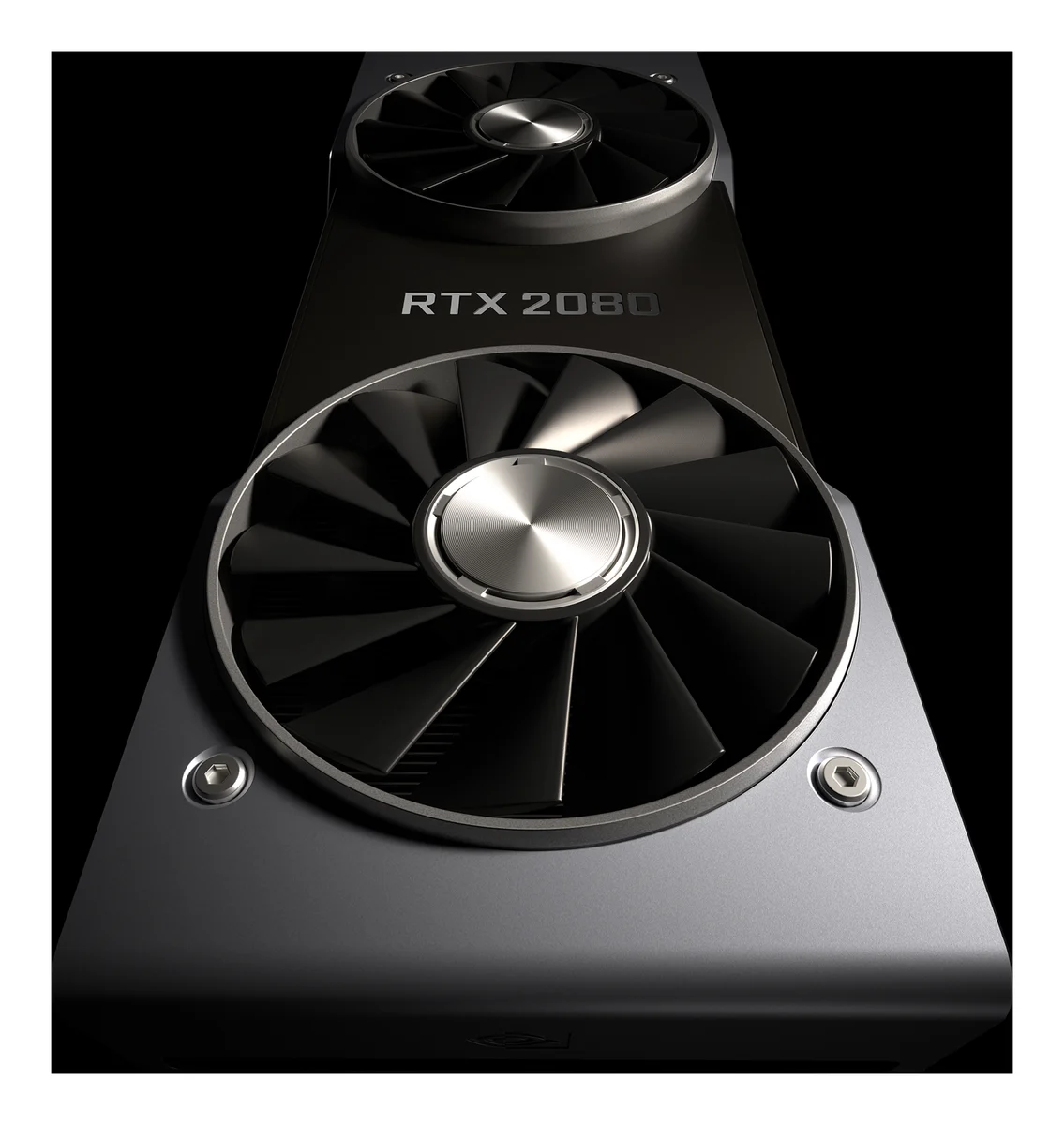
NVIDIA GeForce RTX 2080
NVIDIA's second-tier Turing launch card from September 2018, built on the TU104 die with 2,944 CUDA cores, 46 RT cores and 8GB of GDDR6. Priced at $699, it introduced 2-way NVLink and roughly matched the previous-generation GTX 1080 Ti in raster performance.
Pros
- 46 RT cores and 368 Tensor cores for hardware ray tracing and DLSS
- 8GB of GDDR6 at 448GB/s across a 256-bit bus
- 2-way NVLink support, unlike the RTX 2070
- Raster performance close to the previous-generation GTX 1080 Ti
Cons
- $699 launch price was a step up from the GTX 1080's debut MSRP
- Needs both a 6-pin and 8-pin power connector
- Very few games supported ray tracing at launch
Below average
Computed from specs & benchmarks via our public methodology.
Full specifications
Everything we track for the NVIDIA GeForce RTX 2080
General
- Announced
- 2018
- Architecture
- Turing
- Process
- 12 nm
- TDP
- 215 W
- Power connector
- 1x 8-pin + 1x 6-pin
Cores & Clocks
- Shading units
- 2,944
- RT cores
- 46
- Tensor / AI cores
- 368
- Base clock
- 1,515 MHz
- Boost clock
- 1,710 MHz
Memory
- VRAM
- 8 GB
- VRAM type
- GDDR6
- Bus width
- 256 bit
- Bandwidth
- 448 GB/s
Benchmarks
- 3DMark Time Spy
- 11,072Bottom 46%
- 3DMark Speed Way
- 2,185Bottom 29%
- PassMark G3D
- 18,574Bottom 47%
Features
- Upscaling
- DLSS 4 (no FG)
Quick answers
Is the NVIDIA GeForce RTX 2080 good in 2026?
The NVIDIA GeForce RTX 2080 earns an Inno Score of 42.4/100 (“Below average”) based on its specs and benchmark results. NVIDIA's second-tier Turing launch card from September 2018, built on the TU104 die with 2,944 CUDA cores, 46 RT cores and 8GB of GDDR6. Priced at $699, it introduced 2-way NVLink and roughly matched the previous-generation GTX 1080 Ti in raster performance.
What are the key specs of the NVIDIA GeForce RTX 2080?
VRAM: 8 GB · Boost clock: 1,710 MHz · TDP: 215 W · 3DMark Time Spy: 11,072
What are the closest alternatives to the NVIDIA GeForce RTX 2080?
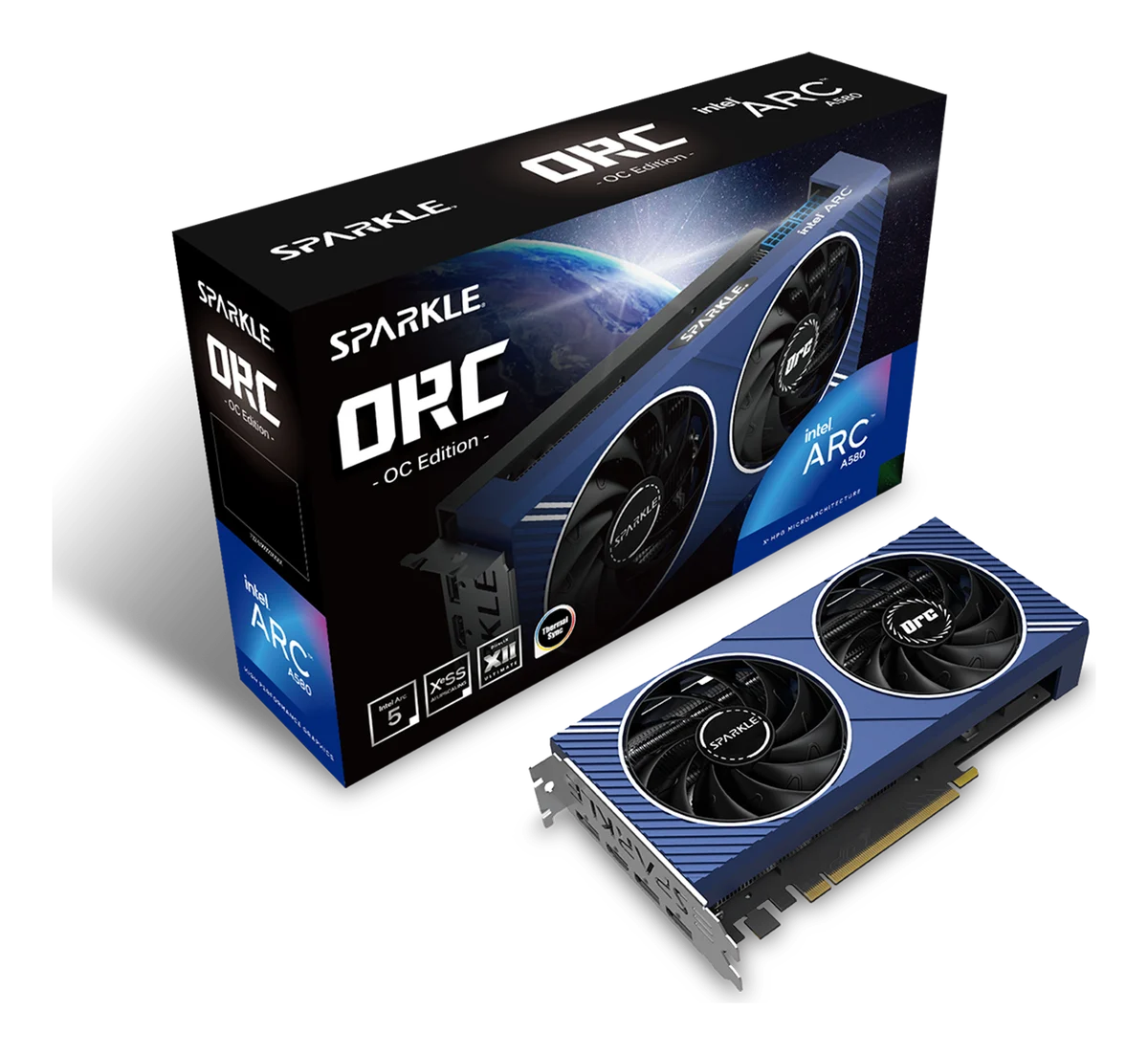
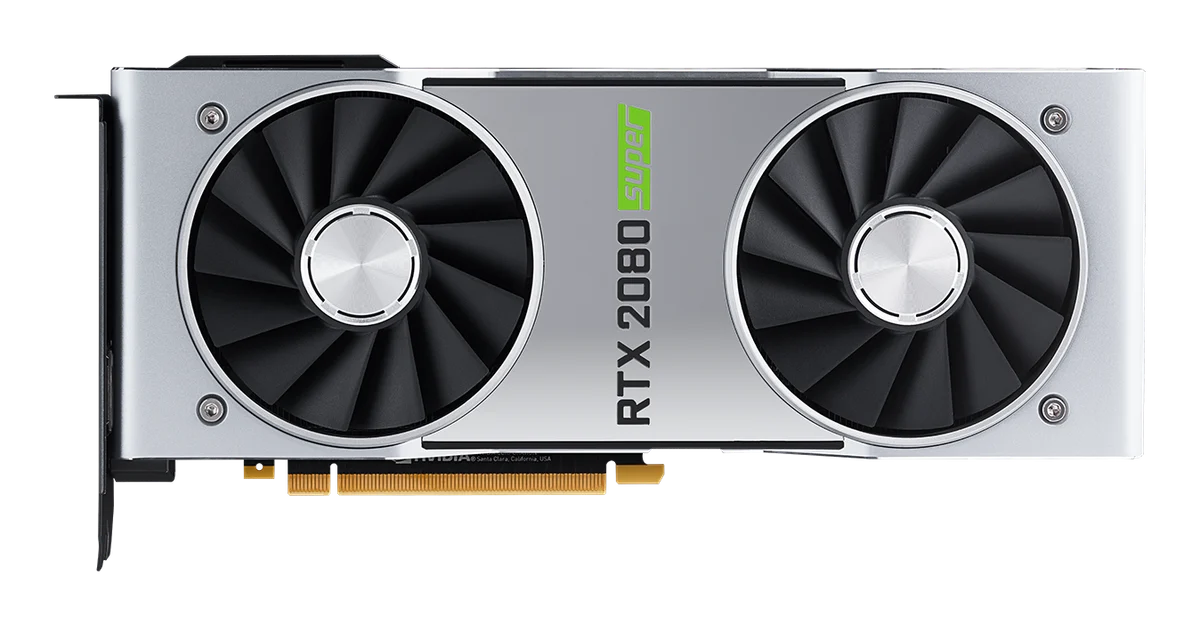
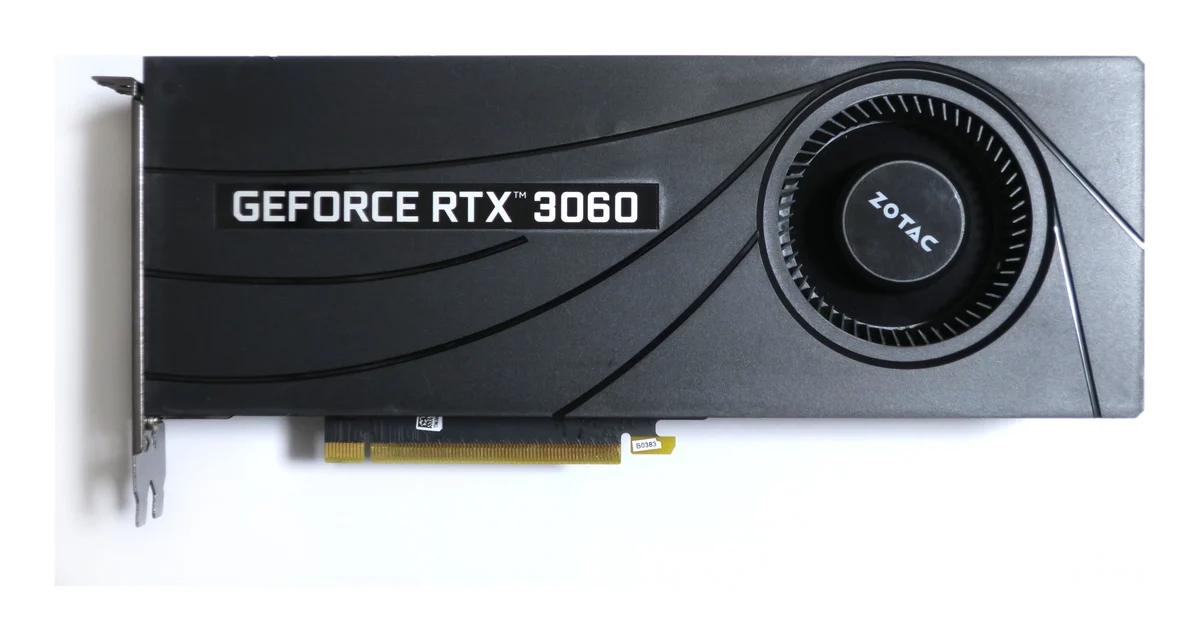
Its closest rivals on InnoReviews are Intel Arc A580, NVIDIA GeForce RTX 2080 Super, NVIDIA GeForce RTX 3060 — open the comparison pages for a spec-by-spec breakdown.