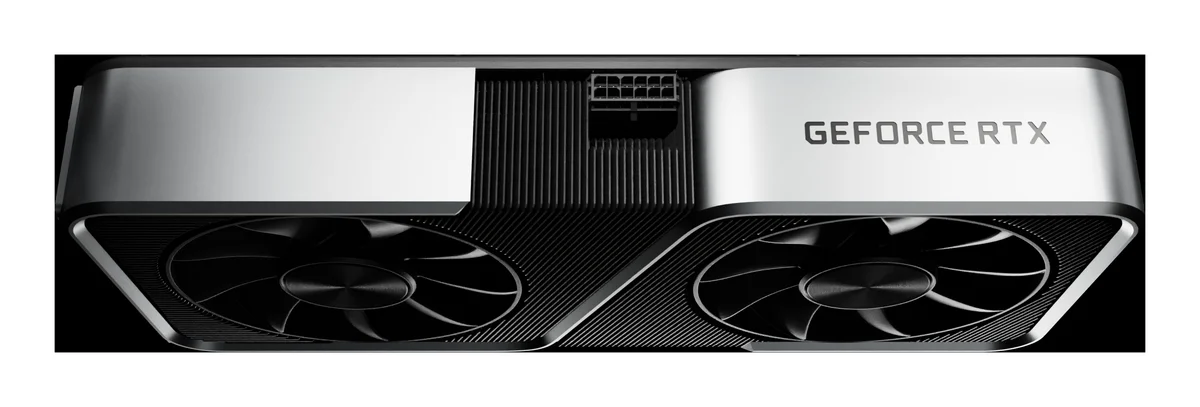
 ZoomPhoto 1 of 1
NVIDIA
NVIDIA GeForce RTX 3060 Ti
GA104 cut to 4,864 CUDA cores but paired with a full 256-bit bus and 448GB/s of GDDR6 — the value sweet spot of the Ampere stack. It traded blows with the previous-generation RTX 2080 Super at 1440p for $399, and DLSS has kept it viable for years.
Pros
- Outstanding 1440p performance per dollar
- 448GB/s across a full 256-bit bus
- Within a few percent of the RTX 2080 Super
- Second-gen RT cores plus DLSS support
Cons
- 8GB of VRAM is tight for modern 1440p textures
- 200W board power needs a 12-pin adapter on Founders cards
- Was nearly impossible to buy at MSRP during the shortage
Below average
Computed from specs & benchmarks via our public methodology.
Full specifications
Everything we track for the NVIDIA GeForce RTX 3060 Ti
General
- Announced
- 2020
- Architecture
- Ampere
- Process
- 8 nm
- TDP
- 200 W
- Power connector
- 1x 12-pin
Cores & Clocks
- Shading units
- 4,864
- RT cores
- 38
- Tensor / AI cores
- 152
- Base clock
- 1,410 MHz
- Boost clock
- 1,665 MHz
Memory
- VRAM
- 8 GB
- VRAM type
- GDDR6
- Bus width
- 256 bit
- Bandwidth
- 448 GB/s
Benchmarks
- 3DMark Time Spy
- 11,300Bottom 47%
- 3DMark Speed Way
- 2,850Bottom 34%
- PassMark G3D
- 17,900Top 50%
- 1080p Ultra
- 105 fpsBottom 36%
- 1440p Ultra
- 75 fpsBottom 36%
- 4K Ultra
- 40 fpsBottom 38%
Features
- Upscaling
- DLSS 4 (no FG)
Quick answers
Is the NVIDIA GeForce RTX 3060 Ti good in 2026?
The NVIDIA GeForce RTX 3060 Ti earns an Inno Score of 45.1/100 (“Below average”) based on its specs and benchmark results. GA104 cut to 4,864 CUDA cores but paired with a full 256-bit bus and 448GB/s of GDDR6 — the value sweet spot of the Ampere stack. It traded blows with the previous-generation RTX 2080 Super at 1440p for $399, and DLSS has kept it viable for years.
What are the key specs of the NVIDIA GeForce RTX 3060 Ti?
VRAM: 8 GB · Boost clock: 1,665 MHz · TDP: 200 W · 3DMark Time Spy: 11,300
What are the closest alternatives to the NVIDIA GeForce RTX 3060 Ti?
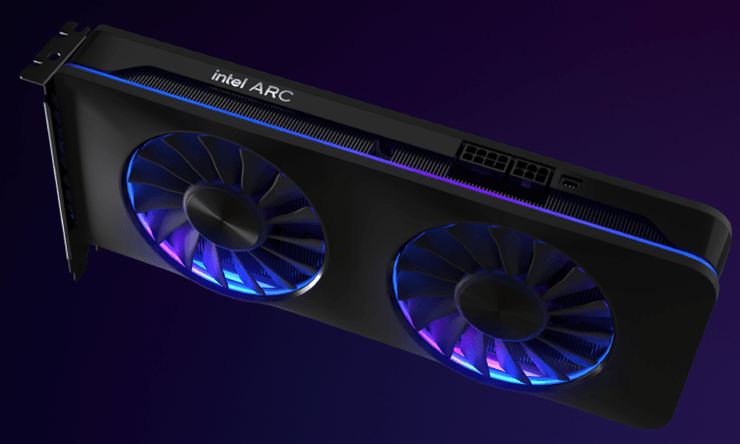
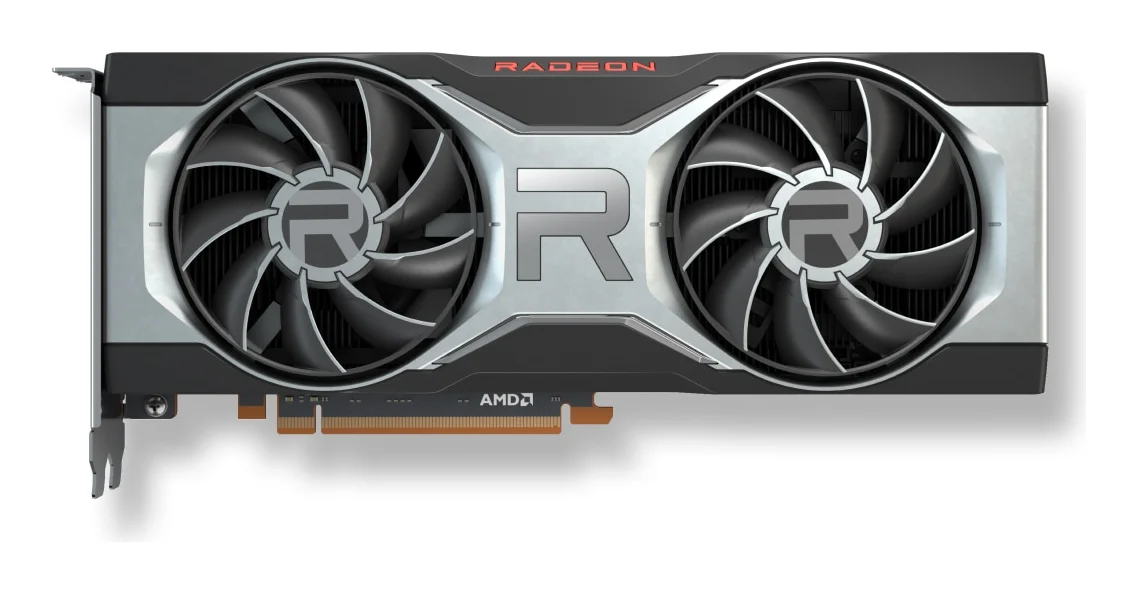
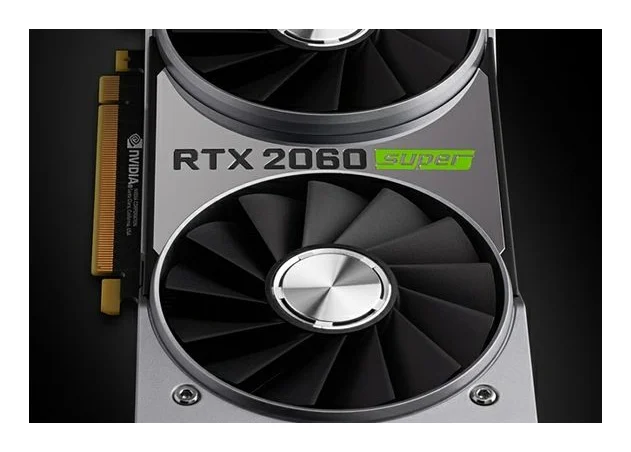
Its closest rivals on InnoReviews are Intel Arc A770, AMD Radeon RX 6700 XT, NVIDIA GeForce RTX 2060 Super — open the comparison pages for a spec-by-spec breakdown.