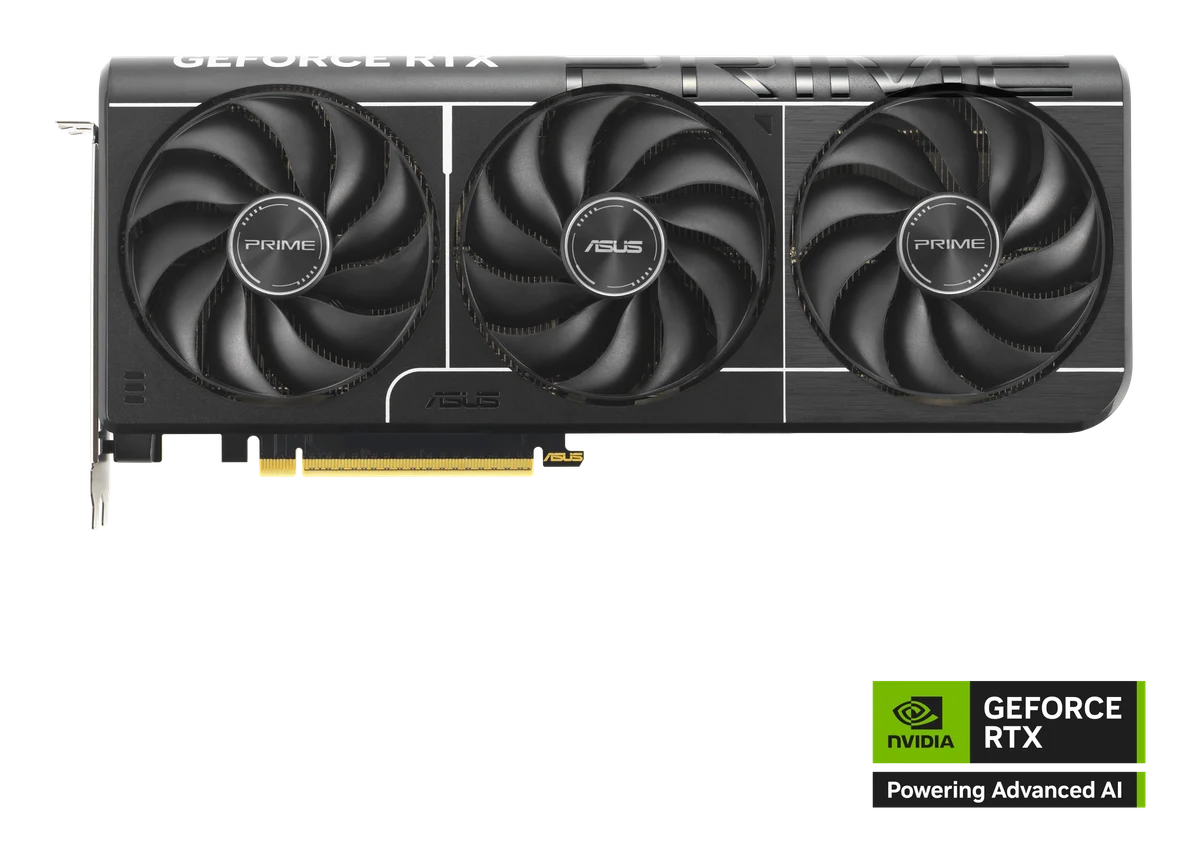
 ZoomPhoto 1 of 1
NVIDIA
NVIDIA GeForce RTX 5070 Ti
- 3DMark Time Spy
- 27,858Top 9%
- VRAM
- 16 GB
- Boost clock
- 2,452 MHz
- TDP
- 300 W
Laptop version: NVIDIA GeForce RTX 5070 Ti Laptop GPU · compare →
Previous model: NVIDIA GeForce RTX 4070 Ti (2023) · compare →
The sweet-spot Blackwell card: 16GB of GDDR7 and near-RTX 4080 performance for $749 make it the best high-end value of the 50-series — when it sells near MSRP.
Compare with
Closest equivalents from other brands (by rasterization score):
Pros
- RTX 4080-class performance for $749
- 16GB GDDR7 with 896GB/s bandwidth
- Efficient 300W board power
- Full DLSS 4 feature set
- Excellent 1440p and capable 4K card
Cons
- Street prices often well above MSRP
- No Founders Edition, AIB cards only
- Small gain over RTX 4070 Ti Super
NVIDIA GeForce RTX 5070 Ti benchmarks
Published results for the NVIDIA GeForce RTX 5070 Ti, next to its closest rivals and its predecessor
3DMark Time Spy
- NVIDIA GeForce RTX 5080 vs 33,034
- AMD Radeon RX 9070 XT vs 29,519
- NVIDIA GeForce RTX 4080 Super vs 28,270
- NVIDIA GeForce RTX 5070 Ti27,858 Top 9%
- AMD Radeon RX 9070 vs 26,650
- NVIDIA GeForce RTX 4070 Ti vs 22,743
- NVIDIA GeForce RTX 5070 vs 22,721
Published 3DMark results (Wild Life Extreme for chips, the Time Spy Graphics score for graphics cards): review runs where we found them, otherwise typical published figures.
1440p Ultra
- NVIDIA GeForce RTX 5080150
- NVIDIA GeForce RTX 4080 Super139.6
- NVIDIA GeForce RTX 5070 Ti134.1 Top 18%
- AMD Radeon RX 9070 XT124.5
- AMD Radeon RX 9070115.1
- NVIDIA GeForce RTX 4070 Ti110.3
- NVIDIA GeForce RTX 5070109.7
Average frame rate at 1440p with Ultra settings across a published game test suite.
PassMark G3D
- NVIDIA GeForce RTX 508035,628
- NVIDIA GeForce RTX 4080 Super34,210
- NVIDIA GeForce RTX 5070 Ti32,328 Top 7%
- NVIDIA GeForce RTX 4070 Ti31,507
- NVIDIA GeForce RTX 507028,667
- AMD Radeon RX 9070 XT26,925
- AMD Radeon RX 907025,402
PassMark's published G3D Mark for the graphics card.
NVIDIA GeForce RTX 5070 Ti vs NVIDIA GeForce RTX 4070 Ti: what changed
The biggest differences from the NVIDIA GeForce RTX 4070 Ti, the previous generation, in our spec and benchmark data.
| Spec | NVIDIA GeForce RTX 4070 Ti | NVIDIA GeForce RTX 5070 Ti |
|---|---|---|
| 3DMark Speed Way | 5,532 | 7,879 |
| 4K Ultra | 63 fps | 80 fps |
| 3DMark Time Spy | 22,743 | 27,858 |
| 1440p Ultra | 110 fps | 134 fps |
| PassMark G3D | 31,507 | 32,328 |
| Bandwidth | 504 GB/s | 896 GB/s |
Full comparison: NVIDIA GeForce RTX 5070 Ti vs NVIDIA GeForce RTX 4070 Ti →
NVIDIA GeForce RTX 5070 Ti specs
Everything we track for the NVIDIA GeForce RTX 5070 Ti
General
- Announced
- 2025
- Architecture
- Blackwell
- Process
- 5 nm
- TDP
- 300 W
- Power connector
- 1x 16-pin
Cores & Clocks
- Shading units
- 8,960
- RT cores
- 70
- Tensor / AI cores
- 280
- Base clock
- 2,295 MHz
- Boost clock
- 2,452 MHz
Memory
- VRAM
- 16 GB
- VRAM type
- GDDR7
- Bus width
- 256 bit
- Bandwidth
- 896 GB/s
Benchmarks
- 3DMark Time Spy
- 27,858Top 9%#11 of 124
- 3DMark Speed Way
- 7,879Top 8%
- PassMark G3D
- 32,328Top 7%
- 1080p Ultra
- 173 fpsTop 18%
- 1440p Ultra
- 134 fpsTop 18%
- 4K Ultra
- 80 fpsTop 18%
Features
- Upscaling
- DLSS 4
Page last updated Oct 11, 2026.
NVIDIA GeForce RTX 5070 Ti FAQ
Is the NVIDIA GeForce RTX 5070 Ti good in 2026?
The NVIDIA GeForce RTX 5070 Ti earns an Inno Score of 63.5/100 (“Good”), #8 of 124 graphics cards. The sweet-spot Blackwell card: 16GB of GDDR7 and near-RTX 4080 performance for $749 make it the best high-end value of the 50-series — when it sells near MSRP.
What are the key specs of the NVIDIA GeForce RTX 5070 Ti?
VRAM: 16 GB · Boost clock: 2,452 MHz · TDP: 300 W · 3DMark Time Spy: 27,858
What are the closest alternatives to the NVIDIA GeForce RTX 5070 Ti?
Its closest rivals on InnoReviews are NVIDIA GeForce RTX 4070 Ti, NVIDIA GeForce RTX 5070, NVIDIA GeForce RTX 4080 Super — open the comparison pages for a spec-by-spec breakdown.
Use this on your site or forum
Copy a ready-made link. Scores on this page update as new results are published, so the link always leads to the current figures.