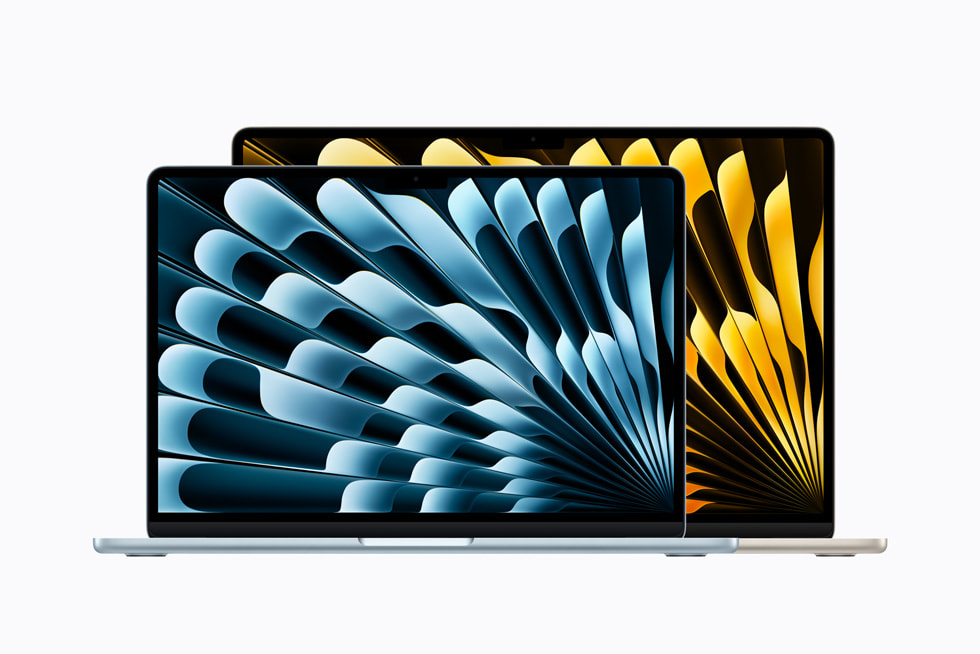
 ZoomPhoto 1 of 1
Apple
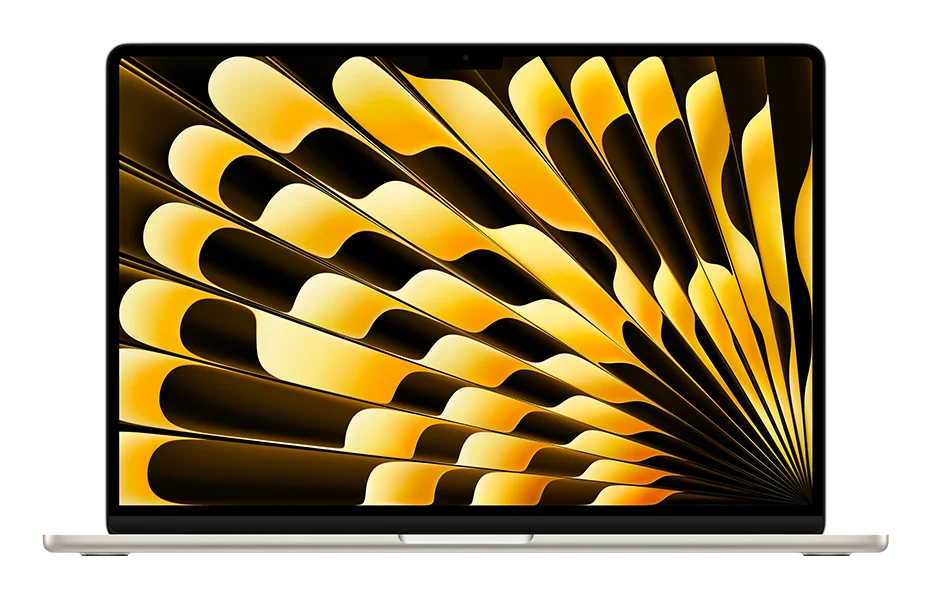
Apple MacBook Air 15 (M4)
The big-screen Air adds screen real estate without a weight penalty: the same silent M4 speed and 15-hour stamina as the 13-inch, plus a roomier six-speaker soundstage, for just $200 more.
Pros
- Spacious 15.3-inch display
- Fanless and completely silent
- 15-hour battery life
- 16GB RAM standard
- Great six-speaker sound system
Cons
- 60Hz display with no HDR
- 256GB base storage fills fast
- 10-core GPU is only modest for gaming
Average
Computed from specs & benchmarks via our public methodology.
Full specifications
Everything we track for the Apple MacBook Air 15 (M4)
Display
- Screen size
- 15.3 ″
- Panel type
- IPS (Liquid Retina)
- Resolution
- 2880x1864
- Refresh rate
- 60 Hz
- Peak brightness
- 500 nits
Performance
- Processor
- Apple M4 (10-core)
- Graphics
- Apple M4 10-core GPU
- RAM
- 16 GB
- RAM type
- LPDDR5X (unified)
- Storage
- 256 GB
- Storage type
- NVMe SSD
Benchmarks
- Geekbench 6 (single)
- 3,655Top 8%
- Geekbench 6 (multi)
- 14,901Top 39%
Battery
- Capacity
- 67 Wh
- Web browsing endurance
- 15 h
- Charging
- 70 W
Design
- Weight
- 1.51 kg
- Thickness
- 11.5 mm
- Material
- Aluminum
Connectivity
- Ports
- 2x Thunderbolt 4, MagSafe 3, 3.5mm
- Wi-Fi
- Wi-Fi 6E
- Bluetooth
- 5.3
- Webcam
- 12MP Center Stage
- Biometrics
- Touch ID
Software
- Operating system
- macOS Sequoia
Quick answers
Is the Apple MacBook Air 15 (M4) good in 2026?
The Apple MacBook Air 15 (M4) earns an Inno Score of 56.9/100 (“Average”) based on its specs and benchmark results. The big-screen Air adds screen real estate without a weight penalty: the same silent M4 speed and 15-hour stamina as the 13-inch, plus a roomier six-speaker soundstage, for just $200 more.
What are the key specs of the Apple MacBook Air 15 (M4)?
Processor: Apple M4 (10-core) · RAM: 16 GB · Screen size: 15.3 ″ · Weight: 1.51 kg
What are the closest alternatives to the Apple MacBook Air 15 (M4)?
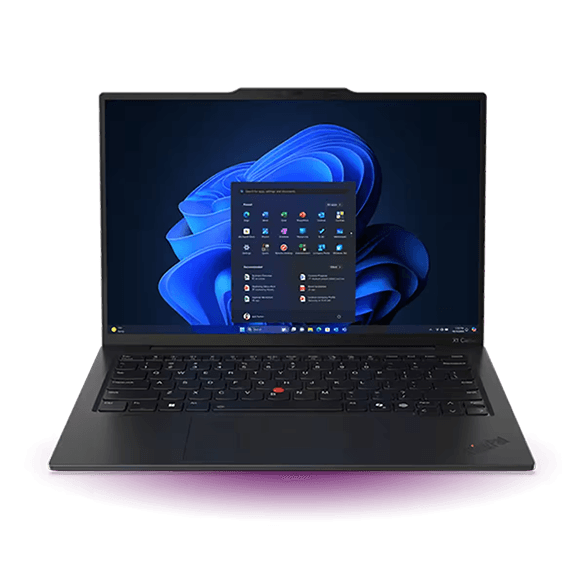
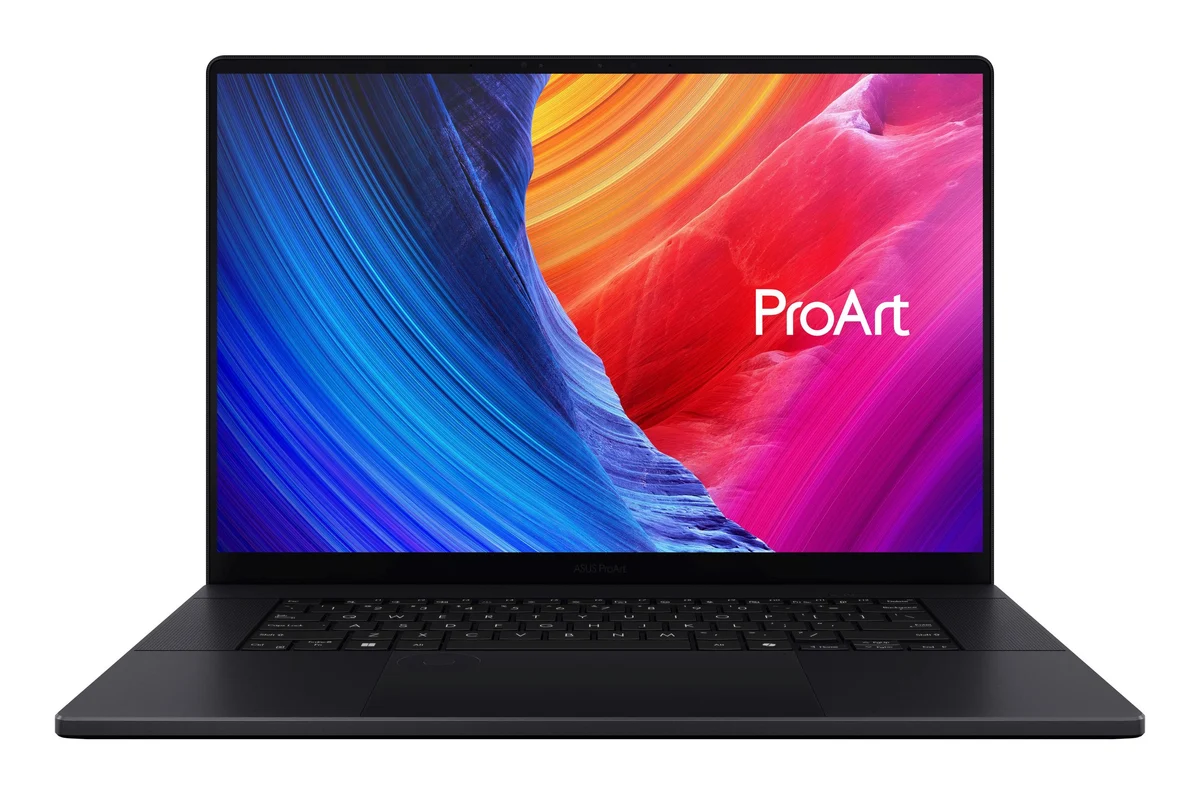
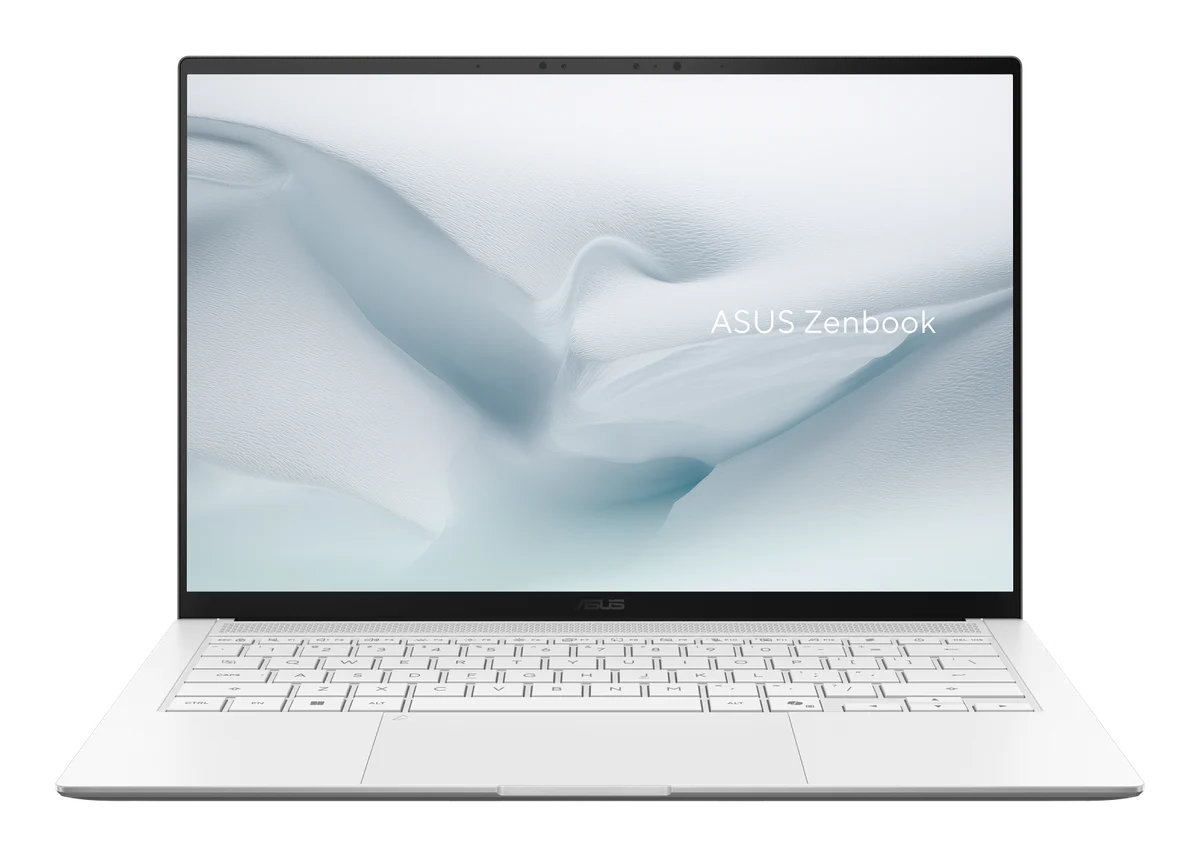
Its closest rivals on InnoReviews are Apple MacBook Air 15 (M5), Lenovo ThinkPad X1 Carbon Gen 13, ASUS ProArt P16 (H7606, 2024) — open the comparison pages for a spec-by-spec breakdown.