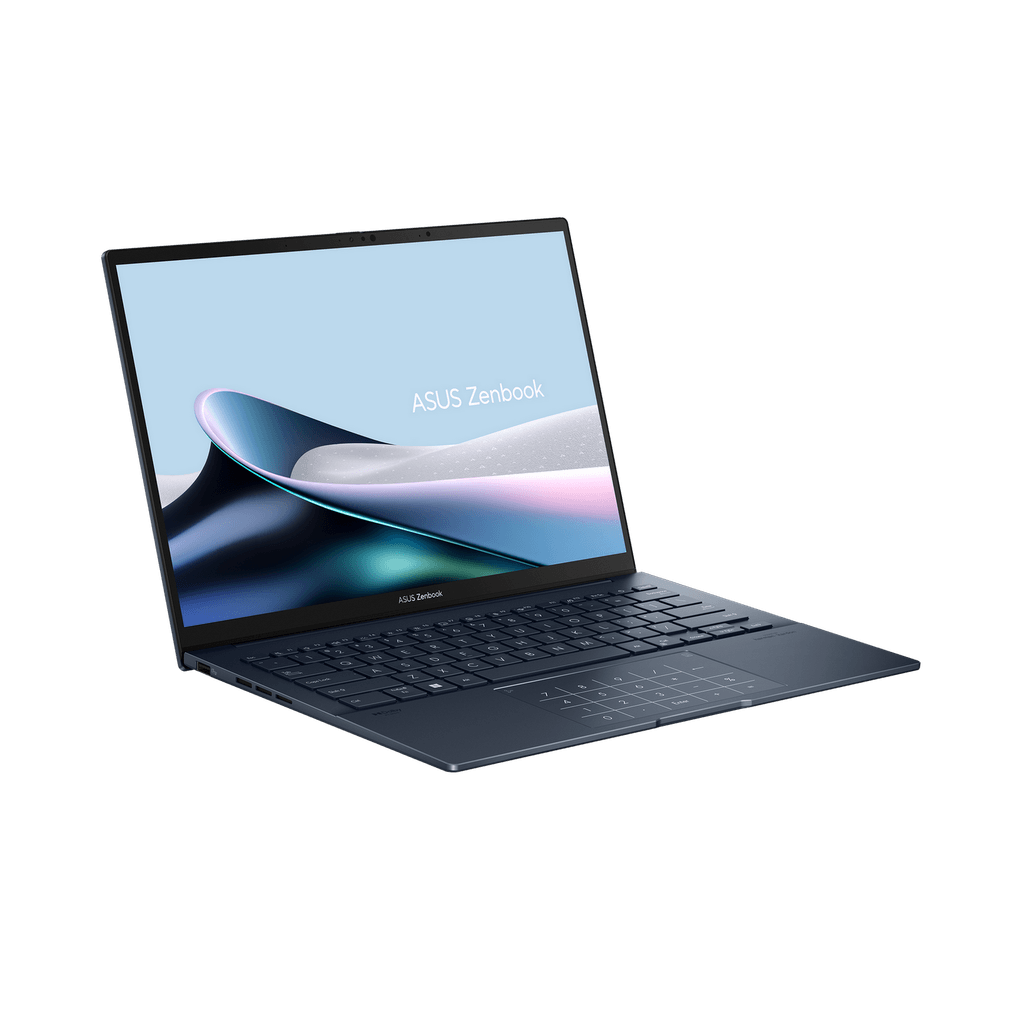
 1 / 2Photo 1 of 2
ASUS
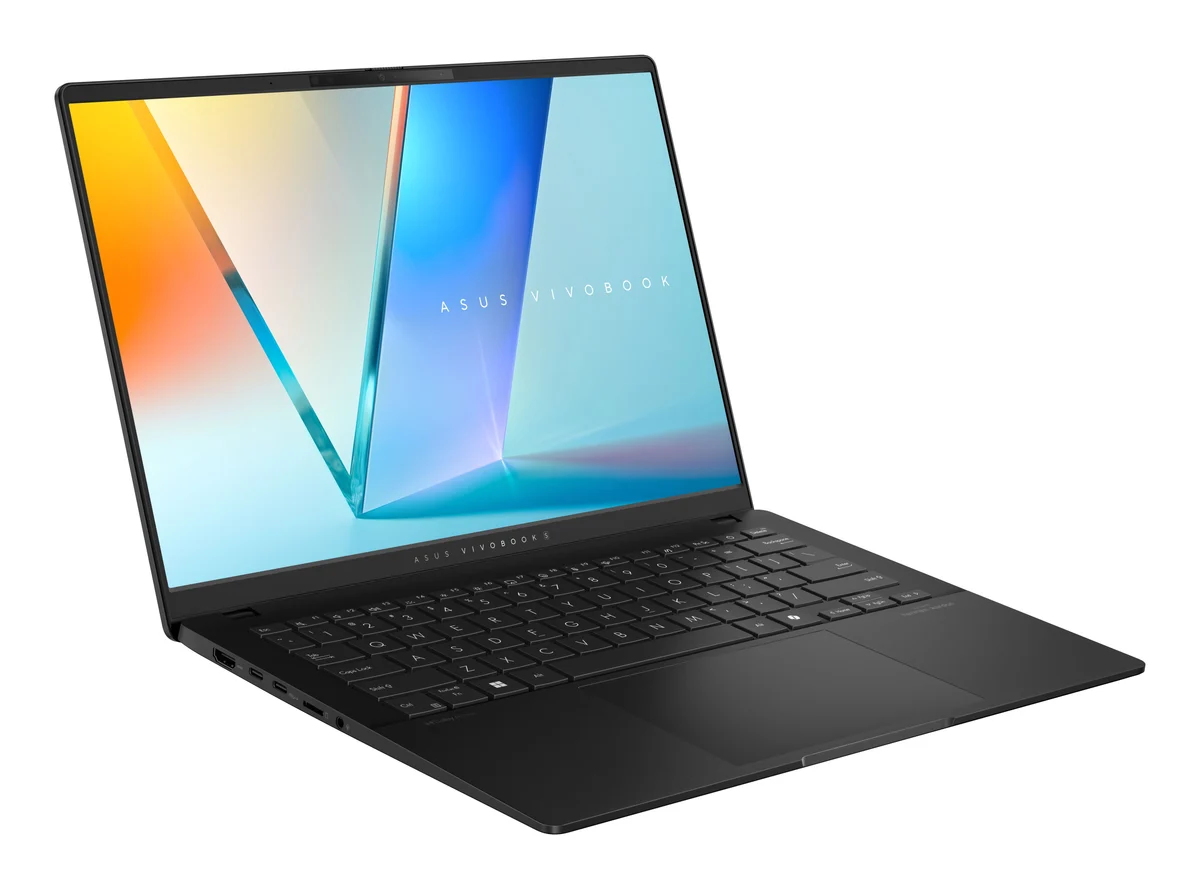
ASUS Zenbook 14 OLED (UX3405)
A 75Wh battery in a 1.2kg chassis makes this the endurance pick among OLED ultrabooks, and the 120Hz Lumina panel and full port selection embarrass laptops costing hundreds more.
Pros
- Gorgeous 3K 120Hz OLED
- Big 75Wh battery for the size
- Light yet solidly built
- Full port selection including HDMI
- Strong value
Cons
- Meteor Lake efficiency trails Lunar Lake and Apple
- Soldered RAM
- Middling webcam
Average
Computed from specs & benchmarks via our public methodology.
Full specifications
Everything we track for the ASUS Zenbook 14 OLED (UX3405)
Display
- Screen size
- 14 ″
- Panel type
- OLED (Lumina)
- Resolution
- 2880x1800
- Refresh rate
- 120 Hz
- Peak brightness
- 600 nits
Performance
- Processor
- Intel Core Ultra 7 155H
- Graphics
- Intel Arc Graphics
- RAM
- 16 GB
- RAM type
- LPDDR5X-7467 (soldered)
- Storage
- 1,024 GB
- Storage type
- PCIe 4.0 NVMe SSD
Benchmarks
- Geekbench 6 (single)
- 2,340Bottom 10%
- Geekbench 6 (multi)
- 12,600Bottom 39%
Battery
- Capacity
- 75 Wh
- Web browsing endurance
- 13 h
- Charging
- 65 W
Design
- Weight
- 1.22 kg
- Thickness
- 14.9 mm
- Material
- Aluminum
Connectivity
- Ports
- 2x Thunderbolt 4, USB-A 3.2, HDMI 2.1, 3.5mm
- Wi-Fi
- Wi-Fi 6E
- Bluetooth
- 5.3
- Webcam
- 1080p + IR
- Biometrics
- IR face (Windows Hello)
Software
- Operating system
- Windows 11
Quick answers
Is the ASUS Zenbook 14 OLED (UX3405) good in 2026?
The ASUS Zenbook 14 OLED (UX3405) earns an Inno Score of 54.9/100 (“Average”) based on its specs and benchmark results. A 75Wh battery in a 1.2kg chassis makes this the endurance pick among OLED ultrabooks, and the 120Hz Lumina panel and full port selection embarrass laptops costing hundreds more.
What are the key specs of the ASUS Zenbook 14 OLED (UX3405)?
Processor: Intel Core Ultra 7 155H · RAM: 16 GB · Screen size: 14 ″ · Weight: 1.22 kg
What are the closest alternatives to the ASUS Zenbook 14 OLED (UX3405)?
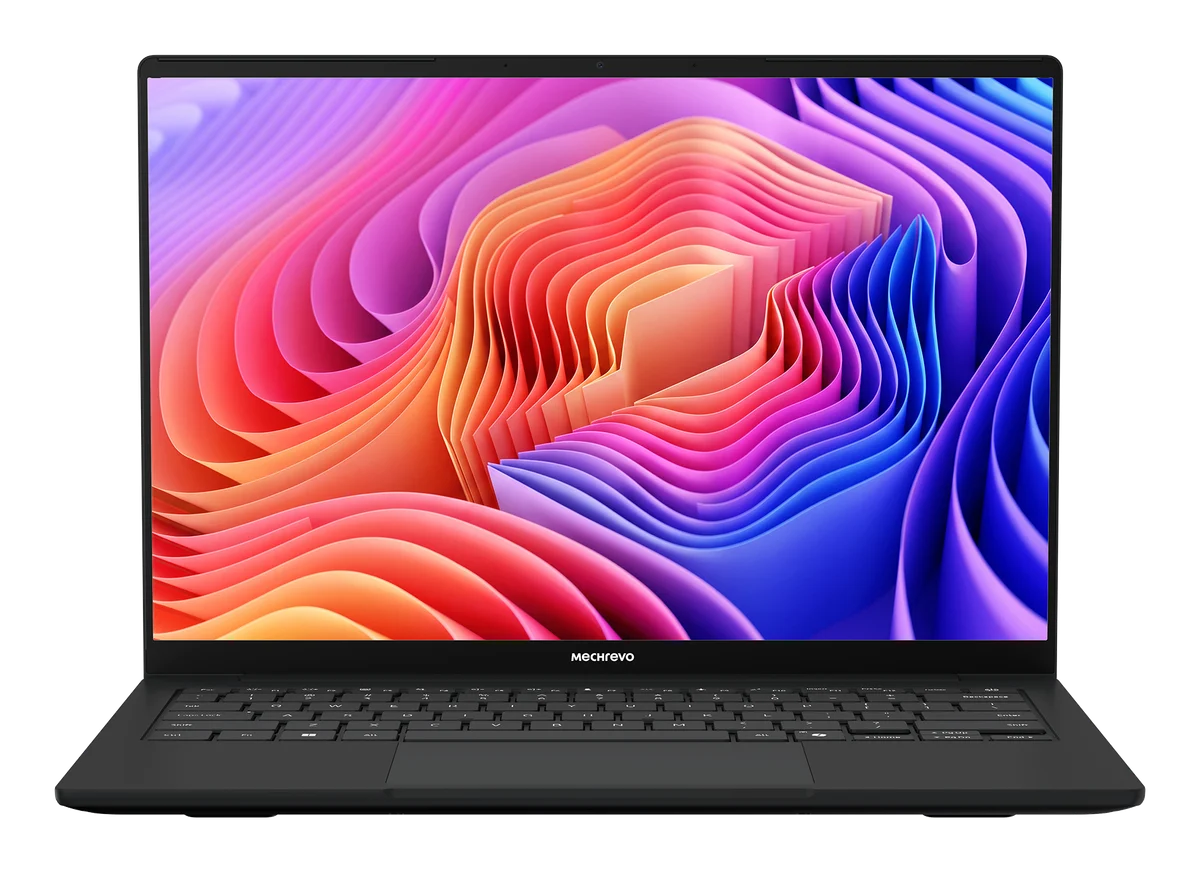
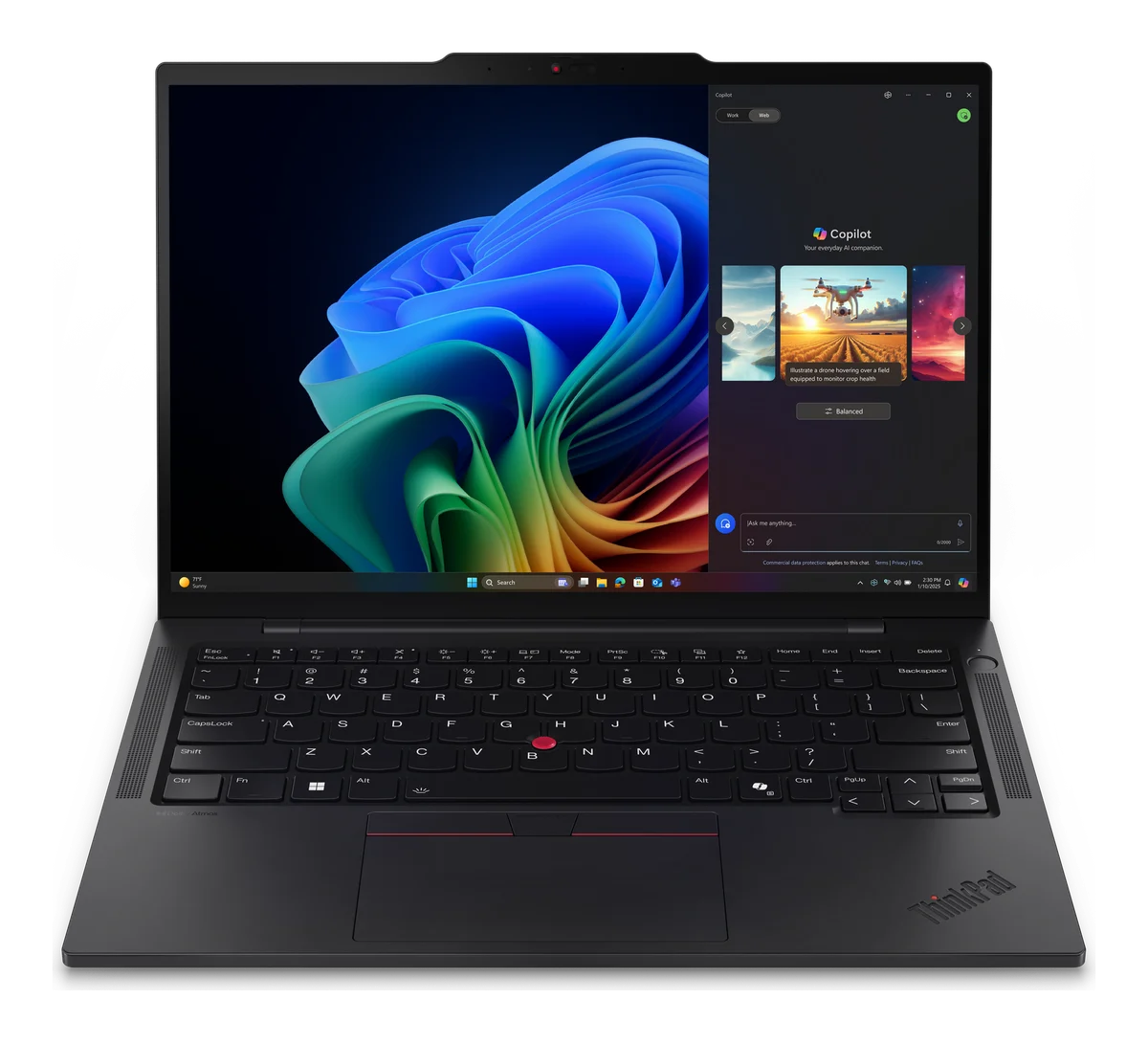
Its closest rivals on InnoReviews are ASUS Vivobook S14 (M5406KA), MECHREVO Wujie 14 Max Carbon, Lenovo ThinkPad T14s Gen 6 (Intel) — open the comparison pages for a spec-by-spec breakdown.