 ZoomPhoto 1 of 1
Huawei
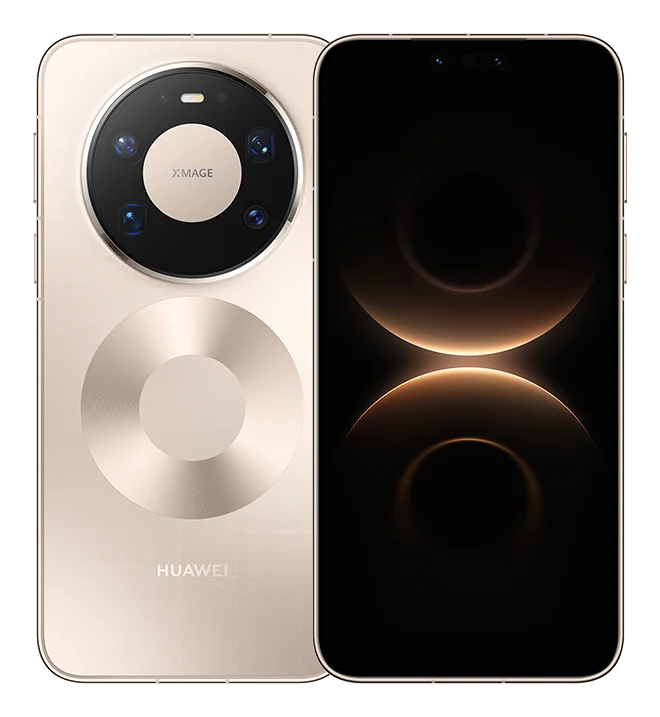
Huawei Mate 80 Pro Max
- Chipset
- Kirin 9030 Pro
- Screen size
- 6.9 ″
- Capacity
- 6,000 mAh
- Main camera
- 50 MP
Newer model: Huawei Mate 90 Pro Max (2026) · compare →
The Mate 80 Pro Max pairs Huawei's Kirin 9030 Pro with a 6.9-inch dual-layer OLED rated to 8000 nits, a quad rear camera with two periscope telephotos up to 6.2x, and a 6000mAh battery with 100W wired and 80W wireless charging on HarmonyOS 6.0.
Pros
- Quad rear camera with two periscope telephotos (4x and 6.2x, both 50MP with OIS)
- 6.9-inch dual-layer OLED panel rated to 8000 nits peak brightness
- 6000mAh battery with 100W wired and 80W wireless HUAWEI SuperCharge
- IP68/IP69-rated aluminum-and-glass build with second-generation Kunlun Glass
Cons
- No eSIM support, only dual physical nano-SIM
- Runs HarmonyOS 6.0, which does not support Android apps or Google Mobile Services
- No 3.5mm headphone jack
- Not officially sold outside China at launch
Performance uses the published results of the Huawei Kirin 9030 Pro, because we have no benchmark result for this device itself yet.
Huawei Mate 80 Pro Max benchmarks
We have no benchmark result for the Huawei Mate 80 Pro Max itself yet, so its bars show the published results of its chip, the Huawei Kirin 9030 Pro, tagged as the chip's
Geekbench 6 (single)
- Samsung Galaxy S26+ vs 3,393
- OnePlus Ace 6 chip result · via Qualcomm Snapdragon 8 Elite vs 3,086
- Samsung Galaxy S24 chip result · via Qualcomm Snapdragon 8 Gen 3 vs 2,193
- iQOO Neo 10 vs 2,153
- Huawei Mate 80 Pro Max chip result · via Huawei Kirin 9030 Pro1,558
Published results: review runs where we found them, otherwise typical published figures. A chip's figure is normally the median of review runs on devices with that chip.
Geekbench 6 (multi)
- Samsung Galaxy S26+11,515
- OnePlus Ace 6 chip result · via Qualcomm Snapdragon 8 Elite9,246
- iQOO Neo 107,056
- Samsung Galaxy S24 chip result · via Qualcomm Snapdragon 8 Gen 36,736
- Huawei Mate 80 Pro Max chip result · via Huawei Kirin 9030 Pro5,869
Published results: review runs where we found them, otherwise typical published figures. A chip's figure is normally the median of review runs on devices with that chip.
Huawei Mate 80 Pro Max specs
Everything we track for the Huawei Mate 80 Pro Max
Display
- Screen size
- 6.9 ″
- Panel type
- Dual-layer LTPO OLED
- Resolution
- 2848x1320
- Pixel density
- 455 ppi
- Refresh rate
- 120 Hz
- Peak brightness
- 8,000 nits
Performance
- Chipset
- Kirin 9030 Pro
- RAM (max)
- 16 GB
- Storage options
- 512GB / 1TB
Camera
- Main camera
- 50 MP
- Main aperture
- f/1.4-4.0
- Ultra-wide
- 40 MP
- Telephoto
- 50 MP
- Optical zoom
- 6.2 x
- Max video
- 4K@60fps
- Front camera
- 13 MP
- OIS
- Yes
Battery
- Capacity
- 6,000 mAhBattery capacity by year and maker
- Wired charging
- 100 W
- Wireless charging
- 80 W
Design
- Weight
- 239 g
- Thickness
- 8.3 mm
- IP rating
- IP68/IP69
- Frame material
- Aluminum
Connectivity
- 5G
- Yes
- Wi-Fi
- Wi-Fi 7
- Bluetooth
- 6.0
- NFC
- Yes
- USB
- USB-C 3.1
- eSIM
- No
Software
- OS at launch
- HarmonyOS 6.0
Audio
- Stereo speakers
- Yes
- 3.5mm jack
- No
Page last updated Nov 22, 2026.
Huawei Mate 80 Pro Max FAQ
Is the Huawei Mate 80 Pro Max good in 2026?
The Huawei Mate 80 Pro Max earns an Inno Score of 69.3/100 (“Good”), #151 of 1,392 phones. Its successor, the Huawei Mate 90 Pro Max, came out in 2026. The Mate 80 Pro Max pairs Huawei's Kirin 9030 Pro with a 6.9-inch dual-layer OLED rated to 8000 nits, a quad rear camera with two periscope telephotos up to 6.2x, and a 6000mAh battery with 100W wired and 80W wireless charging on HarmonyOS 6.0.
What are the key specs of the Huawei Mate 80 Pro Max?
Chipset: Kirin 9030 Pro · Screen size: 6.9 ″ · Capacity: 6,000 mAh · Main camera: 50 MP
What are the closest alternatives to the Huawei Mate 80 Pro Max?
Its closest rivals on InnoReviews are Huawei Mate 90 Pro Max, Huawei Mate 80 Pro, OnePlus Ace 6 — open the comparison pages for a spec-by-spec breakdown.
Use this on your site or forum
Copy a ready-made link. Scores on this page update as new results are published, so the link always leads to the current figures.