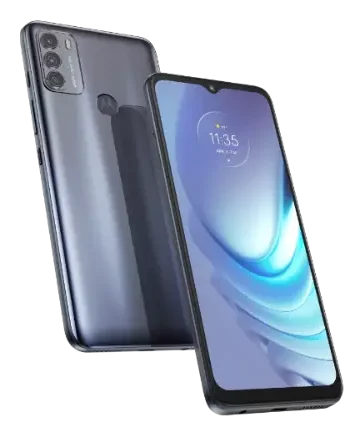
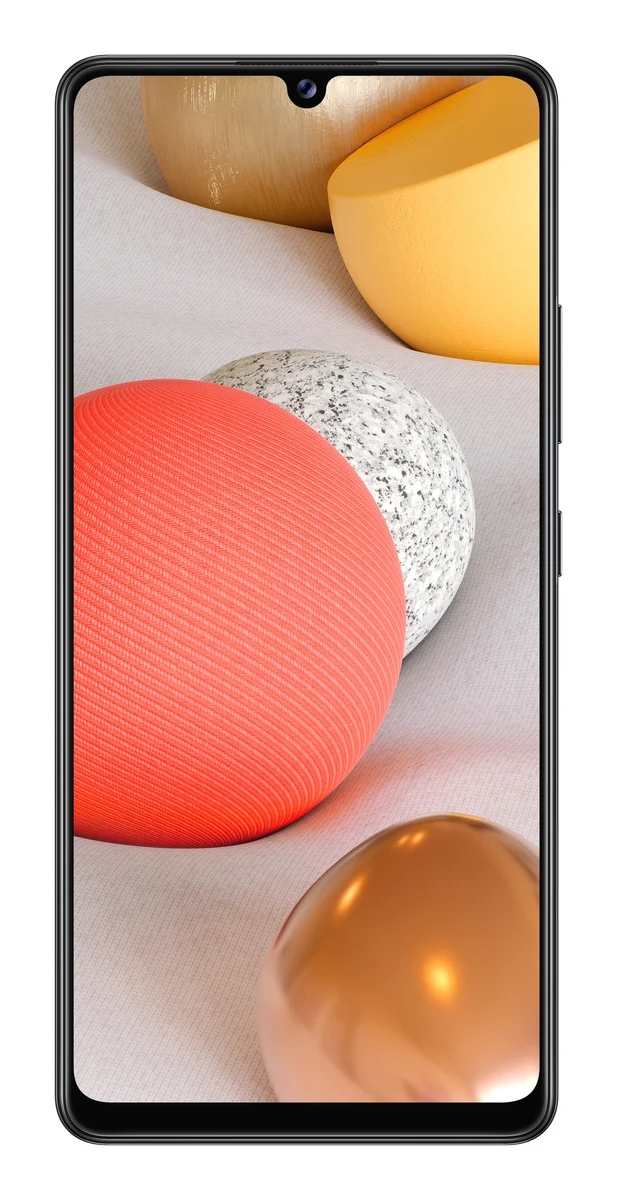
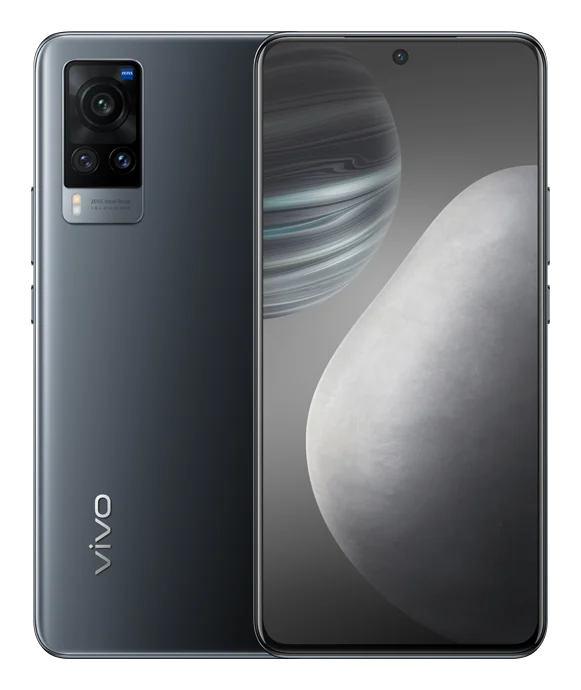
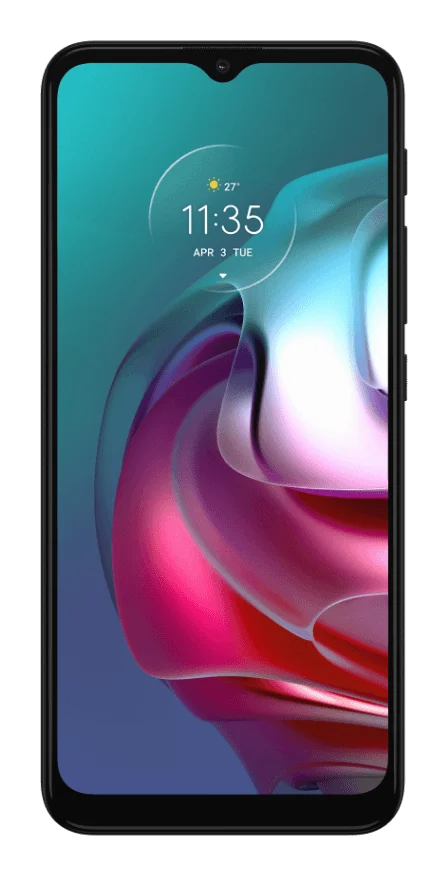
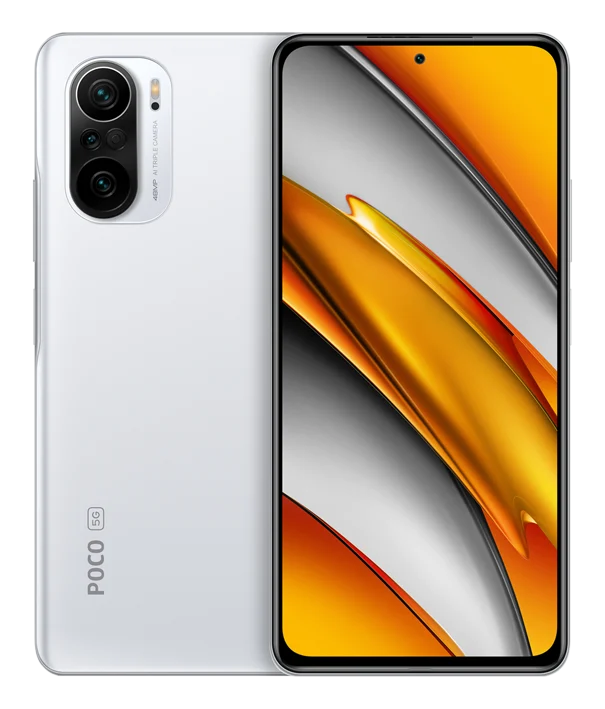
 ZoomPhoto 1 of 1
POCO
POCO F3
Also sold as Redmi K40
- AnTuTu 11
- 998,482Bottom 25%
- Chipset
- Snapdragon 870
- Screen size
- 6.67 ″
- Capacity
- 4,520 mAh
Newer model: POCO F4 (2022) · compare →
The flagship-killer template of 2021: Snapdragon 870, a 120Hz AMOLED and stereo speakers for $349. Its AnTuTu row still stands in AnTuTu's own device table - a phone people benchmarked for years.
Pros
- Snapdragon 870 punched far above the price
- Bright 120Hz E4 AMOLED
- Stereo speakers
- Slim for its battery size
Cons
- No OIS anywhere
- Camera is the corner cut
- No jack, no microSD, no charger drama
Below average
#894 of 1,392 phones#53 of 128 phones under $400Computed from specs & benchmarks via our public methodology.
Performance partly uses the published results of the Qualcomm Snapdragon 870: we have no Geekbench 6 result for this device itself yet, so the chip's stands in next to the device's own results.
POCO F3 benchmarks
Published results for the POCO F3, next to its closest rivals; where we have no result for the POCO F3 itself, its bar shows the published result of its chip, the Qualcomm Snapdragon 870, tagged as the chip's
AnTuTu 11
- POCO F3998,482 Bottom 25%
- Huawei Mate 40 Pro vs 878,884
Each total is one row of AnTuTu's V11 device ranking (July 2026 edition); a chip's total is the row of one mainstream device with it. What's a good AnTuTu score?
Geekbench 6 (single)
- POCO F3 chip result · via Qualcomm Snapdragon 8701,299
- moto g 5G chip result · via Qualcomm Snapdragon 750G vs 830
Published results: review runs where we found them, otherwise typical published figures. A chip's figure is normally the median of review runs on devices with that chip.
Geekbench 6 (multi)
- POCO F3 chip result · via Qualcomm Snapdragon 8703,357
- moto g 5G chip result · via Qualcomm Snapdragon 750G2,050
- Samsung Galaxy A32 (4G)1,320
Published results: review runs where we found them, otherwise typical published figures. A chip's figure is normally the median of review runs on devices with that chip.
POCO F3 specs
Everything we track for the POCO F3
Display
- Screen size
- 6.67 ″
- Panel type
- AMOLED
- Resolution
- 2400x1080
- Pixel density
- 395 ppi
- Refresh rate
- 120 Hz
- Peak brightness
- 1,300 nits
Performance
- Chipset
- Snapdragon 870
- AnTuTu 11
- 998,482Bottom 25%#179 of 236
- AnTuTu 11 (CPU)
- 383,320Bottom 31%
- AnTuTu 11 (GPU)
- 171,238Bottom 25%
- AnTuTu 11 (Memory)
- 174,022Bottom 28%
- AnTuTu 11 (UX)
- 269,902Bottom 20%
- AnTuTu 12
- 1,111,382Bottom 23%#94 of 120
- RAM (max)
- 8 GB
- Storage options
- 128GB / 256GB
- Storage type
- UFS 3.1
Camera
- Main camera
- 48 MP
- Main aperture
- f/1.8
- Ultra-wide
- 8 MP
- Max video
- 4K@30fps
- Front camera
- 20 MP
- OIS
- No
Battery
- Capacity
- 4,520 mAhBattery capacity by year and maker
- Wired charging
- 33 W
Design
- Weight
- 196 g
- Thickness
- 7.8 mm
- IP rating
- IP53
- Frame material
- Plastic
Connectivity
- 5G
- Yes
- Wi-Fi
- Wi-Fi 6
- Bluetooth
- 5.1
- NFC
- Yes
- USB
- USB-C 2.0
- eSIM
- No
Software
- OS at launch
- Android 11 (MIUI 12)
- OS update pledge
- 3 years
Audio
- Stereo speakers
- Yes
- 3.5mm jack
- No
Page last updated Nov 24, 2026.
POCO F3 FAQ
Is the POCO F3 good in 2026?
The POCO F3 earns an Inno Score of 41.9/100 (“Below average”), #894 of 1,392 phones. Its successor, the POCO F4, came out in 2022 and scores 47.5. The flagship-killer template of 2021: Snapdragon 870, a 120Hz AMOLED and stereo speakers for $349. Its AnTuTu row still stands in AnTuTu's own device table - a phone people benchmarked for years.
What is the POCO F3 AnTuTu score?
The POCO F3 scores 998,482 points in AnTuTu 11 (CPU 383,320, GPU 171,238, Memory 174,022, UX 269,902).
What are the key specs of the POCO F3?
Chipset: Snapdragon 870 · Screen size: 6.67 ″ · Capacity: 4,520 mAh · Main camera: 48 MP
What are the closest alternatives to the POCO F3?
Its closest rivals on InnoReviews are POCO F4, Samsung Galaxy A52, Samsung Galaxy A32 (4G) — open the comparison pages for a spec-by-spec breakdown.
Use this on your site or forum
Copy a ready-made link. Scores on this page update as new results are published, so the link always leads to the current figures.