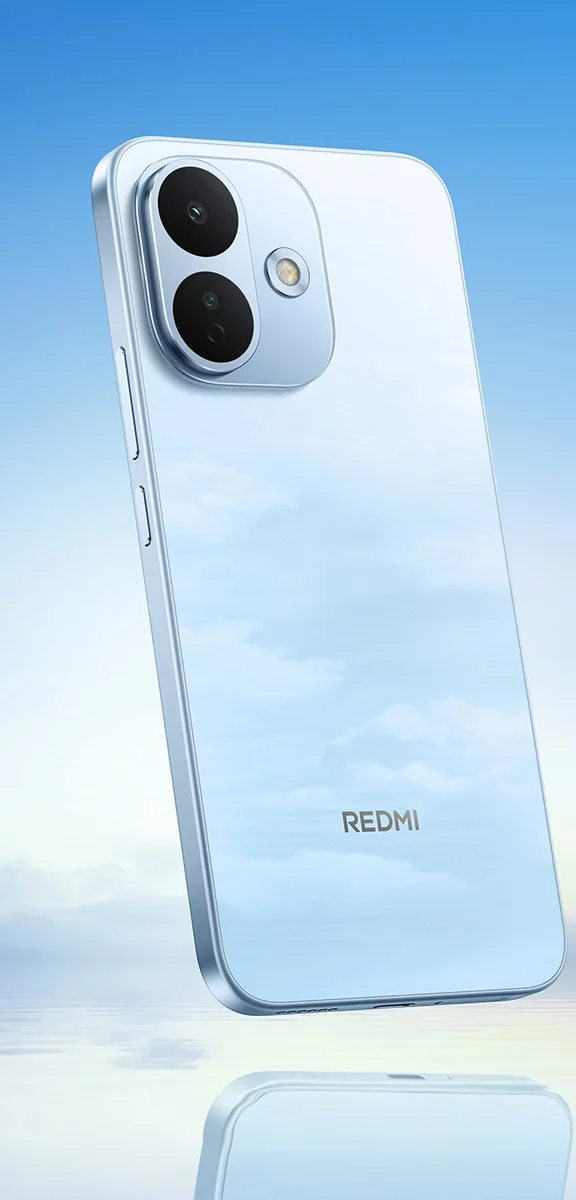
 ZoomPhoto 1 of 1
Redmi
REDMI Note 17 Pro 5G
- Chipset
- Snapdragon 6s Gen 4
- Screen size
- 6.83 ″
- Capacity
- 8,340 mAh
- Main camera
- 50 MP
Previous model: REDMI Note 15 Pro 5G (2025) · compare →
The globally launched REDMI Note 17 Pro 5G runs on a Snapdragon 6s Gen 4 chipset with an 8340mAh battery (9000mAh in some markets) and 67W wired charging, behind a 6.83-inch 1.5K 120Hz AMOLED display rated to 3500 nits, and shares its base model code with the China-only Redmi Note 17 Pro.
Compare with
Same generation:
Pros
- 8340mAh battery (9000mAh in some markets) with 67W wired charging
- 6.83-inch AMOLED display at 120Hz with 3500 nits peak brightness and Gorilla Glass Victus 2 protection
- IP68/IP69K dust and water resistance
- 50MP main camera with OIS plus an 8MP ultrawide
- Stereo speakers with Dolby Atmos and Hi-Res Audio support
Cons
- No telephoto lens, and the 8MP ultrawide is a modest secondary sensor
- Snapdragon 6s Gen 4 is a modest midrange chipset built on Cortex-A78/A55 cores
- Plastic frame and back rather than metal or glass
- No 3.5mm headphone jack
Average
#442 of 1,392 phones#8 of 128 phones under $400Computed from specs & benchmarks via our public methodology.
Performance uses the published results of the Qualcomm Snapdragon 6s Gen 4, because we have no benchmark result for this device itself yet.
REDMI Note 17 Pro 5G benchmarks
We have no benchmark result for the REDMI Note 17 Pro 5G itself yet, so its bars show the published results of its chip, the Qualcomm Snapdragon 6s Gen 4, tagged as the chip's
AnTuTu 12
- POCO X8 Pro vs 2,092,143
- Infinix Note 60 Pro vs 1,084,648
- REDMI Note 17 Pro 5G chip result · via Qualcomm Snapdragon 6s Gen 4859,555
- Motorola Moto G Stylus (2026) chip result · via Qualcomm Snapdragon 6 Gen 3 vs 857,943
AnTuTu 12 totals from AnTuTu's V12 ranking (September 2026 edition); a chip's total is the median of its devices' rows. What's a good AnTuTu score?
Geekbench 6 (single)
- Google Pixel 10a chip result · via Google Tensor G4 vs 1,848
- POCO X8 Pro chip result · via MediaTek Dimensity 85001,519
- Infinix Note 60 Pro chip result · via Qualcomm Snapdragon 7s Gen 41,241
- REDMI Note 15 Pro 5G vs 1,050
- REDMI Note 17 Pro 5G chip result · via Qualcomm Snapdragon 6s Gen 41,014
- Motorola Moto G Stylus (2026)1,011
- Redmi Note 17 5G chip result · via Qualcomm Snapdragon 4 Gen 4 vs 897
Published results: review runs where we found them, otherwise typical published figures. A chip's figure is normally the median of review runs on devices with that chip.
Geekbench 6 (multi)
- POCO X8 Pro chip result · via MediaTek Dimensity 85006,308
- Google Pixel 10a chip result · via Google Tensor G44,560
- Infinix Note 60 Pro chip result · via Qualcomm Snapdragon 7s Gen 43,262
- Motorola Moto G Stylus (2026)3,042
- REDMI Note 15 Pro 5G2,939
- REDMI Note 17 Pro 5G chip result · via Qualcomm Snapdragon 6s Gen 42,930
- Redmi Note 17 5G chip result · via Qualcomm Snapdragon 4 Gen 42,117
Published results: review runs where we found them, otherwise typical published figures. A chip's figure is normally the median of review runs on devices with that chip.
REDMI Note 17 Pro 5G vs REDMI Note 15 Pro 5G: what changed
The biggest differences from the REDMI Note 15 Pro 5G, the previous generation, in our spec and benchmark data.
| Spec | REDMI Note 15 Pro 5G | REDMI Note 17 Pro 5G |
|---|---|---|
| Main camera | 200 MP | 50 MP |
| Wired charging | 45 W | 67 W |
| Capacity | 6,580 mAh | 8,340 mAh |
| Front camera | 20 MP | 16 MP |
| Peak brightness | 3,200 nits | 3,500 nits |
| Thickness | 8 mm | 8.6 mm |
Full comparison: REDMI Note 17 Pro 5G vs REDMI Note 15 Pro 5G →
REDMI Note 17 Pro 5G specs
Everything we track for the REDMI Note 17 Pro 5G
Display
- Screen size
- 6.83 ″
- Panel type
- AMOLED
- Resolution
- 1280x2772
- Pixel density
- 447 ppi
- Refresh rate
- 120 Hz
- Peak brightness
- 3,500 nits
- Screen-to-body
- 89.5 %
Performance
- Chipset
- Snapdragon 6s Gen 4
- RAM (max)
- 12 GB
- Storage options
- 128/256/512GB
- Storage type
- UFS 2.2/3.1
Camera
- Main camera
- 50 MP
- Main aperture
- f/1.8
- Ultra-wide
- 8 MP
- Max video
- 1080p@30fps
- Front camera
- 16 MP
- OIS
- Yes
Battery
- Capacity
- 8,340 mAhBattery capacity by year and maker
- Wired charging
- 67 W
- Active use endurance
- 17.5 h
Design
- Weight
- 223 g
- Thickness
- 8.6 mm
- IP rating
- IP68/IP69K
- Frame material
- Plastic
Connectivity
- 5G
- Yes
- Wi-Fi
- Wi-Fi 5
- Bluetooth
- 5.1
- NFC
- Yes
- USB
- USB-C 2.0
- eSIM
- Yes
Software
- OS at launch
- Android 16 (HyperOS 3)
- OS update pledge
- 4 years
EU energy label (manufacturer-declared)
- Energy class
- BEvery EU label in the registry, compared
- Battery endurance per cycle
- 72 hEU battery endurance leaderboard
- Battery cycles to 80% capacity
- 1,000
- Repairability class
- C
- Drop resistance class
- A
- EPREL registration
- 2753032
Audio
- Stereo speakers
- Yes
- 3.5mm jack
- No
Page last updated Nov 23, 2026.
REDMI Note 17 Pro 5G FAQ
Is the REDMI Note 17 Pro 5G good in 2026?
The REDMI Note 17 Pro 5G earns an Inno Score of 55.2/100 (“Average”), #442 of 1,392 phones. The globally launched REDMI Note 17 Pro 5G runs on a Snapdragon 6s Gen 4 chipset with an 8340mAh battery (9000mAh in some markets) and 67W wired charging, behind a 6.83-inch 1.5K 120Hz AMOLED display rated to 3500 nits, and shares its base model code with the China-only Redmi Note 17 Pro.
What is the REDMI Note 17 Pro 5G AnTuTu score?
We have no AnTuTu result for the REDMI Note 17 Pro 5G itself. Its chip, the Qualcomm Snapdragon 6s Gen 4, scores 859,555 points in AnTuTu 12 (the median of its devices in AnTuTu's V12 ranking). Devices on the same chip can still differ through cooling, memory and software.
What are the key specs of the REDMI Note 17 Pro 5G?
Chipset: Snapdragon 6s Gen 4 · Screen size: 6.83 ″ · Capacity: 8,340 mAh · Main camera: 50 MP
What are the closest alternatives to the REDMI Note 17 Pro 5G?
Its closest rivals on InnoReviews are REDMI Note 15 Pro 5G, Redmi Note 17 5G, POCO X8 Pro — open the comparison pages for a spec-by-spec breakdown.
Use this on your site or forum
Copy a ready-made link. Scores on this page update as new results are published, so the link always leads to the current figures.